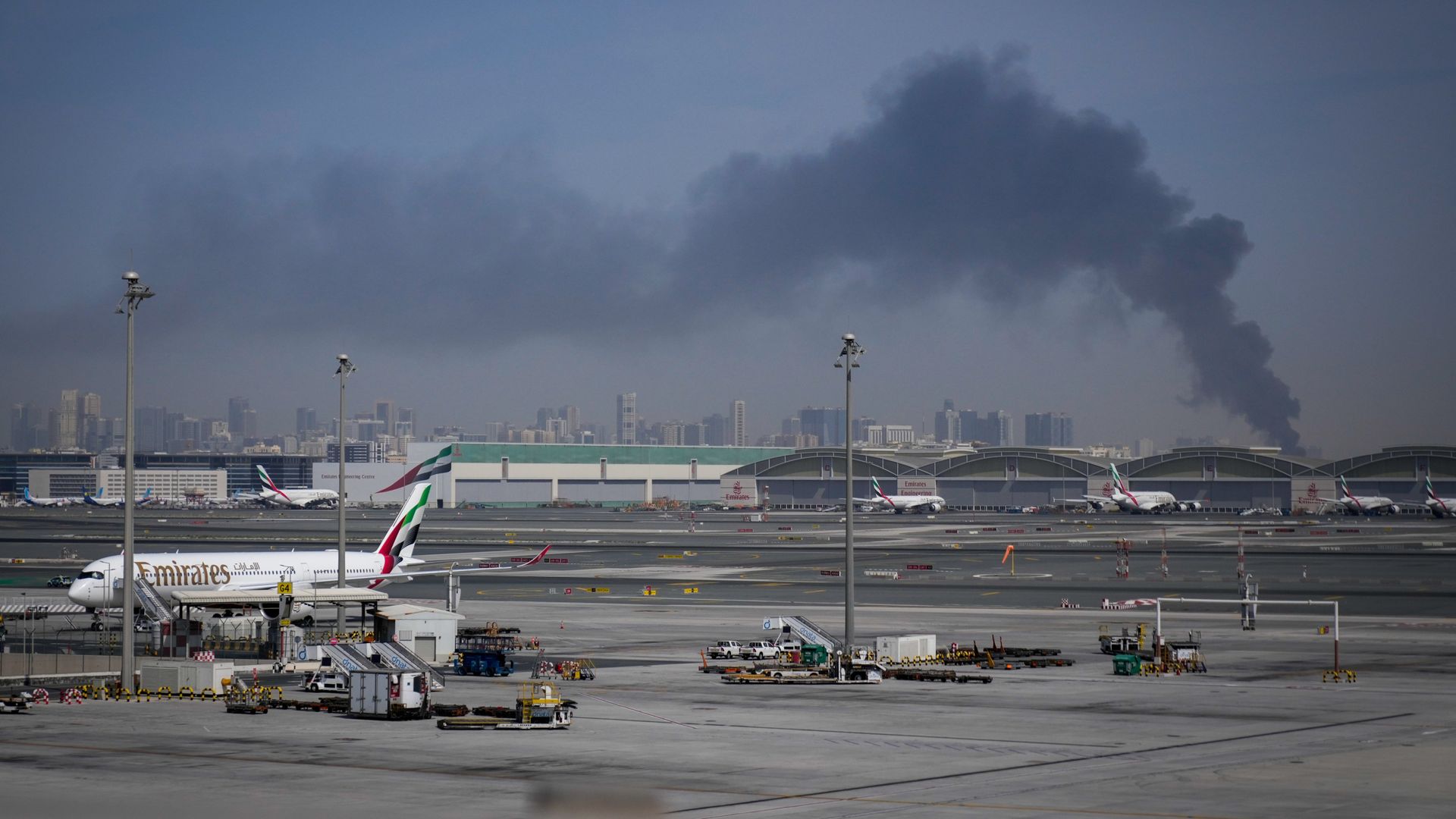
You’re sitting at the gate, espresso in hand, ready to board a long-haul flight to Doha, and suddenly the departures board flips to "Cancelled." It’s a nightmare. Recent disruptions involving Qatar Airways and the sudden closure of Qatari airspace have left thousands of passengers stranded and wondering what on earth is happening in the skies. This isn't just a minor technical glitch or a bit of bad weather. When a national carrier like Qatar Airways pulls its planes off the tarmac, it’s usually because the geopolitical situation has become too risky for a multi-million dollar aircraft—and the lives inside it.
The reality is that airspace closures are the ultimate "stop" sign in the aviation world. If the sky above a country is deemed unsafe due to military activity or diplomatic fallout, airlines don’t have a choice. They have to pivot. For Qatar Airways, which operates out of the massive Hamad International Airport (HIA) hub, any restriction on where they can fly creates a massive bottleneck. It’s a logistical puzzle that affects everything from fuel costs to crew schedules.
The ripple effect of sudden airspace restrictions
Aviation is a game of thin margins and precise timing. When Qatari airspace faces pressure or closure, the "hub and spoke" model that Qatar Airways perfected starts to crumble. Think of it like a highway detour. If the main bridge is out, everyone has to take the narrow backroads. This adds hours to flight times. It burns through thousands of extra gallons of jet fuel. It means pilots hit their legal flying limits before they even reach their destination.
Most people don't realize that Qatar Airways relies heavily on "fifth freedom" rights and transit traffic. Roughly 80% of their passengers aren't staying in Doha; they’re just passing through. When flights are suspended, the backlog at Hamad International becomes a literal sea of frustrated travelers. This isn't just about one flight from London to Doha. It’s about the connecting flight to Bangkok, the return leg to New York, and the cargo shipment of electronics stuck in the belly of the plane.
Security concerns and the safety first mandate
Why would they actually stop flying? It’s simple. Risk. No airline CEO wants to be the one who ignored a warning from a civil aviation authority. We’ve seen what happens when civilian planes fly through active conflict zones or contested airspace. It’s catastrophic.
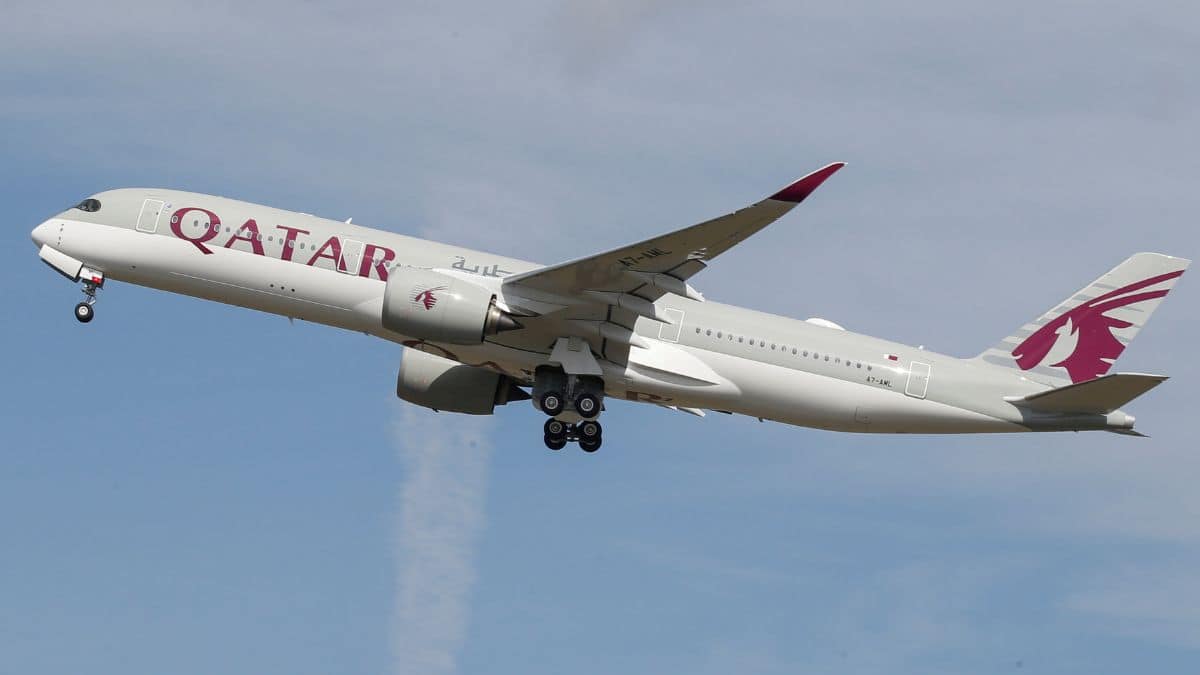
The decision to suspend flights is usually triggered by a Notice to Air Missions (NOTAM). This is a formal alert issued by aviation authorities. If a NOTAM says the sky is closed, the insurance companies for these airlines basically say, "If you fly there, you’re on your own." No insurance means no flight. It’s a hard line. Qatar Airways has one of the youngest fleets in the sky, and they aren't going to gamble with their A350s or Boeing 787s.
Navigating the chaos when your flight disappears
If you're caught in this, you need to be aggressive. Don't just sit there waiting for an automated email that might never come. Airlines are overwhelmed during these crises. Their call centers have wait times that stretch into hours.
First, check the flight status on the official Qatar Airways app. It’s usually updated faster than the airport screens. Second, look at your rights under regulations like EU 261 if you're flying from Europe. Even if the closure is "extraordinary circumstances" (which usually means no cash compensation), the airline still has a duty of care. They owe you meals, communication, and a hotel room if you’re stuck overnight.
I’ve seen travelers lose their cool and scream at gate agents. Don't do that. It gets you nowhere. Instead, ask for a "re-route on a partner airline." Qatar Airways is part of the Oneworld alliance. This means they can, in theory, put you on a British Airways or American Airlines flight if there’s a way around the restricted zone.
The hidden cost of avoiding certain skies
When airspace closes, planes have to fly "the long way." This isn't just annoying for you; it’s a financial hit for the carrier. Avoiding Qatari airspace or nearby restricted zones might mean flying over Saudi Arabia or Iran, depending on current diplomatic clearances. Each of these countries charges "overflight fees." You’re paying for the right to use their sky.
If a flight from Doha to London usually takes seven hours but now has to take nine because of a detour, that’s two extra hours of engine wear, fuel burn, and staff wages. Over a week of suspensions or reroutes, we’re talking about tens of millions of dollars in lost revenue and added expenses. This is why Qatar Airways is so quick to react—they have to minimize the bleeding.
What to do if you have a booking right now
If you have a flight coming up in the next 48 to 72 hours and the news is screaming about airspace closures, you have to be proactive.
- Download the airline app. Enable push notifications. This is your lifeline.
- Verify your contact info. Ensure your phone number and email are correct in the "Manage Booking" section. If they can't find you, they can't help you.
- Check travel insurance. Look for "trip interruption" or "cancel for any reason" clauses. Standard insurance often excludes acts of war or civil unrest, so read the fine print.
- Look for alternative hubs. If Doha is the problem, see if you can change your transit point to Dubai (DXB) or Istanbul (IST) via a partner airline.
The situation in the Middle East is fluid. Airspace can open and close in the span of a few hours. Qatar Airways has a massive team dedicated to "Integrated Operations," which basically means they have people in a room with giant screens trying to find holes in the clouds where they can safely sneak a plane through.
If your flight is suspended, the airline will generally offer a full refund or a travel voucher with a 10% or 20% bonus. Take the refund if you need to book a different airline immediately to get home. Take the voucher if you can afford to wait a few days.
Don't panic. Aviation is incredibly resilient. Even in the middle of major regional tensions, these "sky corridors" eventually find a way to function because the world’s economy depends on it. Keep your documents handy, stay near a power outlet, and keep your app refreshed. You'll get to where you're going, just maybe not on the schedule you planned.
Check your flight status right now on the Qatar Airways website using your PNR (six-digit booking code). If the status says "Scheduled," keep an eye on it every two hours. If it says "Cancelled" or "Suspended," get on the phone or use the live chat feature immediately to secure a seat on the next available departure before the rest of the 300 people on your flight do the same.