Silence. That is the first thing you notice when a radar screen goes quiet before it should.
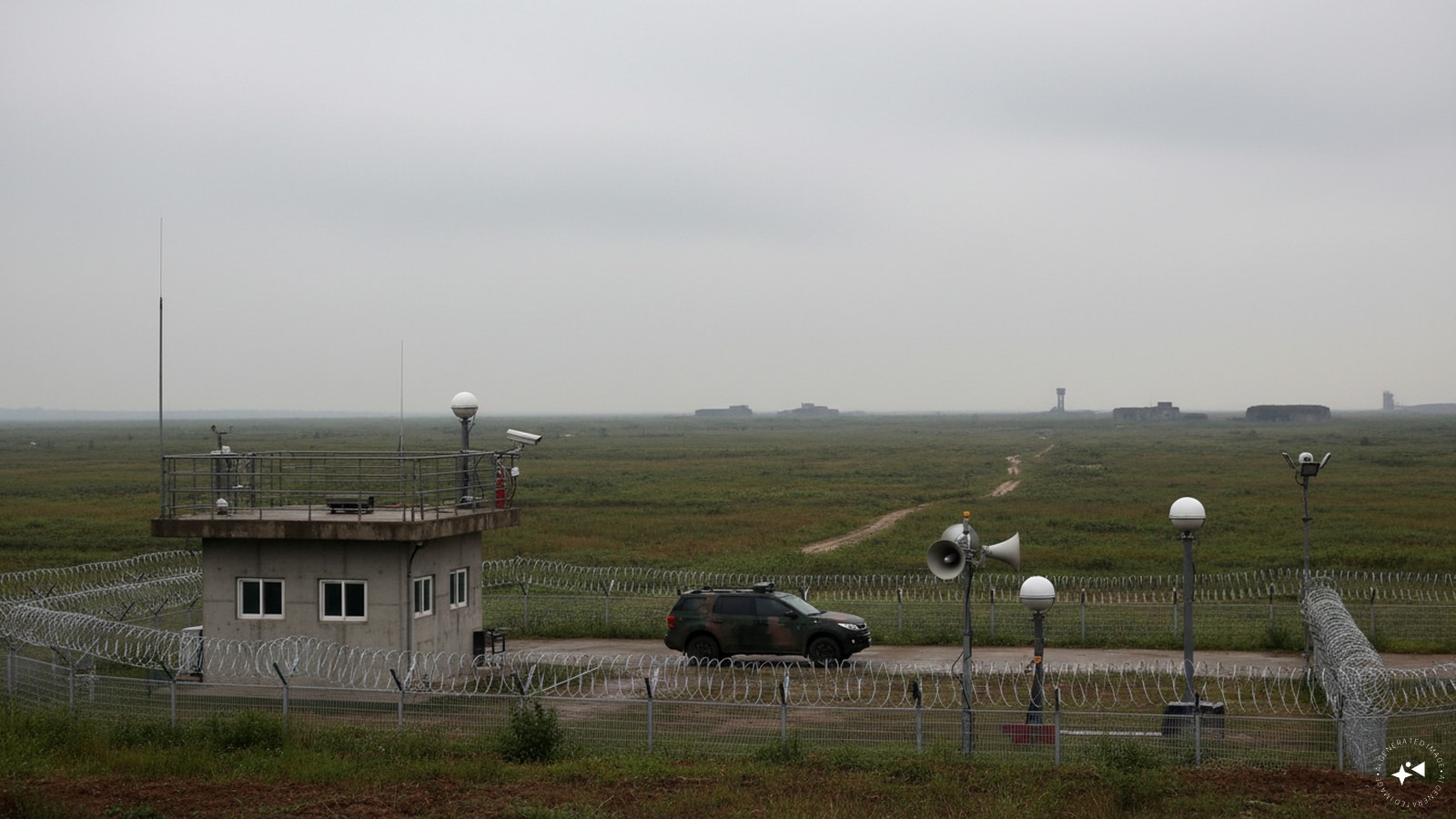
In a concrete basement far from the glass towers of Washington and the gilded halls of Mar-a-Lago, an interceptor battery sits on standby. Its launcher tubes point toward a dark sky where cruise missiles and drones have learned to follow riverbeds like thieves using alleys. A technician watches a green line crawl across a monitor. Every few minutes, a phone rings with logistics that sound mundane until you translate them into metal and altitude: crate serial numbers, flight manifests, customs clearances, hold orders.
When Kyiv says American air-defense missiles are being held up, people outside the war zone often picture a warehouse door slamming shut on camera. Real life is quieter. A shipment stalls on a tarmac. A replenishment order waits for a signature that never arrives on Friday. A commander stretches an allocation across three nights instead of two because nobody can promise when the next pallet leaves the ramp.
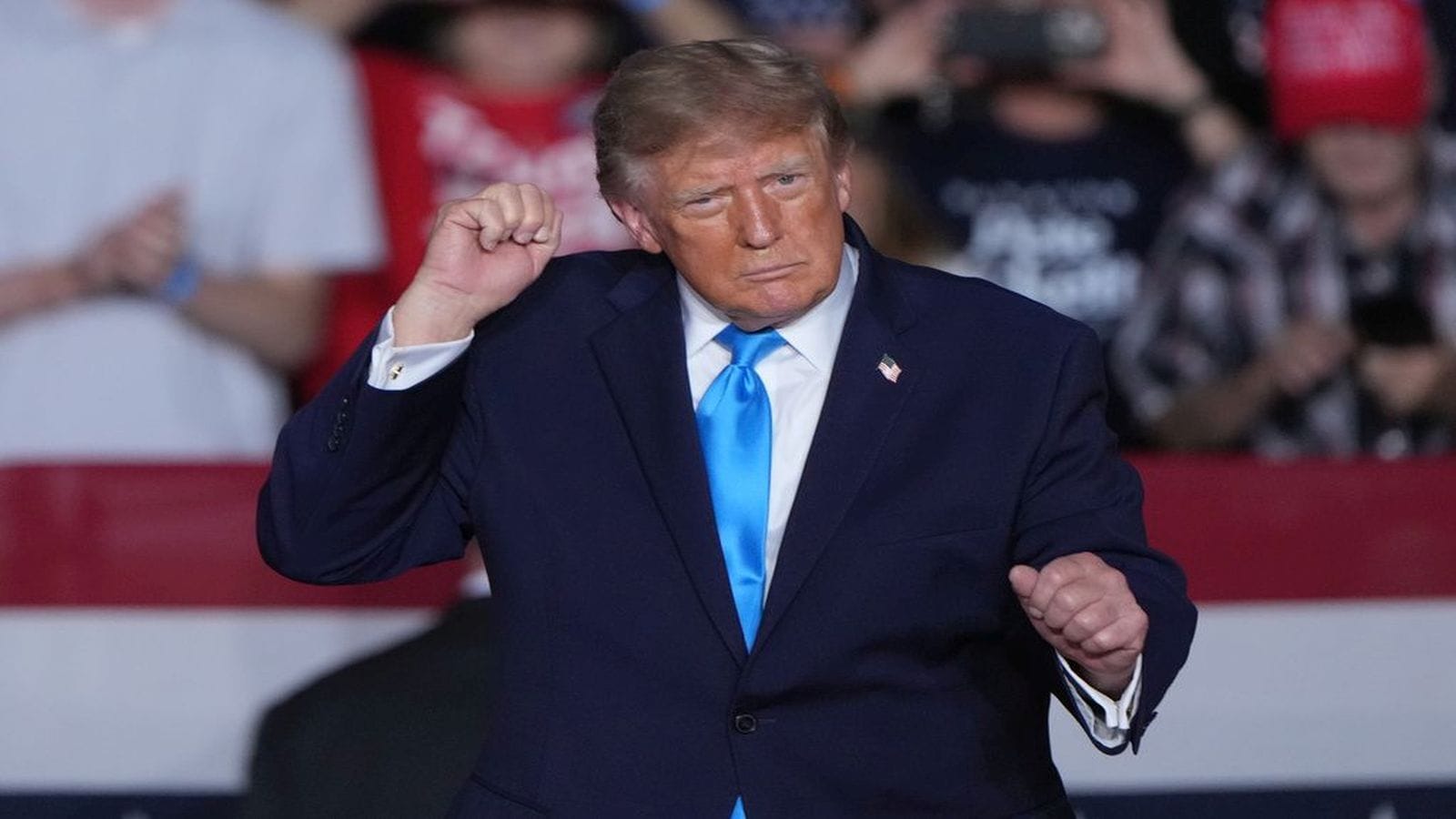
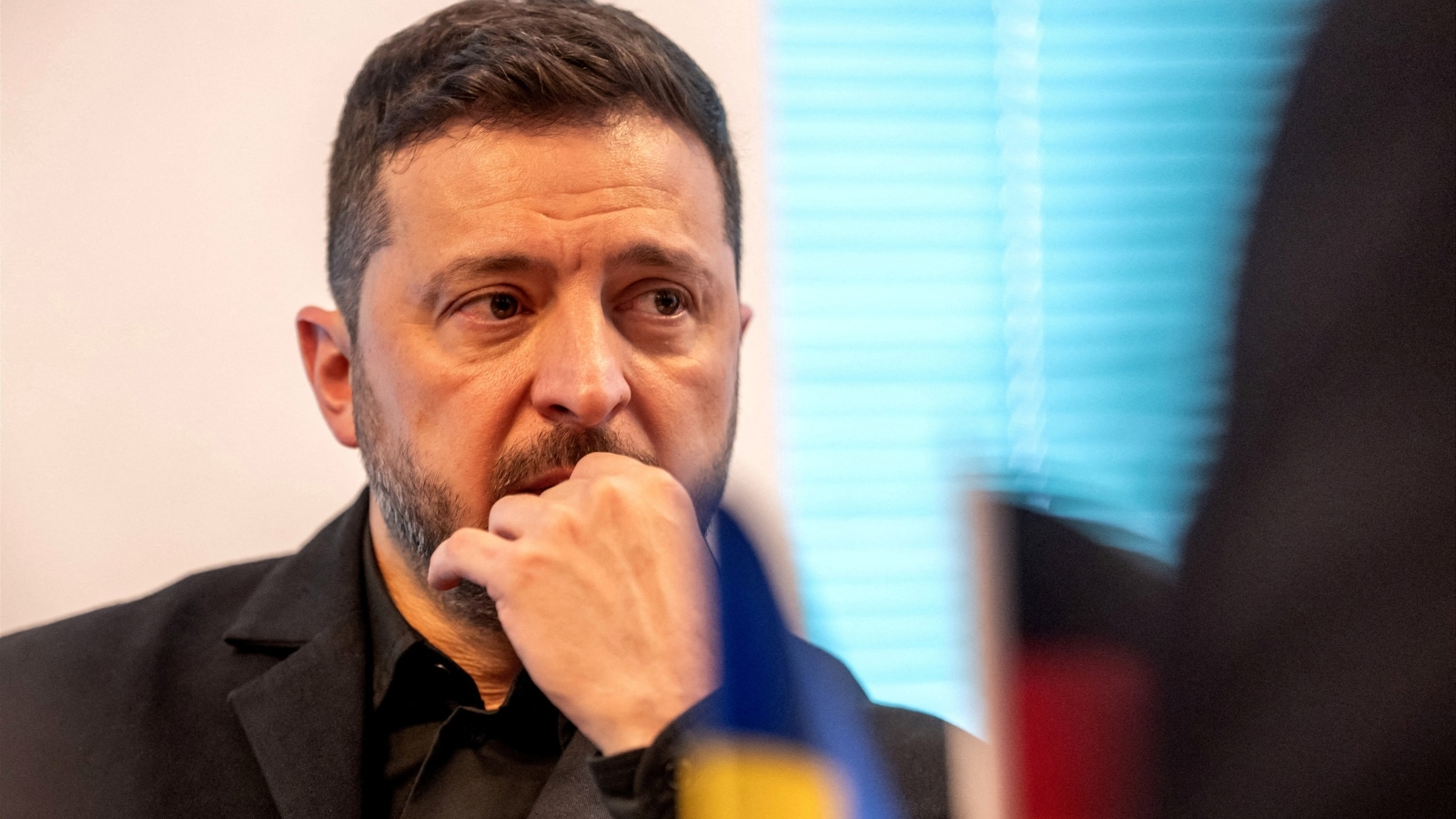
And right beside that tension sits a political shockwave: Donald Trump floating a summit without Volodymyr Zelensky.
To read that headline as mere diplomatic theater is to miss what it feels like when your house is on fire and two neighbors start discussing property lines in the front yard while you are still inside with a bucket.
I have spent enough time around conflict zones, briefing rooms, and late-night newsrooms to recognize the exact hollowness that sets in when decisions about survival move to a table where the victim has no chair. You smell cold coffee at three in the morning. You hear the hum of a generator trying to keep a router alive. You watch people who have memorized every siren code in their district try to read a two-hundred-character social media post for clues about whether their winter will be dark or lit.
Confusing? Yes. Terrifying? Often. Anyone who claims they can read every hidden motive inside a high-stakes geopolitical pivot is selling certainty they do not own. What we can trace with clarity are the mechanics of leverage, the weight of delayed munitions, and the human cost of negotiating a war over the head of the country fighting it.
The Architecture of a Hold
Air defense sounds abstract on television. It looks like streaks of light in night-vision footage—brief sparks against black velvet. On the ground, it is arithmetic with zero margin for error.
Every Patriot interceptor or specialized missile saved for a power station or an apartment block is one less round available for the next wave. When Ukraine alleges a US missile holdup, the dispute is rarely about a single box sitting forgotten in a corner. It is about pacing. Modern warfare burns ammunition at industrial speeds while defense manufacturing moves at human speeds, filtered through executive approvals, congressional notifications, and strategic calculations.
Think of it like keeping a leaky roof patched during a hailstorm while the hardware store rations shingles. If you get ten shingles today and ten next week, you ration them for the rooms above the cribs and the hospital wards. If the next delivery is delayed without warning, you start pulling shingles off the hallway to cover the bedroom.
Consider what happens next: a delayed shipment does not just slow down interceptors; it changes how defenders think. Operators hesitate before firing at decoys. Commanders pull air-defense units closer to high-value cities, leaving frontline trenches more exposed to glide bombs and reconnaissance drones. Every day of uncertainty forces a grim triage.
To make that triage concrete, let us step into a hypothetical scenario—explicitly a composite illustration rather than a single documented event, though built from real operational constraints. Picture "Olena," a logistics coordinator in central Ukraine whose job is matching incoming interceptor stock with regional threats. At dawn, she has a schedule built around promised resupply windows. By noon, a delay notice alters the math. She does not get a dramatic speech from Washington explaining grand strategy. She gets a revised spreadsheet and a tighter ceiling on what can be protected tonight.
That is the hidden stake behind every allegation of a munitions bottleneck. Diplomacy moves on cables and press briefings; air defense moves on fuse timings and flight paths.
Why a Summit Without Kyiv Changes the Room
Diplomacy has a long memory, and much of it is bitter.
Historically, great powers have frequently gathered to settle spheres of influence, draw lines on maps, or test whether a conflict can be frozen before exhausting everyone involved. Sometimes those summits produced temporary calm. Often, they simply deferred the next explosion while leaving smaller nations to pay the bill in territory and sovereignty.
When Trump floats a summit without Zelensky, the proposal immediately splits the room into rival logics.
One argument frames it as hard-nosed realism. Proponents of direct big-power talks argue that endless attrition drains treasuries, strains alliances, and risks escalation that neither Moscow nor Washington wants to spiral out of control. In that view, getting the heaviest hitters in the same room—even bypassing intermediate voices at first—is a way to test what deal is actually possible.
The counterargument cuts straight to legitimacy and durability. A settlement reached without the country whose cities are being hit and whose soldiers are dying starts on shaky ground. If Kyiv is excluded from the room where its borders, security guarantees, or terms of survival are discussed, Ukrainians see not peacemaking, but a transaction conducted with their future as collateral.
And when a rumored summit overlaps with claims of a US missile holdup, the two stories lock together like gears. Even if officials insist weapons transfers and diplomatic outreach run on separate tracks, people on the receiving end read them as a single signal. If the interceptors slow down at the exact moment talks without Kyiv are floated, leverage shifts before a single word is spoken across a negotiation table.
That is why headlines about diplomatic formats land like gut punches rather than policy trivia. A summit is never just a venue. It is a statement about who counts as a principal actor and who is treated as a variable.
Leverage, Fatigue, and the War of Nerves
War is a contest of endurance long before it is a contest of parades.
By now, fatigue is everywhere—in exhausted battalions rotating out of muddy positions, in European capitals counting energy costs and defense budgets, and in American voters wondering how long external crises will command center stage. Pretending that fatigue does not exist only makes bad analysis. Exhaustion shapes every political calculation.
Yet fatigue cuts both ways. In Ukraine, exhaustion is measured in lost friends, displaced families, and rolling blackouts; it rarely produces a desire to surrender sovereignty under pressure. In Washington, debates over aid and diplomacy reflect competing theories of American interest—whether strength means standing firmly behind a partner resisting aggression or cutting losses and seeking a faster off-ramp.
Here lies a trap that catches even seasoned observers: mistaking motion for resolution. A summit announcement creates drama. A delayed missile shipment creates pressure. Neither automatically creates a durable peace.
Look at how pressure works in high-stakes bargaining. If one side believes its partner's supplies are uncertain and its diplomatic standing is fragile, the incentive to wait out concessions grows. Conversely, if Kyiv feels pushed toward an unfavorable arrangement while its air defenses are stretched thin, trust with key backers frays at the exact moment unity matters most.
Let us use another metaphor, plainly labeled as such: imagine two players sitting down to arm-wrestle while one player's chair leg has been quietly sawed halfway through. Observers watching from the balcony might say, "Look, they're finally talking across the table." The person in the weakened chair knows the geometry of the room is already rigged.
Even in the United States, the debate is not monolithic. Friction often exists between immediate tactical impulses, long-term deterrence goals, and bureaucratic execution. Sometimes a holdup stems from deliberate political leverage; sometimes from supply-chain bottlenecks, risk assessments over specific systems, or disagreements over conditions attached to aid. Sorting out intent from friction is notoriously hard in real time, especially when public statements are used as bargaining chips.
The Invisible Stakes for Everyone Watching
Why should someone thousands of miles away—in Mumbai, London, São Paulo, or Ohio—care whether an air-defense shipment hits a snag or whether a summit leaves out a president?
Because modern conflicts do not stay neatly inside their borders.
Energy markets twitch when infrastructure is struck. Grain and commodity routes feel every shift in maritime and overland security. Defense industrial bases worldwide feel the strain when stockpiles are drawn down faster than factories can replenish them. More fundamentally, the precedent set when a sovereign nation is sidelined in talks over its own fate echoes far beyond Eastern Europe. Any country facing a larger, more aggressive neighbor watches closely to see whether international commitments hold firm when pressure mounts or bend when convenience calls.
There is also a quieter, more personal stake: how we tell stories about power.
It is easy to treat leaders like chess pieces and nations like counters on a board. Doing so makes commentary sound detached and clever. It also erases the fact that every delay in an interceptor missile corresponds to real families huddled in hallways listening for drones, and every diplomatic maneuver reshapes lives that cannot simply be reset if a gamble goes wrong.
We do not have to guess at the complexity to take it seriously. Uncertainty is part of the terrain. What matters is keeping our eyes on the levers actually being pulled: who has air cover, who has a seat at the table, and what happens to trust when expediency takes the wheel.
A siren wails somewhere in the dark, and somewhere else a microphone is adjusted before a camera turns on—one sound piercing the night over a real city, the other echoing through a room where the future is being argued line by line.