Spring rain falls differently when you know a life ended beneath its chill. On a grey April afternoon, a high school track meet in Frisco, Texas, turned into a permanent scar. A seating dispute under a shared tent, a flash of teenage friction, a pocketknife drawn in panic or aggression, and suddenly seventeen-year-old Austin Metcalf was gone.
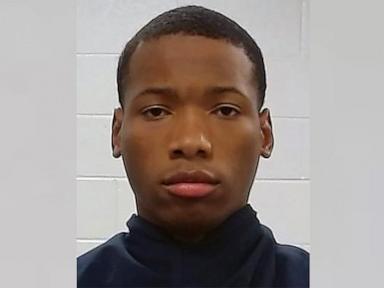
Months later, nineteen-year-old Karmelo Anthony sat in a Collin County courtroom wrapped in a green inmate jumpsuit, his ankles shackled. He had already been handed a thirty-five-year prison sentence by a jury that rejected his claims of self-defense. The verdict was stamped, the door seemingly locked. But the law contains mechanisms for second looks, and the machinery of justice rarely moves quietly.
Consider what happened next.
The defense team looked closely at the conduct of the trial itself, hunting for the structural fractures that can invalidate a verdict. They found an unexpected opening not in the courtroom transcripts, but on a television screen. Two days after the jury sealed Anthony's fate, State District Judge John Roach Jr. sat for an eighteen-minute broadcast interview. When asked if the jury got the verdict right, the judge did not hesitate. Yes, he said. They did.
For an appellant fighting for a fresh start, those words were dynamite.
A judge must remain an empty vessel until the very last drop of litigation dries. When a presiding magistrate publicly validates a guilty verdict while post-trial motions are still alive, the appearance of absolute neutrality begins to crack. Anthony's attorneys moved to recuse him, arguing that a fair observer could never look at that television appearance and believe the playing field remained level.
Enter Visiting Judge Sid Harle. Tasked with deciding whether the trial judge had crossed an invisible boundary, Harle listened to the arguments, watched the recorded interview play out in court, and made his ruling. The recusal was granted.
Justice requires the cold appearance of fairness just as much as its warm reality. Judge Roach was removed from the post-conviction proceedings. Retired Judge Michael B. Chitty was appointed to take the reins.
The stakes shifted instantly.
Outside the courthouse, the atmosphere hummed with raw electricity. Families on both sides carried the heavy, unyielding grief of a shattered community. Crowds gathered, police lines tightened, and the invisible fault lines of race, youth, and tragedy strained against public pressure. Inside, the legal battle narrowed to the core question of whether Anthony was unfairly boxed into a corner during his initial trial, pointing to disputes over testimony agreements and courtroom boundaries.
The hearing for a new trial stands before a fresh judge, stripped of old allegiances and prior commentary. Whether the past can be legally undone remains to be seen. But the slate, for today at least, has been wiped clean by the stroke of an outside pen.
The gavel drops.