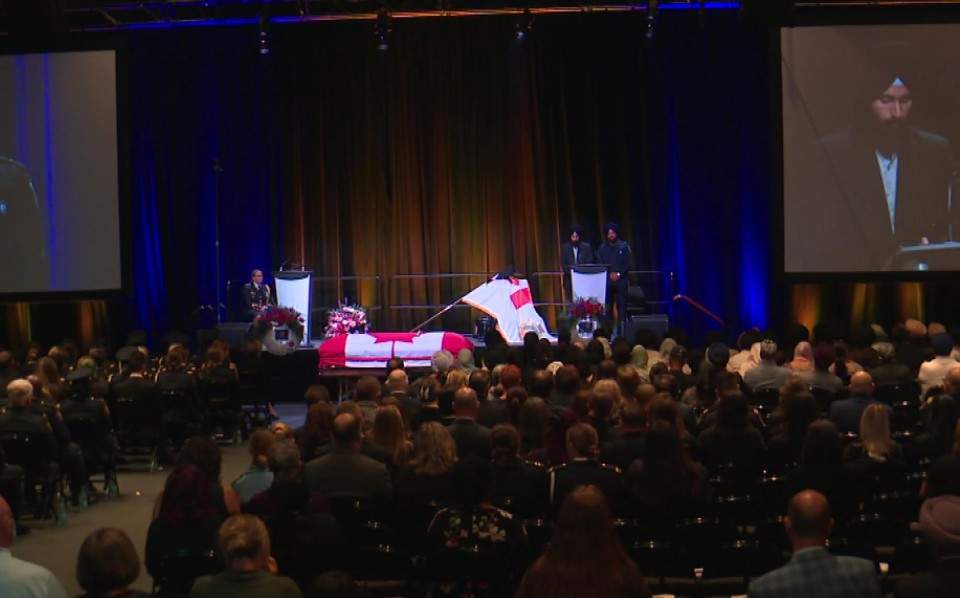
Hundreds of first responders, family members, and grieving colleagues gathered in Edmonton to mourn 25-year-old correctional officer Ramandeep Kaur Maan, killed alongside veteran officer Nicolae Serban and inmate Kiara Mooswa in a devastating highway crash on August 6. The collision, which occurred at the rural intersection of Highway 13 and Highway 41 in eastern Alberta when a Correctional Service of Canada minivan collided with a box truck, brought an outpouring of grief from across the country. Yet beneath the somber notes of the regimental funerals lies an uncomfortable institutional reality that demands scrutiny.
The High Cost of Routine Logistics
Transporting individuals in state custody across Canada's vast, unforgiving rural highways is an everyday administrative task that carries immense, understated danger. Maan had only been working at the Edmonton Institution for Women for a short time after moving from Manitoba, having originally arrived in Canada as an international student from Punjab with aspirations of building a stable future and supporting her family. Reports indicate she was not even originally scheduled to work on the day of the fatal transfer, stepping in for operational needs that highlight the chronic understaffing and tight scheduling plaguing provincial and federal correctional facilities alike.
When a state transport vehicle hits a highway intersection on a crisp morning, the margin for error is razor-thin. Rural intersections flanked by open fields across the Canadian prairies present unique visibility and traffic hazards, particularly for heavy commercial trucks and government vans logging thousands of kilometers annually. Safety advocates and correctional union representatives have long pointed out that administrative pressures often force staff into grueling transit schedules, moving inmates between distant institutions and healing lodges under sub-optimal conditions.
Balancing Custody and Duty of Care
The tragedy also brought into sharp focus the multi-layered vulnerability inherent in institutional transfers. Alongside Maan and the 57-year-old Serban, 24-year-old inmate Kiara Mooswa lost her life. Advocacy groups, including the Institute for the Advancement of Aboriginal Women, emphasized that the state carries an absolute duty of care for every soul inside those transport vehicles, regardless of their legal status.
A justice system operating at maximum capacity is frequently forced to balance public security mandates with logistical realities that span hundreds of kilometers of isolated asphalt. Corrections officials have promised internal investigations, but structural changes to how and when high-risk or routine transfers occur are rarely addressed until lives are lost.
The Human Toll Behind the Uniform
For the immigrant community in Canada and her relatives back in Ludhiana, Maan represented the pinnacle of perseverance. Her brother remembered her at the service as a fierce protector who dreamed of lifting her family out of financial hardship. Colleagues noted her infectious enthusiasm for a career in public safety that she believed offered genuine honor and community connection.
As the bagpipes fade and standard patrols resume across Alberta's highways, the systemic vulnerabilities of institutional logistics remain unchanged. The flags outside correctional facilities fly at half-staff, but the perilous miles between regional lockups and remote facilities stretch on, waiting for the next shift to punch the clock.