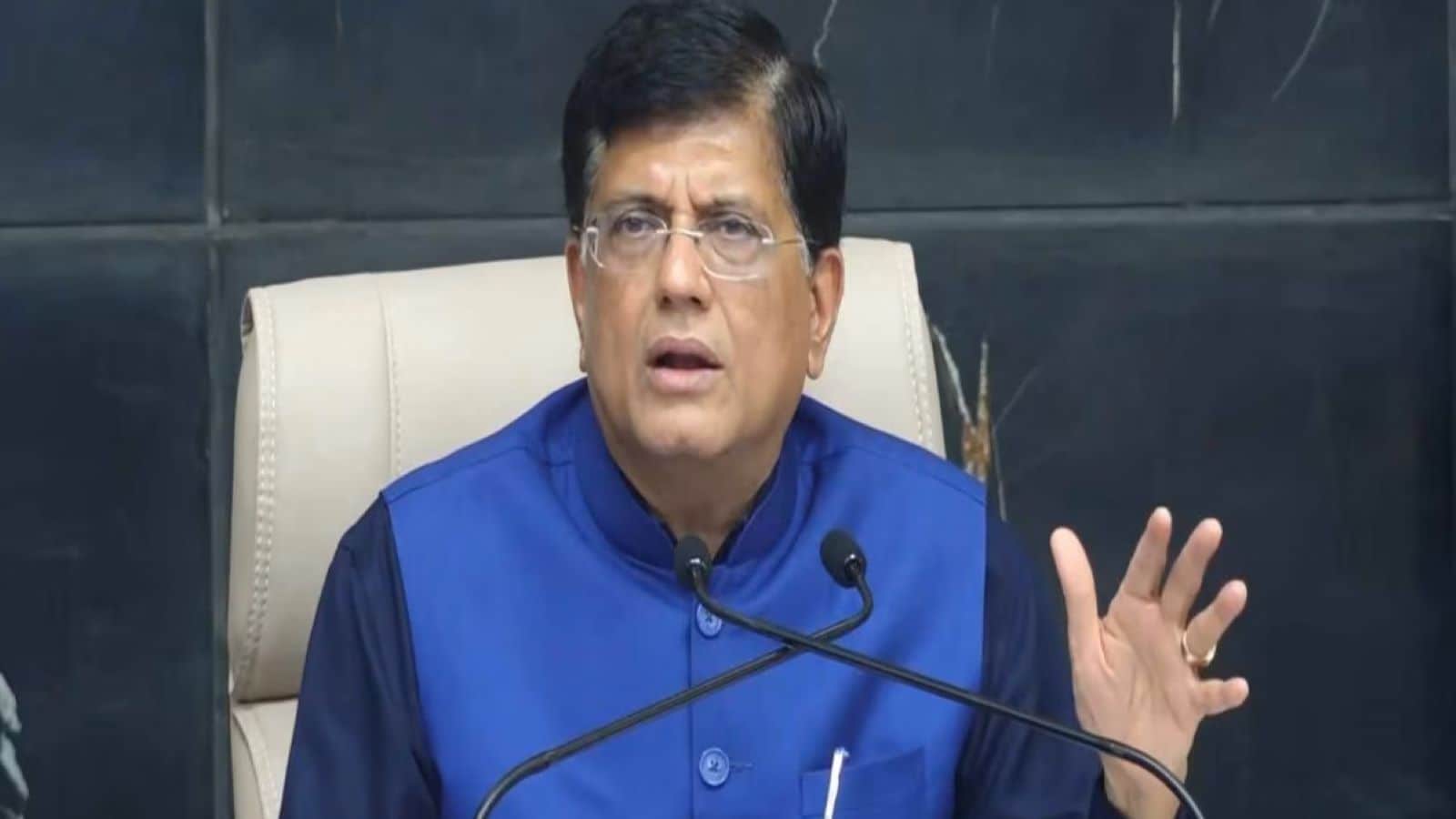
India will officially implement its Comprehensive Economic and Trade Agreement with the United Kingdom on July 15, 2026, marking what New Delhi hails as its most expansive bilateral deal to date. Commerce Minister Piyush Goyal, arriving in London this week to lock down the operational mechanics, has spent years pitching this pact as a structural triumph that will push bilateral trade toward a targeted 120 billion dollars by 2030. Yet behind the political handshakes and the celebratory rhetoric lies a complex web of hard concessions, domestic political friction, and sudden regulatory disputes that reveal the true cost of doing business in the post-Brexit world.
For New Delhi, this pact is not just an agreement. It is a critical litmus test for India's modern trade strategy, shifting away from historical protectionism toward aggressive integration with Western economies. But an investigation into the final text and the frantic, last-minute diplomacy in London shows that the gains come with significant vulnerabilities for both sides. You might also find this similar story useful: Why Destroying the De Minimis Exemption Will Actually Save Retail.
The Scotch and Steel Standoff
The negotiations, which spanned multiple political regimes in London and a general election in India, nearly collapsed several times over a few stubborn sectors. British negotiators focused heavily on lowering India's famously restrictive 150% tariff on Scotch whisky and the 100% duty on imported automobiles.
While New Delhi eventually conceded a phased reduction of these tariffs, the domestic political backlash within India's local manufacturing circles was immediate. Indian distillers argue that the influx of cheaper British spirits will undercut homegrown brands, while domestic automakers fear a surge in premium British vehicle imports. As highlighted in detailed articles by CNBC, the effects are notable.
In return, India demanded sweeping tariff liberalisation on 90% of its exports to the UK, aiming to inject life into its labor-intensive textiles, footwear, and leather industries. However, even as the July implementation date approaches, a major dispute over steel trade measures threatens to sour the rollout.
Indian officials have expressed severe reservations regarding upcoming British carbon border mechanisms and steel quotas, which New Delhi claims could nullify the tariff benefits won at the negotiating table. British Trade Secretary Peter Kyle has downplayed the friction, insisting the deal itself will not be reopened, but the dispute highlights a fundamental reality. Lowering a tariff on paper matters very little if non-tariff regulatory barriers are erected immediately afterward.
The Human Capital Calculation
No issue was more toxic during the four years of back-and-forth talks than the mobility of Indian professionals. New Delhi entered the room demanding substantial visa concessions for its vast IT, engineering, and healthcare workforce.
To secure the deal, London ultimately agreed to a streamlined framework for professional mobility. The center of this compromise is the newly minted Double Contribution Convention, designed to eliminate dual social security payments for temporary Indian workers operating in Britain. Under the previous regime, Indian companies sent engineers to the UK on short-term projects, forced to pay into both the Indian provident fund and British National Insurance, despite those workers never staying long enough to collect British benefits.
Removing this dual taxation saves Indian tech conglomerates millions annually. But the concession has ignited a fierce political firestorm within the UK. Right-wing factions and labor groups have targeted the exemption, claiming it gives Indian outsourcing firms an unfair pricing advantage over local British tech talent by artificially lowering employment costs.
To pacify domestic voters, British negotiators forced India to significantly water down its original demands regarding long-term residency and independent visa pathways. What remains is a highly monitored, strictly temporary corporate transfer mechanism rather than the open talent corridor New Delhi initially envisioned.
The Services Illusion
While the reduction of agricultural and industrial tariffs forms the visible framework of the agreement, the real economic battleground is the services sector. The UK economy is roughly 80% services, driven by London's financial engine, legal services, and high-end consultancy firms.
Under the new pact, British firms are promised equal treatment to domestic companies inside the Indian market. This looks like a monumental win for British banking giants, insurance firms, and international law firms looking to establish a permanent footprint in Mumbai and Bengaluru.
 BIASED TARIFTS VS. LIBERALISED REALITY
+-----------------------+-----------------------+
| Historical Tariffs    | New FTA Framework     |
+-----------------------+-----------------------+
| UK Whisky: 150%       | Phased Reductions     |
| UK Cars: 100%         | Phased Reductions     |
| Indian Textiles: High | 99% UK Tariff Free    |
| Professional Visas    | Monitored Corporate   |
|                       | Transfer Mechanism    |
+-----------------------+-----------------------+
Yet, experienced corporate analysts know that India's regulatory environment is notoriously dense and localized. Securing equal treatment under a trade treaty does not automatically dissolve the bureaucratic maze of state-level clearances, local data localization mandates, and strict capital control regulations managed by the Reserve Bank of India. British firms entering the sub-continent will find that the elimination of a border tariff is merely the first step in a very long, highly litigious operational journey.
A Blueprint for the Global South
For Piyush Goyal and the administration in New Delhi, the deal serves an overarching geopolitical purpose that extends far beyond immediate GDP calculations. For decades, India was viewed by Western trade offices as an obstructionist negotiator, famous for walking away from multilateral agreements like the Regional Comprehensive Economic Partnership over fears of dumping.
By executing a highly detailed, deeply comprehensive pact with a G7 economy, India is signaling to the world that it is ready to negotiate on modern trade terms, including digital trade and intellectual property standards.
This agreement is already being used as a template for India's ongoing, highly complex trade talks with the European Union and the European Free Trade Association. New Delhi has demonstrated that it is willing to open up historically protected domestic sectors if Western nations are willing to bargain on professional mobility and industrial market access.
It is a high-stakes strategy. By tying its economic fortunes to Western supply chains, India is betting that its domestic industries have matured enough to withstand direct foreign competition. Whether this calculation pays off depends entirely on how effectively Indian industries navigate the sudden influx of British capital and high-end products starting this July.