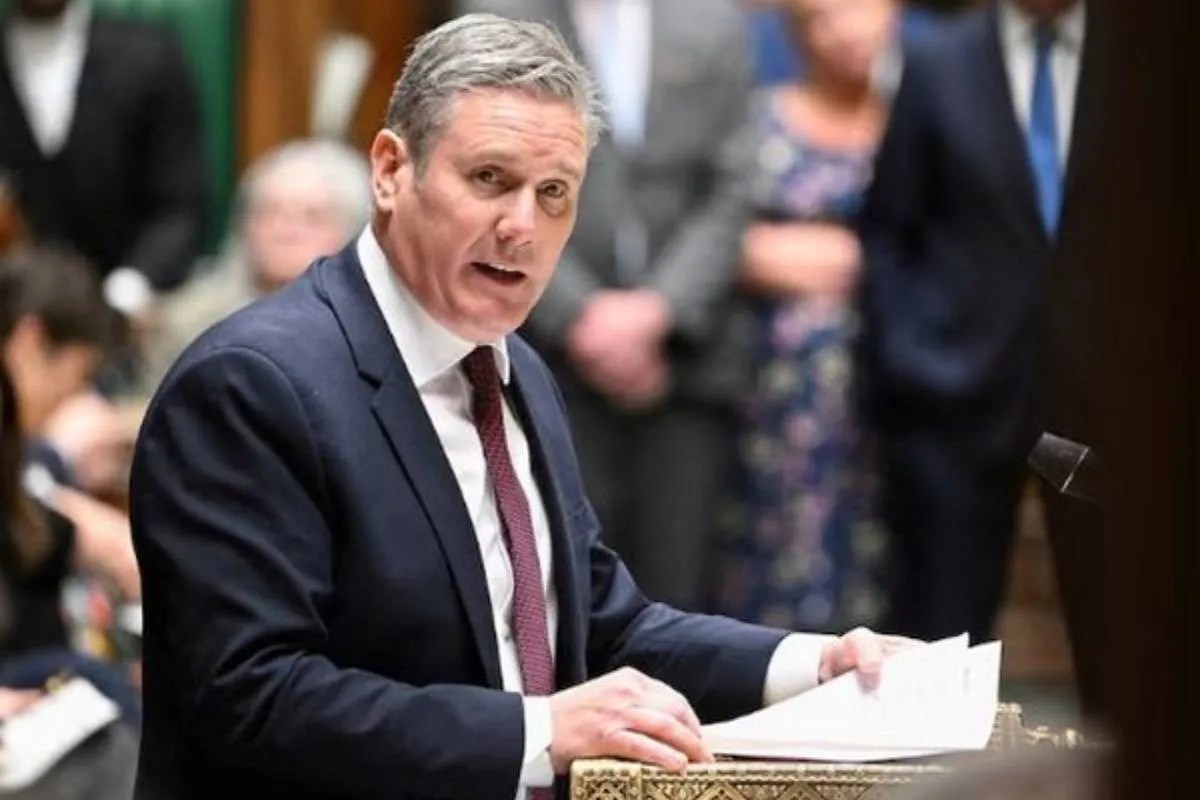
Britain is about to appoint its seventh prime minister in ten years following the sudden resignation of Keir Starmer on June 22, 2026. The swift downfall of a leader who secured a historic 412-seat parliamentary landslide less than two years ago has stunned international observers, but to anyone watching Westminster from the inside, the collapse was entirely predictable. Starmer succumbed to a coordinated rebellion from his own lawmakers after a disastrous string of local election defeats and an unrelenting threat from Nigel Farage’s Reform UK. The immediate primary question of who will take over is already largely settled. Greater Manchester Mayor Andy Burnham, having just engineered a dramatic return to Parliament via the Makerfield by-election, is the overwhelming favorite to assume power in an orderly transition by mid-July.
The deeper crisis, however, is not about the identity of the next occupant of 10 Downing Street. It is about a structural rot within British governance that makes the office itself increasingly un-governable.
The Myth of the Landslide
When the Labour Party swept to victory in July 2024, commentators mistook a shallow pool for a deep ocean. The electoral system handed Starmer a massive majority on just 34 percent of the popular vote, a historical anomaly driven entirely by the collapse of the Conservative Party rather than genuine public enthusiasm.
The public did not vote for a vision. They voted for a vacancy.
When the Starmer administration immediately ran into fiscal reality, its vulnerability became clear. Unpopular decisions to restrict winter fuel payments and enforce stringent welfare spending limits triggered a rapid slide in public approval. Local government elections earlier this year confirmed that the electorate was ready to punish the government at the first opportunity. In British politics, a large majority provides safety only if your backbenchers believe you can win them the next election. The moment poll numbers suggested that Reform UK was eating into traditional working-class strongholds, the parliamentary party panicked.
The King of the North Claims the Crown
The mechanism of Starmer's exit was a calculated internal coup masquerading as a democratic transition. Andy Burnham, who built a highly visible power base during his nine years as Mayor of Greater Manchester, bypassed the traditional Westminster route by forcing a strategic by-election in the safe seat of Makerfield.
His victory there last week was the final blow. Burnham successfully positioned his distinct brand of municipal regionalism as the antidote to a remote, technocratic London executive.
The expected coronation of Burnham is a calculated gamble by a terrified party. Health Secretary Wes Streeting, previously considered the champion of the party's right wing, immediately withdrew his potential candidacy to back Burnham, signaling that the cabinet preferred an immediate settlement over a bloody, protracted civil war. Deputy Prime Minister Angela Rayner, who retains massive support among the party's traditional rank-and-file, has opted to play the role of kingmaker rather than risk a divisive bid of her own.
Yet, this transition will not fix the underlying fractures. Burnham's popularity relies heavily on his outsider status. The moment he steps through the black door of Number 10, he becomes the ultimate insider, inheriting the exact same structural deficits that broke his predecessor.
The Economic Trap Awaiting the Next Leader
The next prime minister faces an economic landscape with almost no room for maneuver. The central problem is a structural growth deficit combined with soaring public sector costs and a heavily constrained tax base.
| Economic Indicator | Current Pressures | Impact on Policy |
|---|---|---|
| Public Debt | Approaching 100% of GDP | Prevents large-scale borrowing for infrastructure |
| Tax Burden | Highest sustained level since World War II | Limits room for revenue generation without alienating voters |
| Public Services | Long-term capital backlogs in the NHS and local councils | Demands immediate cash injections that the Treasury does not have |
Any attempt by Burnham to deliver on his promises of regional regeneration will instantly clash with the Treasury's fiscal rules. If he raises taxes, he risks an immediate voter backlash; if he increases borrowing, international bond markets are highly likely to react with the same volatility that destroyed Liz Truss in 2022. It is a mathematical trap.
The Reform UK Ghost in the Machine
The real driver of this leadership crisis is not sitting on the government benches. It is Nigel Farage.
Reform UK has effectively weaponized working-class resentment over public service decay and immigration. By capturing significant vote shares in previous local elections and finishing a strong second in the Makerfield by-election, Farage has established a permanent veto over government policy. Labour MPs in Northern and Midwestern seats know that any perceived policy failure makes them vulnerable to a Reform challenge at the next election.
Farage’s immediate demand for an immediate general election will be ignored by the government, as British constitutional rules allow a mid-term leadership transition without a public vote until 2029. But the pressure will be relentless. The next prime minister will be forced to govern with one eye constantly fixed on Reform's polling numbers, likely leading to more defensive, reactive policymaking.
Changing the leader does not change the structural vulnerabilities of the British state. A highly centralized system of government is trying to manage a fragmented, stagnant economy while under siege from populist insurgencies. Burnham may possess the communicative skills that Starmer lacked, but charisma cannot balance a national ledger or repair deep-seated institutional decay. The revolving door at Downing Street is not a sign of political vitality; it is the frantic ticking of a system running out of time.