The University of Hong Kong wants more space. Not a few laboratories added to a crowded Pokfulam campus, but an entirely new intellectual footprint within the sprawling 30,000-hectare Northern Metropolis development zone bordering Shenzhen. The official narrative frames this expansion as a visionary push to scale research capacity and attract global talent.
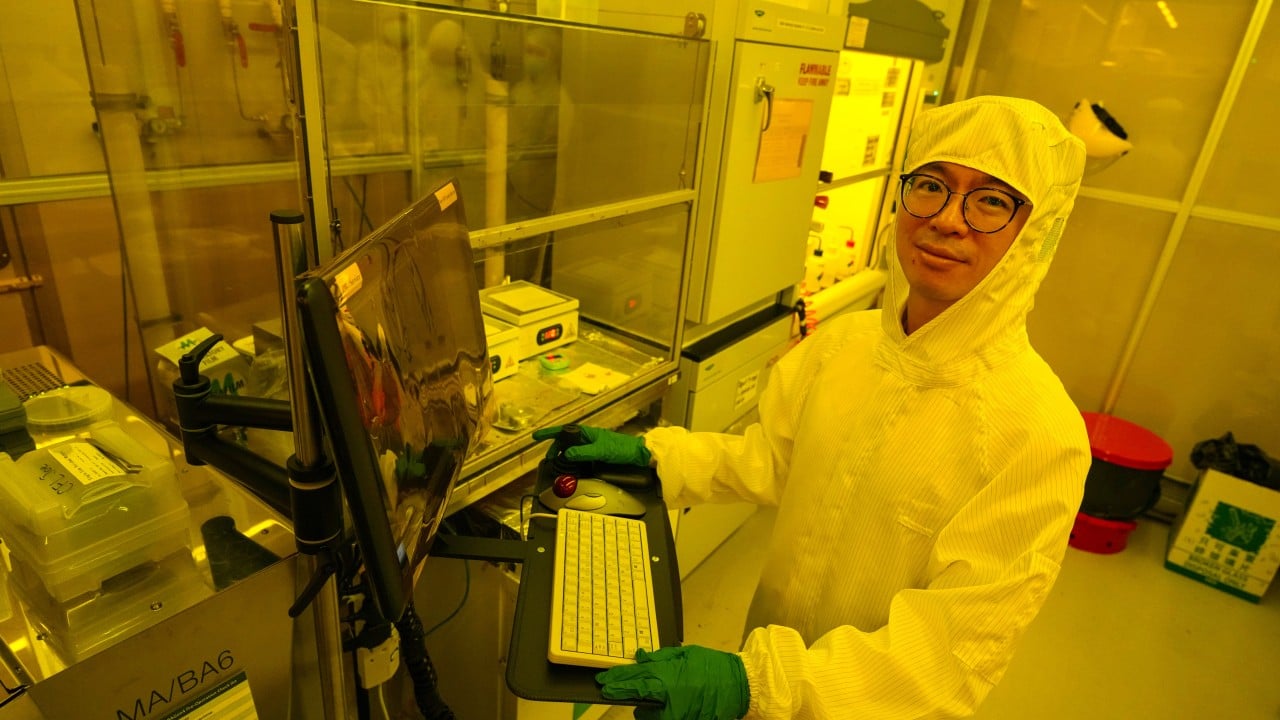
The institutional ambition is clear on paper. Real estate in core urban districts is saturated, eye-wateringly expensive, and structurally inflexible. By staking a claim in the north, HKU aims to secure the massive land parcels required for advanced biotech facilities, microelectronics cleanrooms, and high-density faculty housing. But beneath the institutional optimism lies a more complex set of institutional pressures, shifting geopolitical realties, and fierce regional competition for capital and minds. Meanwhile, you can explore related stories here: Why the Cornell Frat Rape Protests Exposed a Broken Campus System.
The Physical Ceiling of Heritage Campuses
Decades of academic output have outgrown the physical limits of traditional urban hilltop architecture. When laboratories require continuous heavy vibration-isolation slabs, specialized cryogenic storage arrays, and proximity to cross-border manufacturing partners, a heritage campus perched on steep slopes becomes a liability.
Expansion southward is impossible. The South China Sea provides a hard geographical barrier. Therefore, institutional leadership is forced to look north, aligning with the government's grand planning blueprint to shift the city's center of gravity toward the mainland border. To understand the complete picture, check out the recent article by The New York Times.
This move is not happening in a vacuum. Neighboring institutions across the boundary have spent the last ten years building hyper-modern campuses equipped with state-of-the-art infrastructure. Hong Kong's legacy universities face a stark choice: modernize their physical footprint at scale or watch top-tier international researchers migrate to better-funded, more spacious facilities across the Shenzhen river.
Navigating the Cross-Border Talent Equation
Attracting top-tier global talent requires more than prestigious institutional names. Researchers move for laboratories that work, teams that are well-funded, and housing costs that do not consume half a salary.
The Northern Metropolis pitch promises proximity to the Greater Bay Area tech ecosystem. That means direct access to hardware manufacturers, software powerhouses, and massive venture capital pools that simply do not exist in the same concentration within traditional urban districts.
Yet, recruiting international academics to an expanded northern campus presents distinct hurdles. Western scholars often weigh geopolitical frictions, data governance questions, and institutional autonomy concerns when evaluating mainland-adjacent postings. HKU must prove that a campus nestled against the Shenzhen border can maintain the academic freedom and international ethos that made its core institution a global brand in the first place.
The strategy relies on a delicate balancing act. Position the new campus as a bridge between international standards and mainland industrial muscle. If the execution stumbles, the expansion risks becoming an expensive collection of empty labs rather than a magnet for global intellect.
Funding Realities and the Fiscal Balance Sheet
Megaprojects of this scale demand staggering capital expenditure. Public coffers are facing tighter scrutiny, and relying entirely on government subventions is a relic of the past.
Endowments, private donations, and commercial partnerships must shoulder a significant portion of the financial burden. This shifts the operational philosophy of traditional academia. Research centers in the new zone will face immediate pressure to demonstrate commercial viability, patent generation, and spin-off enterprise potential.
Critics argue that this commercial pivot risks transforming elite universities into corporate R&D subdivisions. Proponents counter that without direct integration into industrial supply chains, academic research remains trapped in theoretical journals, failing to drive economic diversification.
The ground is already shifting. Soil tests, zoning amendments, and initial master planning are moving from conference rooms to concrete reality. Whether this massive bet on the Northern Metropolis secures Hong Kong's academic dominance or simply drains resources into an over-engineered frontier remains the defining question for the region's higher education sector.