Donald Trump spent the weekend in a familiar posture, hovering over a document that could theoretically end a war while signaling he has little intention of signing it. The latest Iranian peace proposal, a fourteen-point response delivered through Pakistani intermediaries on May 2, 2026, was dismissed by the White House almost before the ink was dry. Trump’s public stance is that Tehran hasn't yet "paid a big enough price," a phrase that suggests the current naval blockade and the charred remains of Iranian infrastructure are merely a down payment.
But the friction isn't just about the terms of a ceasefire or the percentage of enriched uranium gas—which Trump colorfully calls "nuclear dust"—remaining in Iranian centrifuges. The real deadlock is a collision between Trump’s "maximum pressure" sequel and a Tehran regime that has realized its only leverage is the global economic pain caused by a choked Strait of Hormuz. Meanwhile, you can explore other developments here: The Concrete Cost of Shadows.
The Sixty Day Illusion
The timing of this diplomatic dance is not accidental. On May 1, Trump sent a letter to congressional leaders declaring that hostilities with Iran have "terminated." It was a legal maneuver designed to bypass the 60-day deadline imposed by the War Powers Act. By claiming the April 7 ceasefire reset the clock, the administration is effectively asserting that it can wage a perpetual, intermittent war without ever seeking a formal nod from the Hill.
Critics like Senator Adam Schiff have called this a "reset button" that doesn't exist in the statute. However, for the White House, the legal technicality provides the breathing room to ignore Iranian overtures until the "unconditional surrender" Trump demanded in March becomes more than just a campaign slogan. The war, which began on February 28 with Operation Epic Fury, has reached a stage where the military objectives are largely achieved, yet the political victory remains elusive. To understand the complete picture, check out the recent report by The Washington Post.
The Fourteen Points vs The Nine
Iran’s new proposal, as reported by the Tasnim news agency, attempts to bridge the gap by dropping the demand that the U.S. naval blockade end before talks begin. Instead, Tehran is suggesting a simultaneous unwinding: the U.S. lifts its shadow fleet sanctions and naval cordons while Iran reopens the Strait of Hormuz.
The U.S. counter-offer is a nine-point plan that demands "zero enrichment" and a 20-year moratorium on all nuclear activity. Vice President JD Vance, who has taken the lead on the Islamabad negotiations, has been clear that the U.S. wants an "affirmative commitment" that Iran will never again seek the tools for a nuclear breakout. Iran’s counter-proposal offers a five-year window. In the world of nuclear breakout times, fifteen years is the difference between a permanent solution and a temporary pause.
The Hormuz Stranglehold
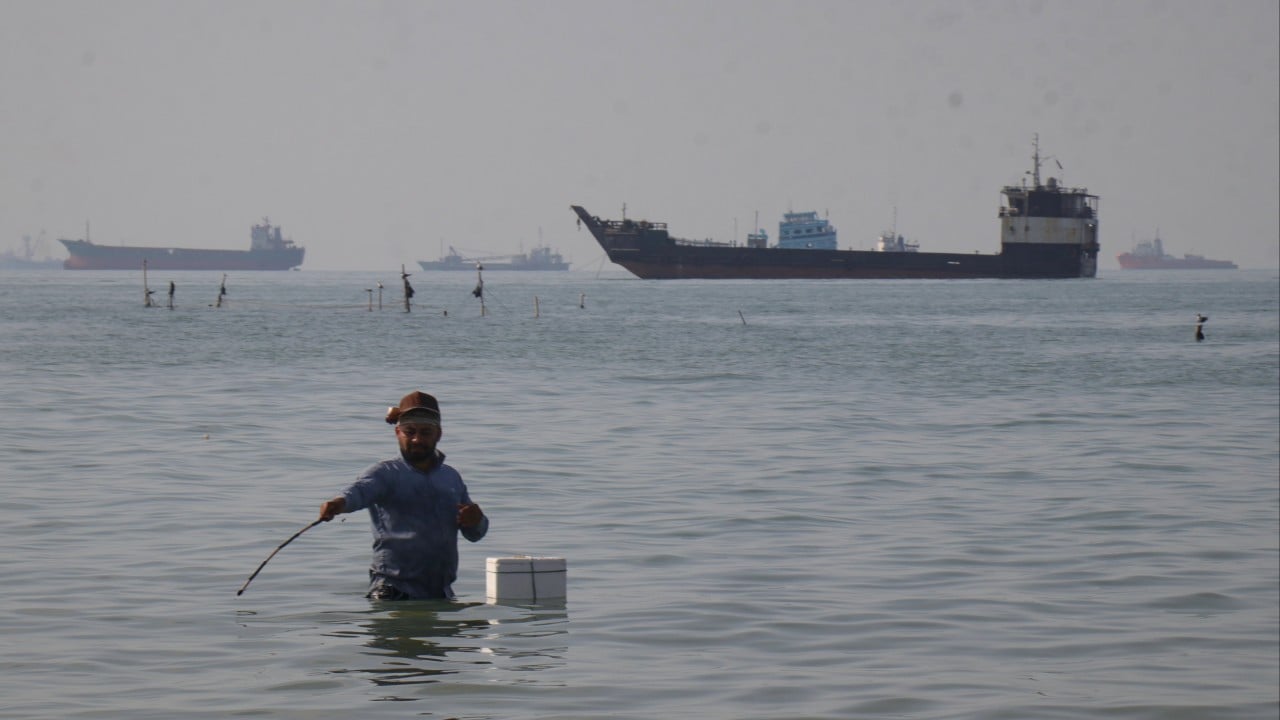
While the diplomats argue over years and percentages, the global economy is bleeding. The Strait of Hormuz remains a graveyard for shipping schedules. The U.S. blockade, designed to kill the "oil-for-gold" shadow fleet, has turned the world’s most vital energy artery into a tactical no-go zone.
Trump has linked the pause on U.S. strikes directly to the "complete, immediate, and safe opening" of the Strait. Iran, however, views the waterway as its only shield. For the Iranian leadership, reopening the Strait without a guaranteed lifting of sanctions is equivalent to disarming in the middle of a siege. They aren't just fighting for a seat at the table; they are fighting for the survival of their energy infrastructure, which Trump has threatened to "blast the hell out of" if a deal isn't reached by his next shifting deadline.
A Fracture in the Alliance
This "my way or the highway" approach is creating a rift with traditional allies that is starting to look permanent. Trump’s recent threats to pull U.S. troops from Germany, Italy, and Spain are a direct response to European criticism of the war’s economic fallout. German Chancellor Friedrich Merz’s comment that the U.S. is being "humiliated" by the Iranian leadership clearly struck a nerve.
The White House sees European hesitation as a betrayal. From the administration's perspective, the U.S. is doing the heavy lifting to neutralize a regional threat while Europe complains about the price of gas. This resentment has fueled a policy that is increasingly unilateral, leaving mediators like Pakistan’s Shehbaz Sharif in the difficult position of trying to satisfy a president who views compromise as a sign of weakness.
The Nuclear Dust Deadlock
The most significant hurdle remains the 440 kilograms of uranium enriched to 60 percent. This material is the "nuclear dust" Trump claims Iran has already agreed to hand over—a claim the Iranian Foreign Ministry has repeatedly and heatedly denied.
To the U.S. and Israel, this stockpile is a loaded gun. Israel’s Foreign Ministry has stated that the removal of this material is a "precondition" to any permanent end to the conflict. Iran views it as their ultimate insurance policy. If they ship it out, they lose their only real deterrent against a full-scale ground invasion or a renewed campaign of precision strikes.
The reality of the May 2026 proposal is that it is less a peace plan and more a tactical maneuver. Iran is trying to show the world it is reasonable to forestall further strikes, while Trump is using the proposal’s "unacceptability" to justify maintaining a posture of total dominance.
A ceasefire exists on paper, but the war of attrition continues in the counting rooms of global oil traders and the halls of Islamabad. Trump’s insistence that Iran has not yet "paid a big enough price" suggests that the ceasefire is not the beginning of the end, but merely a pause to reload.
The strategy is high-stakes gambling with the global economy as the chips. If Iran blinks, Trump secures a historic victory that eclipses his previous terms. If they don't, the "hostilities" he claimed were terminated on May 1 could return with a ferocity that makes Operation Epic Fury look like a skirmish.