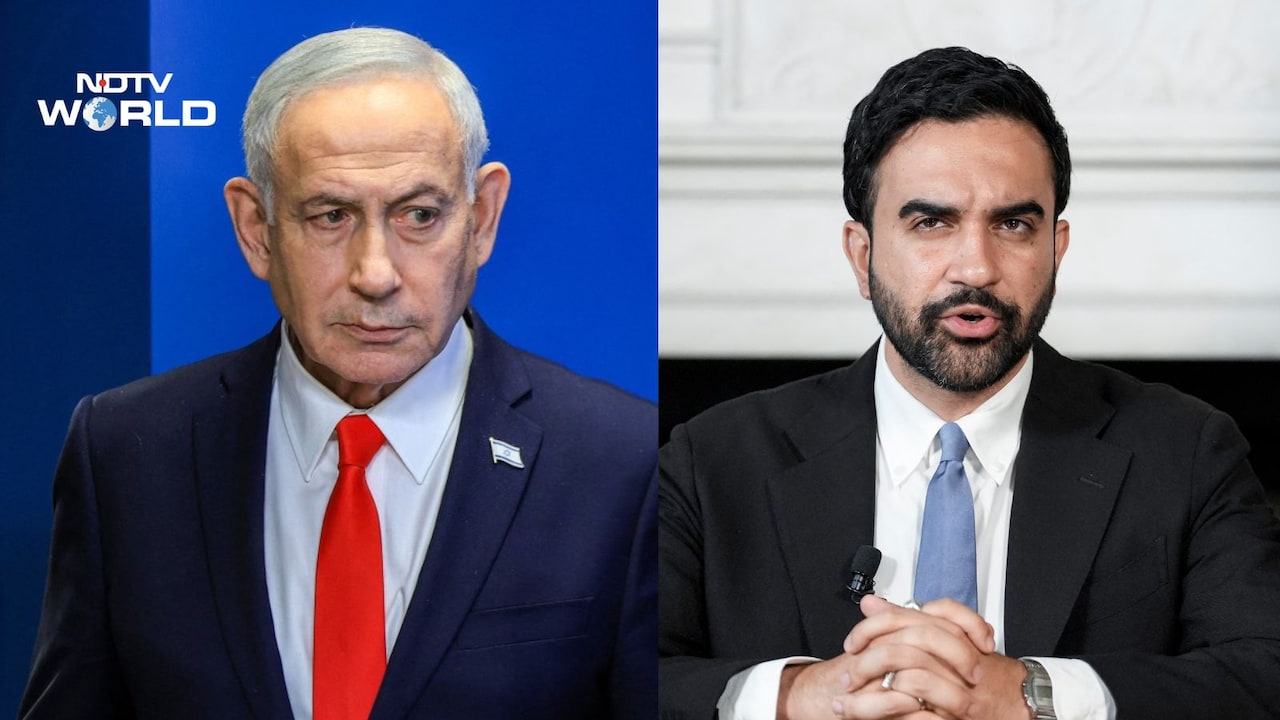
New York City Mayor Zohran Mamdani announced that his administration lacks the legal authority to execute an International Criminal Court warrant against Israeli Prime Minister Benjamin Netanyahu. The admission, delivered via a social media video, put an end to months of political posturing that began during his mayoral campaign. The jurisdictional reality of American constitutional law and federal supremacy rendered the idea impossible from the moment it was uttered.
+-----------------------------------------------------------------------+
|                       THE JURISDICTIONAL GAP                          |
+-----------------------------------------------------------------------+
|  INTERNATIONAL LEVEL   |  ICC issues arrest warrant (Rome Statute)    |
|                        |  *U.S. is NOT a signatory*                   |
+------------------------+----------------------------------------------+
|  FEDERAL LEVEL         |  22 U.S.C. § 7421 (ASPA / "Invade The Hague")|
|                        |  18 U.S.C. § 112 (Protection of Foreign Reps)|
|                        |  *Supremacy Clause overrides municipal law*  |
+------------------------+----------------------------------------------+
|  LOCAL LEVEL (NYC)     |  NYPD Officers / City Executive Branch       |
|                        |  *Zero legal standing to enforce ICC orders* |
+------------------------+----------------------------------------------+
The Constitutional Wall Stopping Municipal Overreach
Municipal executives do not possess diplomatic or international law enforcement mandates. The United States Constitution grants sole authority over foreign relations and international affairs to the federal government under Article I and Article II. A mayor attempting to direct local law enforcement officers to detain a foreign head of state operating under diplomatic immunity violates basic constitutional structure.
Furthermore, the statutory mechanics present insurmountable barriers:
- The Rome Statute Exclusion: The United States is not a state party to the Rome Statute that established the International Criminal Court. Consequently, warrants issued by the ICC carry no independent legal force within American territory without specific federal implementing legislation.
- Federal Supremacy: Under the Supremacy Clause (Article VI, Clause 2), federal foreign policy decisions and statutory protections supersede municipal executive orders or local police initiatives.
- The Diplomatic Relations Act: Foreign leaders attending official functions, such as the United States General Assembly in New York, carry diplomatic immunity protections codified in federal statute and international treaties signed by the United States government.
If a mayor were to order the New York Police Department to execute an arrest on a foreign dignitary, those officers would face immediate federal intervention.
Statutory Protections for Visiting Foreign Officials
Beyond constitutional allocations of power, specific federal criminal codes make any municipal attempt to detain an official guest illegal under U.S. law.
Under 18 U.S.C. § 112, it is a federal crime to assault, strike, wound, imprison, or offer violence to a foreign official, official guest, or internationally protected person. Any local law enforcement officer acting on a municipal directive to detain an officially invited foreign leader would risk federal prosecution, carrying penalties of up to ten years in prison if weapons are involved.
18 U.S.C. § 112 Provisions:
-------------------------------------------------------------------
Action Against Protected Official  | Maximum Federal Penalty
-------------------------------------------------------------------
Intimidation or Harassment          | Up to 6 months imprisonment
Imprisonment or Detention           | Up to 3 years imprisonment
Detention Involving Firearms        | Up to 10 years imprisonment
-------------------------------------------------------------------
Additionally, federal legislation explicitly forbids state and local cooperation with the International Criminal Court. The American Servicemembers' Protection Act (22 U.S.C. § 7421 et seq.) restricts governments within the United States from responding to requests for cooperation or extraditions issued by the ICC.
The law leaves zero flexibility for municipal experimentation. A city official attempting to enforce an ICC order acts in direct defiance of federal statutory law, exposing the city to immediate federal injunctions and criminal liability for participating personnel.
Rhetoric Versus Executive Power
Promising actions outside municipal jurisdiction is a well-worn political strategy. Campaigns frequently utilize grand foreign policy statements to mobilize grassroots factions, knowing full well that executive governance will eventually collision-course with statutory limitations.
When municipal leaders pivot from campaign promises to actual governance, legal counsel inevitably steps in to clarify the boundary between speech and legal authority. City attorneys are bound to advise mayors on the actual legal reach of municipal agencies like the NYPD. In this case, the legal department made clear what legal scholars had noted instantly: a city cannot establish its own state-level foreign policy or act as an enforcement arm for unratified international tribunals.
The resolution of this situation underscores a fundamental truth about American federalism. While local mayors hold substantial authority over municipal budgets, zoning, transit, and local policing, the conduct of foreign affairs and the recognition of international legal bodies remain strictly within the domain of the federal government.