Every October, headlines explode with names of brilliant scientists, authors, and peace activists who just won the most famous medal on earth. But outside of the glamour, most people have no clue how the Nobel Prize actually works, who pays for it, or why Norway handles the peace prize while Sweden takes care of the rest.
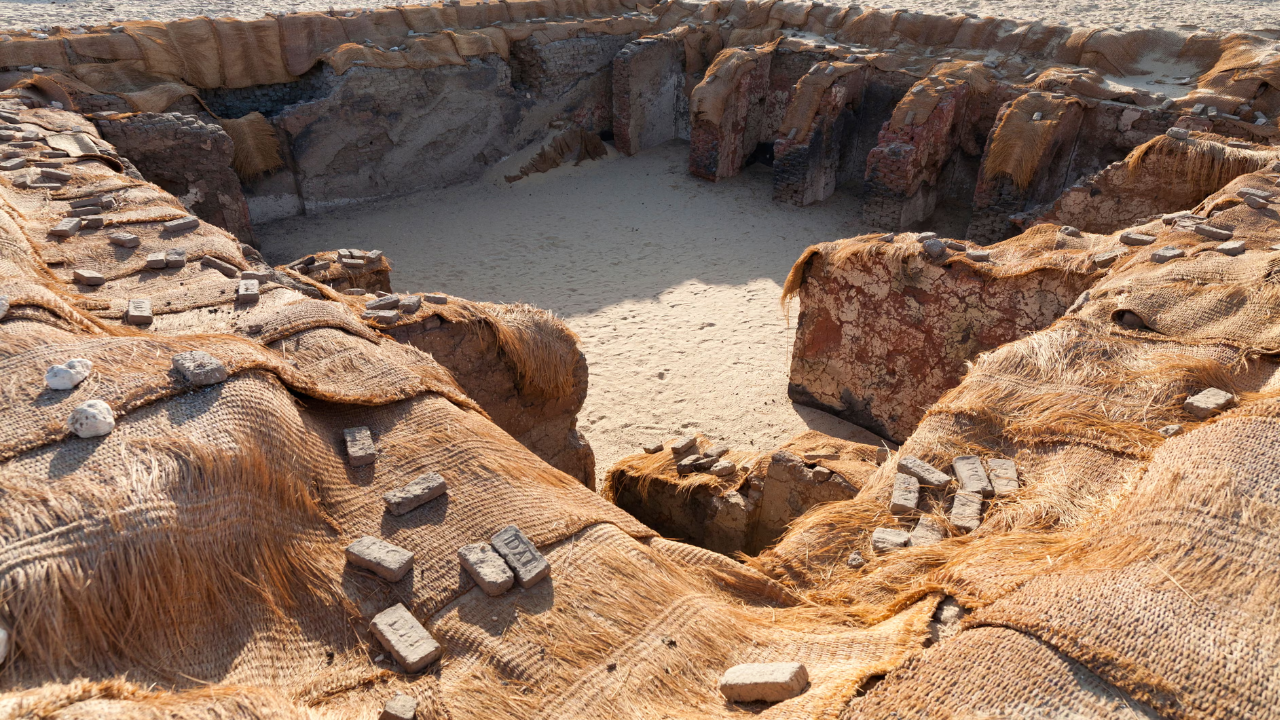
If you think a single committee in Stockholm hands out every award, you're missing the messy, bureaucratic truth. The machinery behind these prizes is split across distinct institutions, governed by a dead Swedish chemist's complicated guilt, and bound by a strict fifty-year secrecy rule. Recently making waves recently: What Ancient Egyptian Skulls Actually Tell Us About Royal Sacrifices.
The Guilt and the Will That Started It All
Alfred Nobel invented dynamite in 1867. It made him immensely wealthy, but it also made him an arms merchant of death on a global scale.
The turning point happened in 1888 when Alfred's brother, Ludvig, died in Cannes. A French newspaper mistakenly published Alfred's obituary instead of Ludvig's. It slammed Alfred for becoming rich by finding ways to kill people faster than ever before. Reading his own harsh premature obituary horrified Alfred. He decided he wanted a better legacy. Further details on this are covered by Bloomberg.
When he died in 1896, his last will and testament shocked his family. He left the vast majority of his massive fortune to fund a series of prizes for those who confer the "greatest benefit on humankind". He specified five fields: physics, chemistry, physiology or medicine, literature, and peace.
Who Actually Decides the Winners
Alfred Nobel didn't trust just one group with his money. He divided the responsibility among specific Scandinavian organizations. This fragmentation keeps the process independent, but it also means four entirely different committees argue behind closed doors every year.
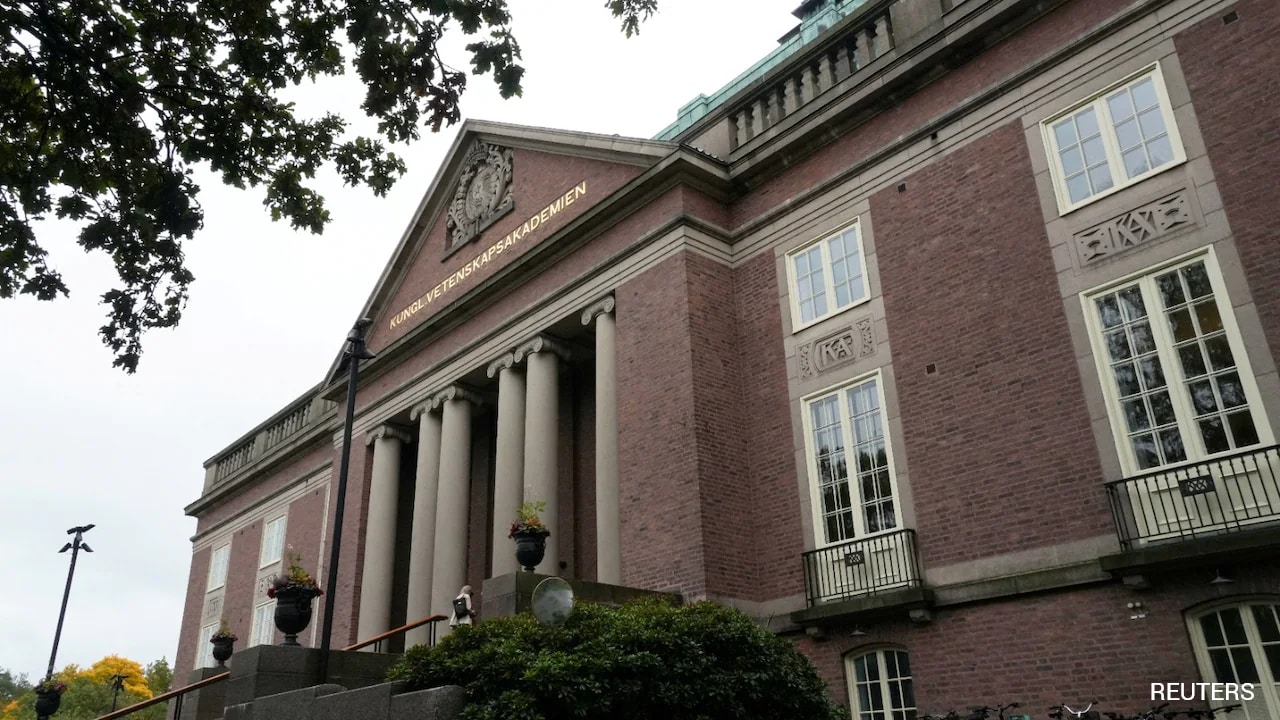
The Royal Swedish Academy of Sciences handles physics, chemistry, and economics. The Karolinska Institute looks after physiology or medicine. The Swedish Academy takes the literary world and picks the prize in literature.
Then there is the odd one out: the Nobel Peace Prize.
Alfred Nobel stipulated that the peace prize should be awarded by a committee of five people elected by the Norwegian Parliament. Why Norway? Back in 1895 when Nobel wrote his will, Sweden and Norway were united under a single monarch, but they maintained separate political systems. Nobel admired the Norwegian Storting's focus on peace initiatives. Today, while Stockholm hosts the science and literature ceremonies, Oslo hosts the peace prize ceremony.
The Economics Addition That Isn't Actually a Nobel Prize
Purists love pointing out a technicality. The Sveriges Riksbank Prize in Economic Sciences in Memory of Alfred Nobel was not part of Alfred's original 1895 will.
Sweden's central bank established it in 1968 to mark its own tercentenary. The Royal Swedish Academy of Sciences selects these laureates using the same principles, and the winners receive their medals alongside the others in December, but technically, it's an imposter funded by a bank rather than Nobel's estate. Even members of Nobel's own family have publicly criticized its inclusion over the decades.
Behind Closed Doors for Fifty Years
You can't just apply for a Nobel Prize. You can't lobby for it, and you can't even know who nominated you until half a century has passed.
Nomination invitations go out to thousands of university professors, previous laureates, and academy members worldwide every September. Nominations close in January, and then the committees spend nearly ten months evaluating candidates.
The deliberations stay strictly confidential. The statutes of the Nobel Foundation mandate that information about the nominations cannot be disclosed for fifty years. This rule protects committee members from outside political pressure, public lobbying, and bitter social fallout when a favorite researcher gets snubbed.
The Rules of Survival and Posthumous Exceptions
One ironclad rule of the Nobel Prize is that you must be alive to win it. The statutes explicitly state that a prize cannot be awarded posthumously.
Yet, mistakes happen because of the secret timeline. In 2011, the medicine prize committee selected Canadian immunologist Ralph Steinman. When they tried to call him with the good news, he had passed away from pancreatic cancer just three days prior. Because the committee had no idea he died while making their final choice, the Nobel Foundation made a rare exception and let the award stand.
On the flip side, living laureates sometimes turn the prize down or find themselves blocked by political forces. Jean-Paul Sartre declined the literature prize in 1964 because he consistently refused official honors. Boris Pasternak was forced by Soviet authorities to reject the literature prize in 1958.
The prize remains a deeply human institution flawed by oversight, politics, and shifting global definitions of what truly benefits humankind. Next time you read about a new laureate, look past the gold medal and remember the century-old machinery driving the choice.