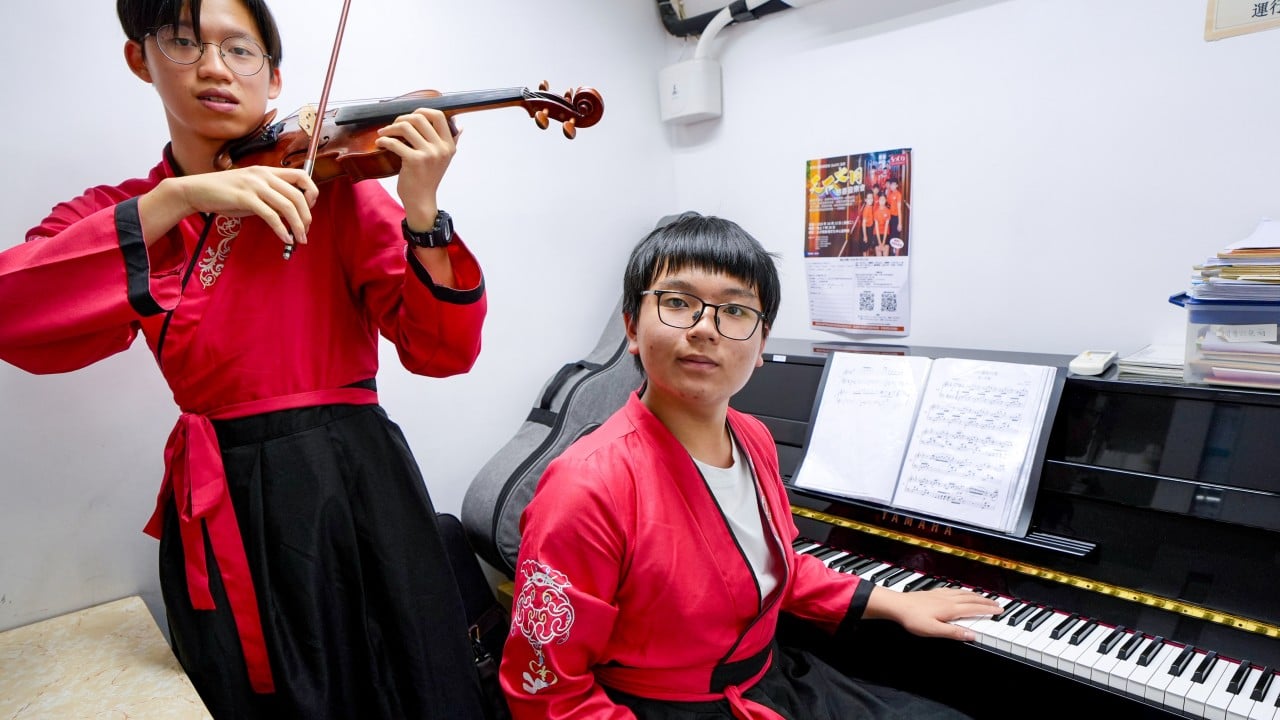
A 13-year-old boy in Hong Kong recently made headlines for mastering the piano while living in a subdivided flat. It's an inspiring headline. It fills your feed with warm feelings. But let’s be totally honest about what this actually means. Learning classical music in a space smaller than a parking spot isn't just a feel-good human-interest piece. It is a grueling battle against spatial poverty, structural noise complaints, and an elite arts culture that usually requires a massive bank account to enter.
We love stories about prodigies overcoming the odds. Yet we rarely talk about the actual mechanics of how a kid pulls this off when their living room is also their bedroom, kitchen, and study area.
You cannot just buy a grand piano and plug it into a 100-square-foot room. The math doesn't work. The neighbors won't allow it.
The Acoustic Nightmare of Subdivided Housing
Hong Kong's housing crisis is famous worldwide. Subdivided flats, or "coffin homes" as the extreme versions are called, partition a single apartment into multiple tiny units. The walls are notoriously paper-thin. They are often made of cheap gypsum board or light brick.
If you sneeze, your neighbor hears it. If you practice a Chopin nocturne at 8:00 PM, you are effectively forcing four different families to listen to your rehearsal.
Space constraints change how music is learned. Here is what a young musician actually faces in these environments.
- The Digital Compromise: Real acoustic pianos are out of the question. Apart from the physical weight cracking old floorboards, the volume is deafening in a small room. Students must rely on electronic keyboards, often budget models without fully weighted keys.
- The Muscle Memory Gap: Electronic keys don't rebound like a real grand piano. When a student who practices on plastic keys steps onto a concert stage, their fingers literally lack the strength and nuance required to control a Steinway.
- Headphone Fatigue: Practicing with headphones solves the neighbor problem. It creates another one. Ear fatigue sets in fast. The lack of natural room acoustics makes it incredibly difficult for a child to develop an ear for tone color and pedaling.
Society expects poor kids to just "work harder." But grit doesn't change the laws of physics.
Moving From the Bedroom to the Concert Stage
Transitioning from a cramped cubicle to a public stage is a psychological shock. For a 13-year-old accustomed to staring at a concrete wall two feet from their face, looking out at an auditorium is terrifying.
The physical geography of the performance matters. On a real stage, sound travels away from you. In a subdivided flat, sound bounces off the ceiling and hits you instantly. Young performers from underprivileged backgrounds often struggle during soundchecks because the instrument sounds completely alien to them in an open hall.
Community centers and local charities often step in to bridge this gap. Some organizations offer free practice rooms for a few hours a week. It helps. It still doesn’t match the advantage of an affluent peer who can play their private instrument past midnight without anyone yelling through the wall.
How Subsidized Arts Programs Can Step Up
If we actually care about talent rather than just consuming inspirational stories, the system needs to change. Relying on sheer luck and individual heroism isn’t a strategy.
We need public infrastructure that addresses space poverty. Schools should keep music rooms open until 9:00 PM. Local districts must fund community digital hubs where kids can use high-quality weighted keyboards with proper monitoring headphones.
Don't just praise a kid for practicing in a closet. Give them a room.
Practical Steps for Small Space Practicing
If you are a young musician dealing with minimal space and tight budgets, certain adjustments can maximize your practice efficiency.
Focus entirely on articulation when using a non-weighted keyboard. Since you cannot practice true weight control, master the exact timing of your finger releases.
Use community resources aggressively. Do not just look for music charities. Libraries, youth clubs, and churches often have acoustic pianos that sit idle for six days a week. Ask for access.
Record your sessions on a cheap phone. When headphones distort your perception of your playing, listening back to a raw recording reveals the uneven dynamics your ears missed in real-time.