Blasts rattled Qeshm Island in southern Iran again in mid-November 2026, setting off a wave of conflicting reports about fresh US missile strikes. Within hours, two different narratives collided. One semi-official Iranian outlet reported a missile hit the outskirts of Qeshm city at 6:50 p.m. local time on Friday, November 20. Shortly after, Hormozgan Deputy Governor Ahmad Nafisi pushed back, claiming the noise came from controlled detonations of leftover unexploded ordnance from earlier attacks.
If you're trying to figure out what's actually going on in the Strait of Hormuz right now, you're not alone. Information coming out of southern Iran gets messy fast during active military flare-ups. Let's break down the verified timeline, why Qeshm Island keeps landing in the crosshairs, and how to separate confirmed military strikes from local damage control.
Why Qeshm Island Matters So Much in the 2026 Conflict
You can't understand the November explosions without looking at a map. Qeshm isn't just another rocky outcrop in the Persian Gulf. It's the largest island in the Strait of Hormuz, sitting right along the narrow maritime chokepoint where roughly a fifth of the world's oil output passes through.
Whoever controls Qeshm's coastline holds massive leverage over global shipping lanes. Since the US and Israel launched military operations against Iran on February 28, 2026, the island has turned into prime real estate for coastal missile batteries, naval staging, and air defense networks.
When fighting flared up again in November after a relative lull, Qeshm immediately became a focal point. The geography leaves zero margin for error. A launch site tucked into Qeshm's hills can threaten commercial tankers and naval escorts within minutes.
Breaking Down the November 2026 Explosions on Qeshm
If you look closely at the reporting from November 2026, you'll notice two distinct waves of blasts—and a whole lot of official backtracking.
The Confirmed November 17 Airstrikes
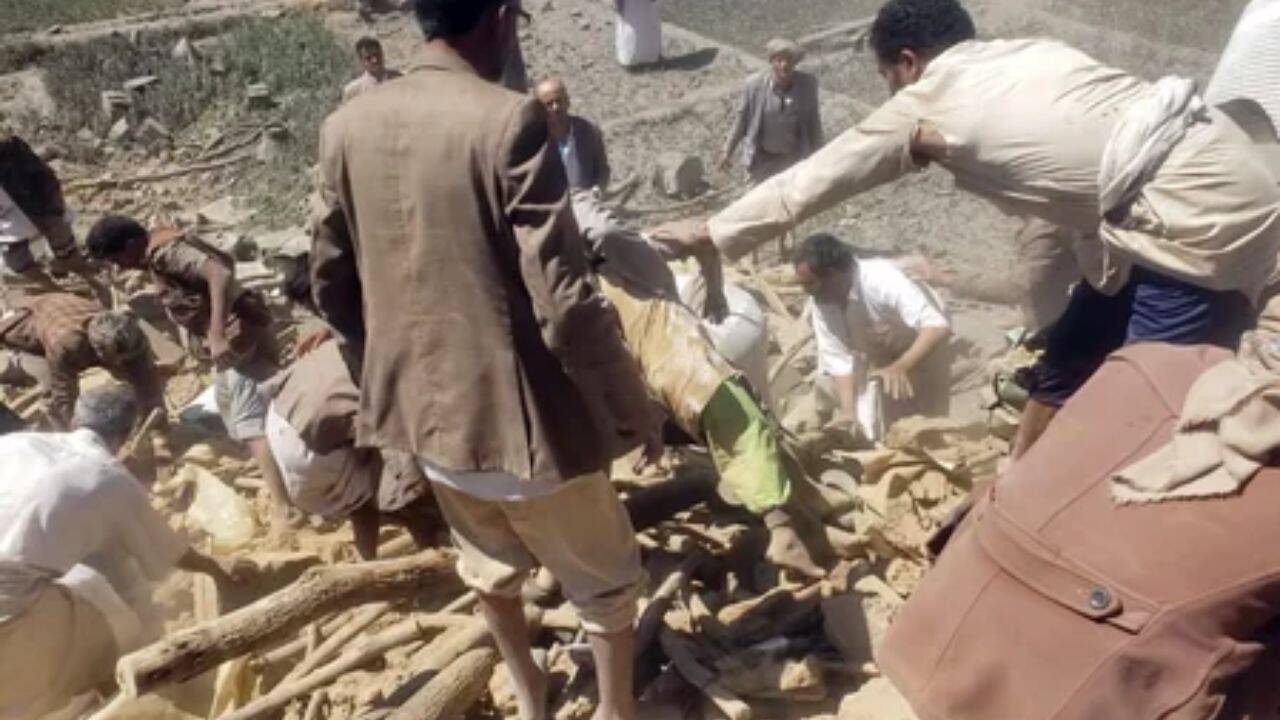
On Tuesday, November 17, 2026, explosions shook multiple locations across Qeshm Island. Unlike later incidents, nobody disputed who pulled the trigger here. Iranian state broadcaster IRIB and local officials confirmed US forces struck several sites on the island.
US military officials backed that up, stating American fighter jets hit an Iranian Islamic Revolutionary Guard Corps (IRGC) missile site on Qeshm in a self-defense operation following what Washington described as aggression from Tehran's forces. Iranian authorities claimed residential and commercial zones escaped damage, though the strikes clearly targeted active launch infrastructure.
The November 20 Confusion
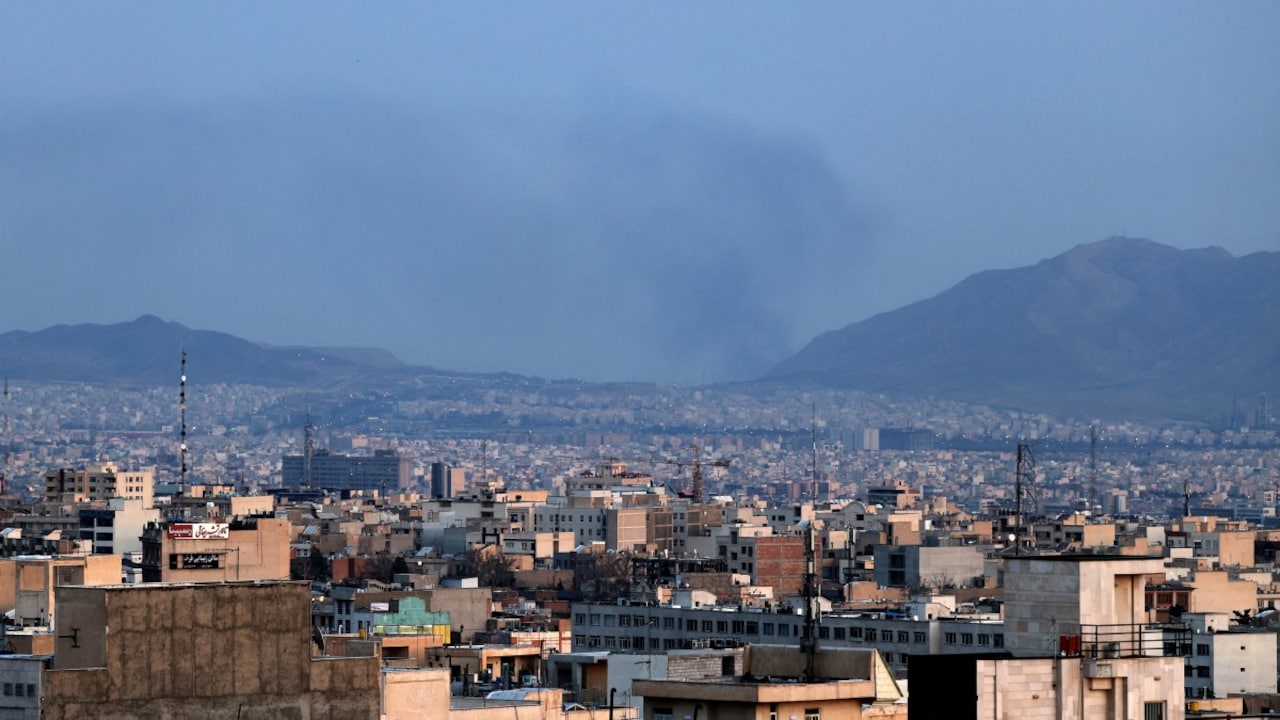
Three days later, on Friday evening, November 20, residents near Qeshm city heard loud blasts around 6:50 p.m. local time.
Here's where the story split in two:
- Initial reports: Semi-official news agency Tasnim reported that a US-launched missile struck the outskirts of Qeshm city, noting no immediate word on casualties or the intended target.
- Official reversal: Hours later, Fars News Agency quoted Deputy Governor Ahmad Nafisi denying any new US-Israeli missile strike. Nafisi insisted local teams were simply disposing of unexploded munitions left behind by the earlier November 17 raids, urging residents to stay calm.
Even earlier in the month, on November 2 and November 7, local outlets like IRNA and Tasnim reported rapid explosions and projectile impacts on Qeshm after residents heard aircraft overhead—incidents where provincial officials stayed completely silent.
Why Iranian Outlets Contradict Each Other During Strikes
I've tracked Middle East defense reporting for years, and this exact pattern—Tasnim breaking a strike alert, followed hours later by Fars or a provincial governor calling it "ordnance disposal" or "air defense drills"—happens constantly.
Why does it happen? Three reasons explain the chaos:
- Speed vs. censorship: Semi-official outlets like Tasnim often publish raw dispatches from local stringers before Tehran's security apparatus locks down the narrative. Once the Supreme National Security Council or IRGC commanders weigh in, provincial governors issue calming statements to prevent panic and avoid admitting air defenses failed.
- Real unexploded ordnance (UXO) risks: To be fair, Nafisi's explanation isn't always pure spin. Modern bunker-busting munitions and precision-guided bombs do leave behind unexploded submunitions or unstable warheads after major airstrikes like the November 17 raid. Clearing them requires controlled blasts that sound identical to incoming missiles to anyone living a few miles away.
- Diplomatic timing: In late November 2026, backchannel talks over reopening and securing the Strait of Hormuz were hanging by a thread. Admitting to a brand-new US strike on Friday evening forces Tehran into a corner where domestic hardliners demand immediate retaliation, potentially blowing up ongoing mediation efforts.
How Qeshm Strikes Connect to the Wider Hormuz Standoff
Don't view the Qeshm explosions in isolation. They're part of a grinding tit-for-tat campaign over maritime control in the Persian Gulf.
Since the war erupted in February 2026 and a fragile June memorandum of understanding stalled over navigation rules, both sides have been testing limits. US Central Command (CENTCOM) stated in October 2026 that it had escorted over 1.5 billion barrels of crude oil through the Strait of Hormuz since the summer blockade began, while working to clear sea mines from primary shipping channels.
Every time the IRGC moves anti-ship missiles or radar units back onto Qeshm Island, US warplanes target those launchers before they can threaten escorted tankers. Iran, in turn, has responded to November's strikes with broader regional pressure, including retaliatory launches toward US-allied facilities in Gulf states and fresh claims of sea mines threatening tankers in the strait.
Meanwhile, inside Tehran, political fractures are showing. On November 21—just one day after the contested Qeshm blasts—Iranian Foreign Minister Abbas Araghchi floated a phased framework for reopening Hormuz, only for Parliament Speaker Mohammad Bagher Ghalibaf to publicly reject the idea three days later. When Tehran's own leadership can't agree on de-escalation, military commanders on islands like Qeshm keep operating on a hair trigger.
Common Misconceptions About the Qeshm Island Attacks
When breaking news hits social media with shaky phone videos of smoke rising over the Persian Gulf, bad information spreads faster than verified facts. Watch out for these frequent mistakes:
- Assuming Qeshm city itself is being flattened: Both US military statements and local Iranian assessments point to strikes hitting perimeter military installations, hills, and coastal launch sites on the outskirts—not downtown civilian neighborhoods.
- Confusing air defense interceptions with ground impacts: Residents often report hearing four or five rapid blasts when only one or two projectiles were fired. Surface-to-air interceptors detonating mid-air create massive shockwaves across open water, making a single engagement sound like a heavy bombardment.
- Believing every blast equals a new escalation: Sometimes a Friday explosion really is Tuesday's unexploded bomb being cleared by engineers. Jumping to conclusions without waiting for CENTCOM confirmation or satellite imagery leads to false alarms in energy markets.
How to Verify Future Breaking News From the Strait of Hormuz
If you're tracking this conflict for work, market analysis, or personal awareness, stop relying on single-source social media posts. Use this quick verification checklist whenever explosion reports emerge from Qeshm or Bandar Abbas:
- Check for dual-source confirmation: Wait to see if both a local Iranian agency (like IRNA or Tasnim) and an international wire service (Reuters, AFP, or Anadolu Agency) corroborate the timing and location.
- Look for CENTCOM or Pentagon statements: The US military generally acknowledges self-defense strikes against IRGC missile sites within 12 to 24 hours, whereas it stays silent during routine Iranian air defense drills or munitions disposal.
- Watch maritime and energy indicators: Real strikes on active Hormuz infrastructure immediately trigger AIS shipping reroutes, UKMTO maritime advisories, or sharp spikes in Brent crude futures. If tanker traffic keeps moving smoothly past Qeshm, the incident was likely localized or a controlled demolition.
Stick to verified wire dispatches and official military readouts before reacting to dramatic headlines out of southern Iran, because in the Strait of Hormuz, the first report is almost never the full story.
For a closer look at the official statements surrounding the mid-November attacks, watch Iran Reports Explosions On Qeshm Island After US Strikes, which covers the provincial confirmation of the strikes in the Strait of Hormuz.