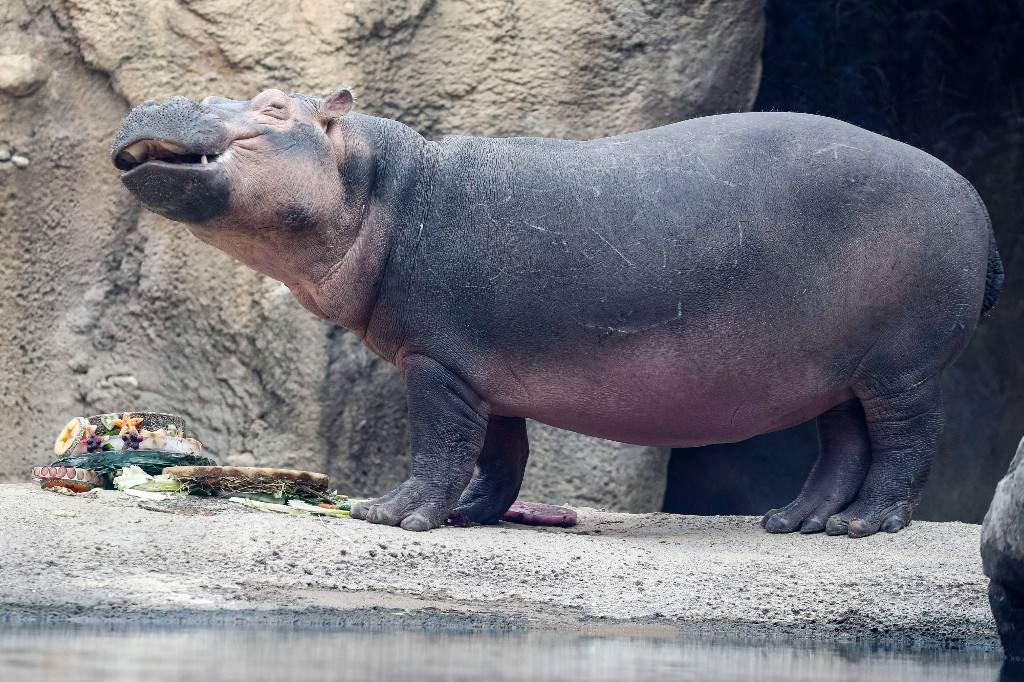
One gust of wind at the Cincinnati Zoo can turn a casual afternoon visit into a veterinary emergency. That's the reality behind the news that Fiona the hippo is undergoing care after eating a hat that fell into her enclosure.
People love to laugh at the idea of a massive river hippopotamus chomping down on a baseball cap. I get why it sounds harmless on the surface. She weighs well over a thousand pounds, after all. Surely a piece of cotton or polyester is nothing compared to the piles of hay, lettuce, and melons she puts away every single day.
Wrong. Dead wrong.
Foreign objects are one of the biggest preventable threats to captive wildlife. When a visitor leans too far over a railing or fails to secure a loose item on a breezy day, the animal inside that habitat doesn't recognize the object as trash. They treat it like enrichment, food, or something to investigate with their mouths. For Fiona, who has been a global sensation since her premature birth in January 2017, every single digestive hiccup puts the Cincinnati Zoo's veterinary and care teams on high alert.
Why Foreign Objects Are So Dangerous for Hippos
You might think a hippo's stomach works like a garbage disposal. It doesn't.
While hippos are massive herbivores with powerful jaws, their digestive tracts are actually quite sensitive to blockages. Unlike ruminants such as cows or giraffes that have four distinct stomach compartments and chew cud, hippos are pseudo-ruminants. They have a complex, multi-chambered stomach—specifically three main chambers—designed to ferment fibrous plant matter slowly over time.
A hat isn't plant matter. It doesn't break down in stomach acid.
When a hippo swallows a piece of fabric, plastic, or foam, several things can go wrong fast. The material can bunch up and form a physical obstruction in the narrow passages between stomach chambers or inside the intestines. Even worse, if the hat has a plastic snapback strap, metal grommets, or stiff cardboard inside the brim, those rigid edges can scrape or perforate the lining of the gastrointestinal tract.
Honestly, size works against the veterinary team here. You can't just sedate a full-grown Nile hippo and wheel her into an MRI machine or perform routine exploratory surgery. Anesthesia in hippos carries massive risks. Because of their thick skin, unique blood vessel networks, and the sheer weight of their bodies pressing down on their lungs when they lie flat, putting a hippo under general anesthesia is always a last resort. Vets rely heavily on non-invasive monitoring, behavioral observation, and supportive care to help the animal pass the object naturally.
How the Cincinnati Zoo Veterinary Team Responds
When an incident like this happens at an accredited facility like the Cincinnati Zoo & Botanical Garden, the response isn't panic. It's protocol.
First, the care team has to confirm what actually went down the hatch. Did she just chew on it and spit it out in the water, or did she swallow the whole thing? Keepers immediately check the pool filtration systems, scan the bottom of the habitat, and review security camera footage if available. Once they confirm ingestion, the clock starts ticking on digestive transit time.
For a hippo, food doesn't pass through in a few hours. It can take days—sometimes over a week—for something swallowed today to make its way completely through the system.
During this waiting period, Fiona's care team adjusts her routine to encourage safe passage. They monitor her appetite, energy levels, and water intake with extreme precision. If a hippo stops eating or acts lethargic, that's a massive red flag for an intestinal blockage. Keepers also inspect every single pile of manure she produces. Yes, someone has the job of sifting through massive amounts of hippo waste until the missing hat—or pieces of it—shows up on the other end.
Vets may also tweak her diet. Increasing hydration and adding specific types of bulky, high-fiber foods or mineral oil can help lubricate the digestive tract and push a foreign object along safely. Throughout the process, the team relies on Fiona's lifelong training. Because she has worked closely with her keepers since the day she was born at just 29 pounds, she voluntarily participates in basic health checks, allowing staff to examine her mouth, check her body condition, and administer oral medications without stress.
The Bigger Problem of Dropped Items at Zoos
Let's be blunt about why this happened in the first place. Animals don't order hats off the internet. Humans bring them into the zoo, and humans fail to secure them.
Every single zookeeper in the country has a horror story about items dropped into habitats. Sunglasses, cell phones, pacifiers, AirPods, water bottle caps, toddler shoes—if it isn't strapped to your body, it can end up inside an animal's stomach.
Most visitors aren't malicious. Nobody wakes up wanting to hurt a famous hippo. People simply underestimate wind gusts, lean over viewing barriers to get a better selfie, or let kids hold loose items right above an open-air exhibit. The problem is that a two-second lapse in attention creates days or weeks of medical stress for the animal and the staff responsible for keeping her alive.
Hippos are particularly prone to swallowing dropped items because of how they explore their environment. They don't have hands to pick things up and inspect them. They use their massive, sensitive lips and mouths. If a hat lands in the water or on the deck of Hippo Cove, Fiona is going to investigate it orally. By the time a keeper spots the item and tries to call her away, it's often too late.
And Fiona isn't even the only hippo in that habitat to worry about. She shares Hippo Cove with her mother, Bibi, her stepfather, Tucker, and her younger brother, Fritz. Any foreign object entering that enclosure poses a risk to the entire bloats' safety.
Fiona's Medical History Makes People Extra Protective
If you've followed Fiona since 2017, you know why fans react so strongly whenever she needs medical care.
She shouldn't even be here. Born six weeks premature at the Cincinnati Zoo, Fiona was too weak to stand or nurse on her own. The zoo's care team worked around the clock for months, bottle-feeding her, providing IV fluids, and even bringing in specialists from Cincinnati Children's Hospital Medical Center to help place a catheter when her tiny veins collapsed. She became the smallest hippo ever to survive premature birth.
Because millions of people watched her fight for every ounce of weight gain, people feel a personal attachment to her health. Whenever news breaks that she's under veterinary observation, fans immediately worry about a setback.
The upside of her intensive early care is that Fiona is one of the most cooperative, well-conditioned hippos in the world. She trusts her keepers completely. That bond makes a massive difference when vets need to monitor her closely, take her temperature, or adjust her feeding schedule during a digestive scare. Unlike wild-caught or less habituated animals that might hide signs of discomfort until they are critically ill, Fiona's team knows every subtle shift in her posture, ear flicks, and vocalizations.
What You Need to Do on Your Next Zoo Visit
You don't need to be a zookeeper to prevent these emergencies. You just need basic situational awareness whenever you stand near an animal habitat.
Before you walk up to any open-air railing, glass barrier, or viewing deck, do a quick gear check. Secure loose hats with a chin strap or take them off and clip them to your bag. Put your phone in a zipped pocket or attach a wrist lanyard before holding it over a barrier to take photos. Keep sunglasses on your face or tucked inside your shirt—never balanced on top of your head where a single downward glance sends them tumbling into a moat.
If you're visiting with kids, keep a firm grip on toys, sippy cups, and snacks near enclosures. Never sit a child on top of a railing or fence, even for a quick picture.
Most importantly, if you do accidentally drop something into an exhibit, do not try to retrieve it yourself, and do not stay silent out of embarrassment. Tell the nearest zoo staff member immediately. Keepers don't care about lecturing you; they care about knowing the exact size, shape, and material of the object so the veterinary team knows what they're dealing with before an animal swallows it. Report the drop right away, give staff the exact details of the item, and step back so they can manage the habitat safely.