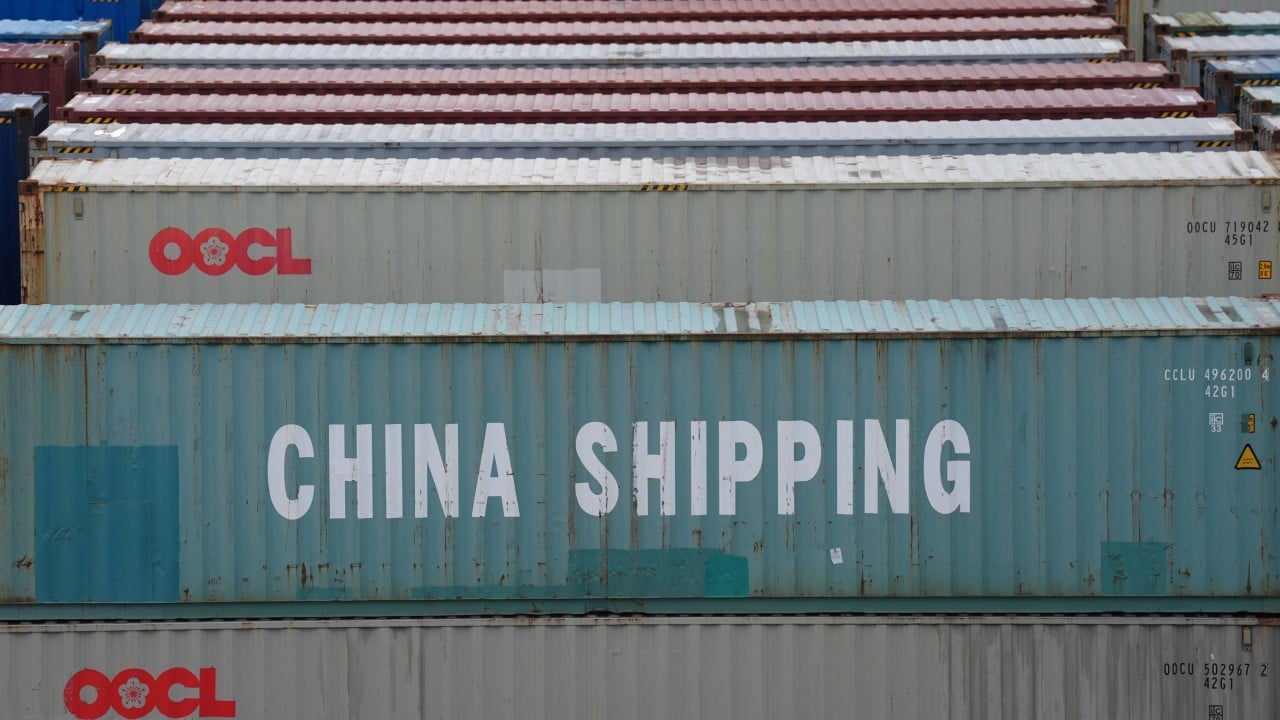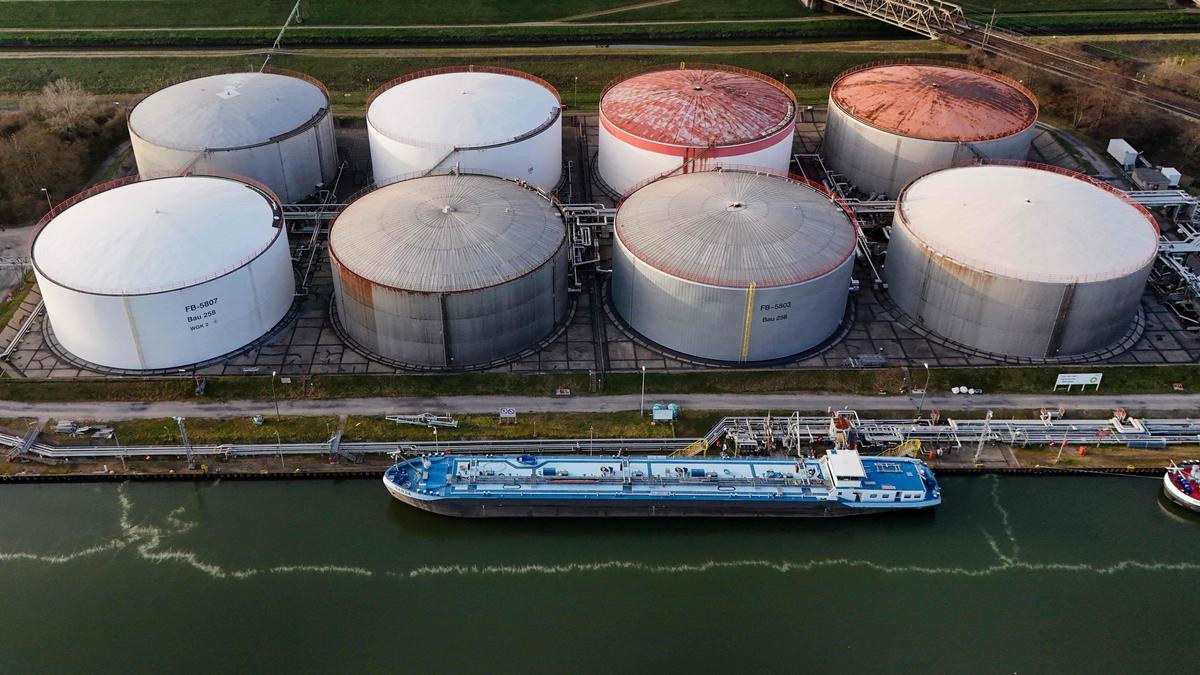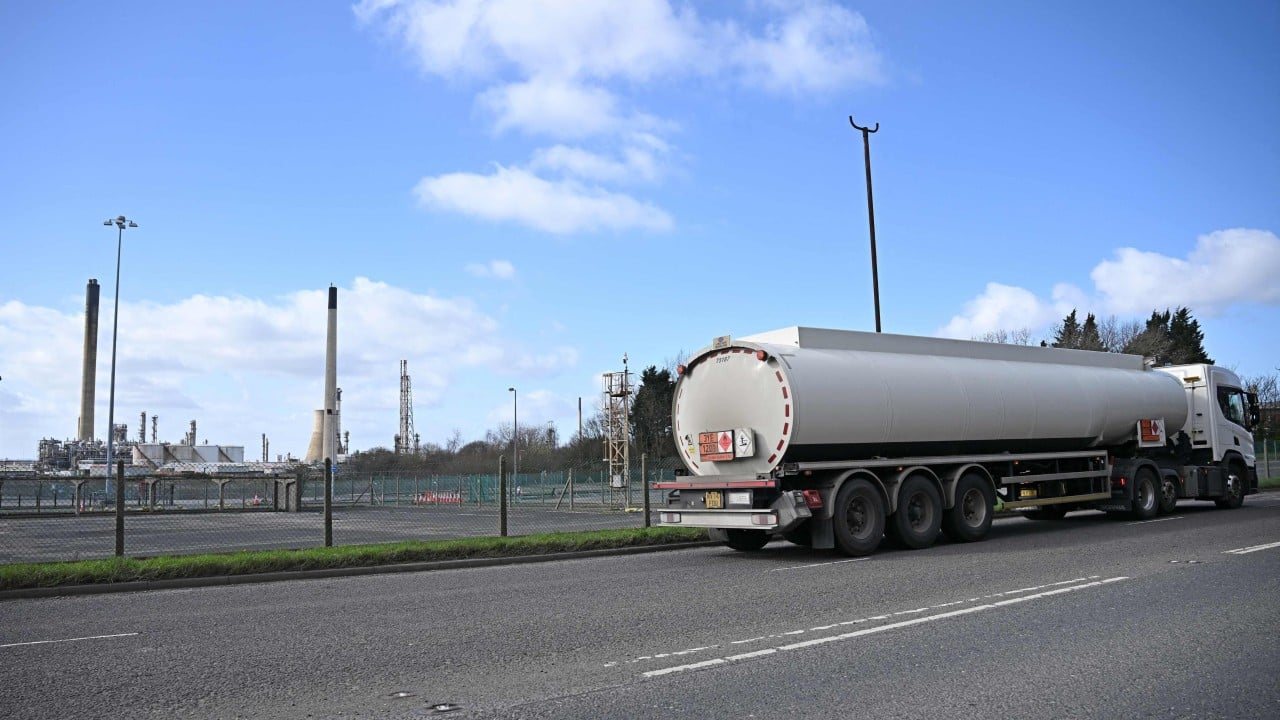
The International Energy Agency (IEA) just hit the panic button harder than it ever has. By greenlighting a 400 million barrel release of emergency oil reserves, the 32 member nations are trying to prevent a total global economic meltdown. If you've looked at a gas pump lately, you know the situation is ugly. This isn't just another minor adjustment to the market. It's more than double the 182.7 million barrels released back in 2022 when Russia invaded Ukraine.
You're probably wondering if this means gas prices will finally stop their vertical climb. The short answer is yes, but maybe not for as long as you'd like. This massive release aims to bridge the gap caused by the effectively closed Strait of Hormuz. When a fifth of the world's oil supply gets choked off because of a shooting war in the Middle East, a "record release" is the only tool left in the shed.
The Reality of 400 Million Barrels
Don't let the big number fool you into thinking the crisis is over. I've watched these market interventions for years, and they always follow a specific pattern. First, there's a relief rally where prices dip. Then, the reality of the physical shortage sets in.
Executive Director Fatih Birol didn't mince words when he said this is a major action to alleviate "immediate impacts." But let's look at the math. Roughly 15 million barrels of crude and 5 million barrels of refined products usually pass through that narrow strait every single day. The IEA's 400 million barrels sounds huge until you realize it covers about 20 days of that lost transit.
- France is throwing in 14.5 million barrels.
- Germany was asked for 19.7 million barrels.
- Japan starts its drawdown this coming Monday.
- Austria is tapping its reserves while expanding its gas storage.
The G7 nations are carrying 70% of the weight here. They're trying to signal to traders that they won't let the economy starve, but they're fighting a supply deficit that’s currently at 90% for Middle East exports.
Why This Release Is Different From 2022
When the IEA moved in 2022, the world was dealing with a sudden shift in where oil came from. This time, it's about oil simply being unable to move. Iran's attacks on commercial shipping and infrastructure have created a physical blockade. It's not just that the oil is expensive; it's that it can't get to the refineries.
Birol pointed out a detail many people are missing. Refinery operations are taking a massive hit, which is why jet fuel and diesel supplies are looking particularly shaky. If you're planning to fly or if you run a business that relies on shipping, the IEA's move is a temporary shield, not a permanent cure.
Germany is even considering a law to stop gas stations from hiking prices more than once a day. That tells you how volatile the ground level has become. When governments start talking about price-change frequency, they're worried about social unrest, not just "market sentiment."
The Participation Gap
I think it's worth noting that while the IEA is acting, huge players like India and China are sitting on the sidelines or doing their own thing. China has been quietly amassing its own massive stockpiles for years. India, the world's third-largest consumer, isn't part of this coordinated release. This limits how much of a dent the IEA can actually make in the global price.
Without a unified front that includes the biggest emerging consumers, the 400 million barrels might just get swallowed up by buyers who are terrified of a total cutoff.
What Happens When the Tanks Run Dry
There is a massive trade-off when you tap into strategic reserves. These are the "break glass in case of emergency" supplies. Right now, IEA members still hold about 1.2 billion barrels in public stocks, plus another 600 million in industry hands. We aren't out of oil yet.
However, every barrel we pull out today is a barrel we have to buy back later to refill the tanks. This creates a floor for future prices. Once the war ends or the strait reopens, all these nations will be back in the market as buyers to replenish their security margins. That's why some analysts are still predicting oil could hit $150 if the conflict drags on.
How You Should Prepare
If you're waiting for $3.00 gas to return next week, don't hold your breath. Expect a slight cooling of prices as this news hits the markets, but stay prepared for continued volatility.
- Lock in fuel costs if you run a business. Don't assume this downward pressure is the start of a long-term trend.
- Watch the Strait of Hormuz news more than the IEA headlines. The transit of those 20 million barrels a day is the only thing that actually ends the crisis.
- Audit your energy use now. Governments are releasing oil because the supply is 20% lower than global demand. That gap eventually leads to rationing or forced conservation if the war persists.
The IEA has done what it can. It's used its biggest weapon. Now, the world waits to see if a 20-day buffer is enough to outlast a war.