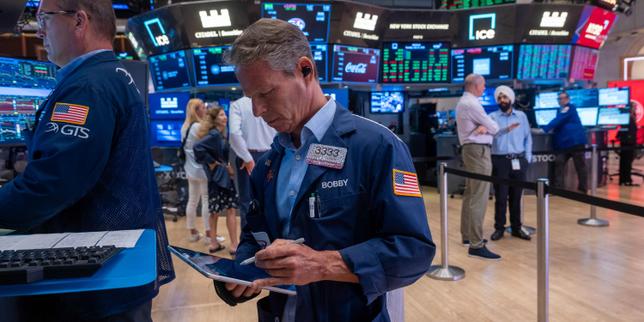
Financial commentators are sounding the alarm again. A drone strike near a shipping lane, a fiery headline about Red Sea disruptions, and suddenly every mainstream outlet predicts an immediate, runaway spike in crude prices. European officials issue grave warnings about a dangerous escalation, algorithms trigger automated buy orders, and retail traders rush to position for a prolonged supply crunch.
It is a familiar, reactionary cycle. It is also fundamentally flawed.
The narrative that maritime bottlenecks in the Middle East inevitably trigger a structural energy crisis ignores how global supply chains, dark fleets, and crude logistics actually operate today. Markets react to headlines because fear sells, but physical commodity flows tell a vastly different story.
The Illusion of the Red Sea Supply Bottleneck
Mainstream reporting treats the Bab el-Mandeb Strait as if it were a digital light switch for global oil distribution. The underlying assumption is simple: block the passage, choke off the volume, and watch prices skyrocket indefinitely.
That assumption ignores basic maritime reality.
When tanker traffic through the Suez Canal drops, oil does not simply disappear from the global balance sheet. It gets rerouted around the Cape of Good Hope. Rerouting adds roughly ten to fourteen days to a transit between the Persian Gulf and Northern Europe, consuming more bunker fuel and tightening available tanker capacity. That increases freight rates, insurance premiums, and localized spot prices.
It does not, however, destroy a single barrel of crude at the source.
An extra two weeks of waterborne transit represents a operational delay, not a physical supply deficit. The actual volume of oil exiting production wells in Saudi Arabia, Iraq, or the UAE remains unchanged. Unless production infrastructure on land is destroyed, the global market is dealing with a temporary lag in delivery times, not a genuine shortage of supply.
Why Algorithmic Trading Distorts Physical Reality
If physical supply remains stable, why do energy markets spike so aggressively on headline news? Look at who—or what—is placing the trades.
A vast portion of daily trading volume in crude futures is driven by systematic funds, trend-following algorithms, and high-frequency trading models. These systems monitor news feeds for high-risk phrases. When headlines flag attacks on tankers or military escalations, automated programs execute long positions within milliseconds.
- Headline Trigger: Quantitative algorithms buy futures contracts based on geopolitical keywords before physical market data is verified.
- Speculative Momentum: Short-term momentum buyers jump on the price movement, creating a artificial feedback loop.
- Physical Realignment: Refiners and physical traders refuse to pay inflated prices, causing futures prices to retreat as actual cargo deliveries continue.
I have watched desks flush millions down the drain by panic-buying Brent crude futures during initial news breaks, only to watch the market liquidate those gains 72 hours later when physical buyers refuse to pay the speculative markup.
The spot market eventually asserts control over the paper market. When physical refiners realize that inventories are sufficient and alternative shipping routes are functioning smoothly, the geopolitical risk premium evaporates.
The Structural Cushion Mainstream Media Ignores
The modern energy market possesses structural buffers that did not exist during the supply shocks of previous decades. Pundits who project sustained triple-digit crude prices based on transit disruptions routinely overlook three key factors.
1. Non-OPEC Production Capacity
Record output from Western Hemisphere producers—specifically the United States, Brazil, and Guyana—has altered the global balance of power. American shale producers can adjust output far faster than traditional deepwater assets, providing an ongoing counterweight to Middle Eastern transit vulnerabilities.
2. Spare Capacity Holdings
Major Gulf producers hold significant spare capacity that can be brought online or reallocated if a severe physical disruption occurs. Furthermore, strategic petroleum reserves across major consuming nations exist precisely to mitigate short-term logistical delays.
3. The Shadow Fleet and Re-Export Networks
A massive, decentralized network of dark fleet tankers now operates outside traditional maritime insurance networks. These vessels are custom-built to navigate geopolitical friction points, trade sanctions, and high-risk corridors. Crude continues to move across the globe regardless of official diplomatic statements or Western insurance bans.
The Real Cost Trade-Offs
Refusal to acknowledge these structural realities leads investors to misallocate capital. Taking a purely contrarian position without understanding the risks is equally dangerous.
Rerouting ships around Africa increases maritime emissions, strains global vessel availability, and drives up shipping container rates. The primary victim of Red Sea disruptions is not global oil availability; it is broader supply chain efficiency and localized freight costs.
| Shipping Metric | Standard Suez Transit | Cape of Good Hope Detour | Market Impact |
|---|---|---|---|
| Transit Time (Gulf to EU) | ~18-20 Days | ~30-34 Days | Increases localized spot premiums |
| Tanker Availability | Baseline | Tightened | Drives up charter rates globally |
| Physical Crude Availability | Unchanged | Unchanged | Zero long-term impact on global reserves |
When news anchors warn of an imminent global energy collapse caused by maritime bottlenecks, recognize the coverage for what it is: a surface-level reaction to a complex logistics issue.
Geopolitical tension creates friction, increases transit costs, and drives short-term volatility on trading floors. It does not alter the fundamental laws of physical supply and demand. Stop trading the headlines, ignore the speculative noise, and look at the actual volume of crude hitting the water.

/https://i.s3.glbimg.com/v1/AUTH_e84042ef78cb4708aeebdf1c68c6cbd6/internal_photos/bs/2026/g/B/3vpkvHQKizRKAfzDxjXA/vini-jr-antes-e-depois.jpg)