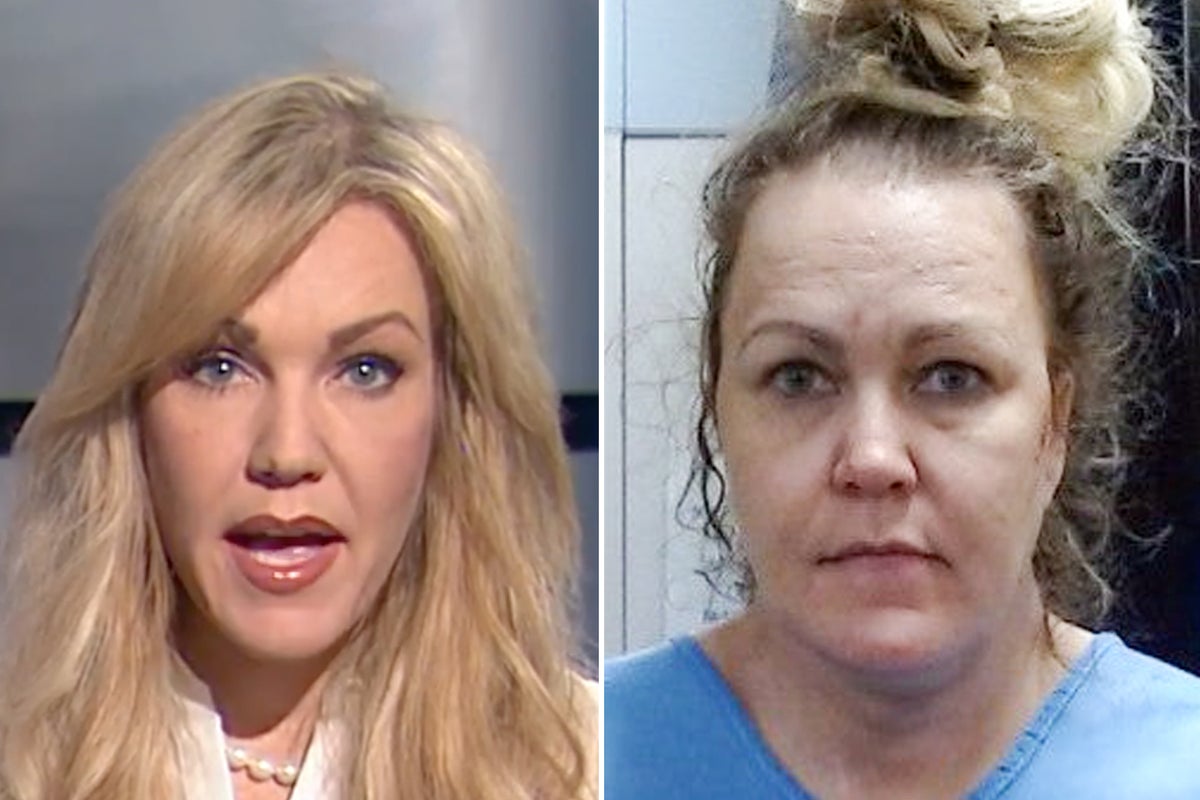
We love a neat narrative. Society consumes tragic headlines like fast food, desperate for a clean villain and an easily digestible moral lesson. When a former television news anchor stands accused of murdering her elderly mother on Halloween, the collective outrage machinery fires up instantly.
People point fingers at individual moral failure, mental instability, or the sudden snap of a strained psyche. They treat the event as an isolated anomaly, a grotesque outlier in an otherwise functioning system.
That perspective is lazy, cowardly, and entirely wrong.
What happened behind closed doors in that home is not just a bizarre crime story. It is the predictable, systemic endpoint of a caregiving infrastructure that has been hollowed out, ignored, and left to rot. When you trap families in unassisted isolation, strip away community support networks, and pretend that aging is a private burden rather than a shared social reality, catastrophic failures become mathematical certainties.
We need to stop acting shocked when the pressure cooker blows up after we welded the valves shut.
The Myth of the Individual Breakdown
For decades, the public discourse surrounding domestic tragedies has suffered from a severe lack of sociological imagination. We isolate the actor from the environment. We analyze the individual while ignoring the architecture that shaped every single step of their descent.
I have spent years interviewing families pushed to the absolute edge by long-term elder care responsibilities. I have seen executives quit their jobs, deplete their life savings, and sacrifice their marriages because the modern social safety net is an illusion.
When a commentator looks at a case like this and mutters about personal pathology, they are missing the forest for the burning tree. The human brain is not designed to absorb round-the-clock, uncompensated, high-stakes caregiving without structural relief.
- The economic cost of elder care routinely pushes middle-class families into bankruptcy.
- The emotional isolation of primary caregivers mimics the physiological markers of chronic trauma.
- The complete absence of institutional respite care leaves families stranded on an island with no rescue boats in sight.
To blame only the person holding the knife is like blaming the thermometer for the heat wave. It satisfies our need for a simple narrative, but it does nothing to prevent the next tragedy.
The Caregiving Industry is Built on Denied Reality
Let us look at the actual data. The economic valuation of unpaid family caregiving runs into the hundreds of billions of dollars annually. Governments and corporations quietly rely on this free labor pool to keep the healthcare system from complete collapse.
If you had to pay professional wages for every hour of care provided by daughters, sons, and spouses, the economy would grind to a halt.
Yet, society treats caregiving as a personal hobby rather than a grueling, professionalized labor category. We offer zero training, zero hazard pay, and zero psychological infrastructure to people who suddenly find themselves acting as nurses, physical therapists, and hospice directors for their aging parents.
Imagine a scenario where we treated commercial airline pilots the way we treat family caregivers. We would hand an untrained person the keys to a jumbo jet, tell them to figure it out as they go, and then express absolute moral outrage when the plane crashes due to pilot fatigue.
The absurdity of that analogy matches the reality of domestic elder care today.
Dismantling the Comforting Lies We Tell Ourselves
People ask how someone with a successful public career could reach such a horrific breaking point. The question itself exposes our profound misunderstanding of burnout.
Success on television or in the corporate world does not inoculate a person against biological exhaustion. In fact, high-achieving individuals often internalize the pressure to manage everything independently, hiding their distress behind a veneer of competence until the point of total structural failure.
When we discuss these tragedies, we must confront the uncomfortable truths that nobody wants to whisper in polite company:
- Love does not replace professional care. The sentimental notion that family devotion can conquer advanced cognitive decline or physical dependency is a dangerous fairytale.
- Respite is not a luxury. Treating breaks for caregivers as optional treats rather than mandatory medical interventions is a policy failure.
- Isolation kills. The moment a family becomes trapped behind closed doors to manage elder care alone, the risk matrix spikes exponentially.
There are no easy solutions here, and my contrarian approach offers no comforting platitudes. Admitting that our social infrastructure is broken requires us to radically restructure how we fund elder care, support family units, and share the collective burden of aging populations.
As long as we pretend that domestic tragedies are merely the result of bad individuals rather than broken systems, we are simply waiting for the next headline to shock us all over again.
Stop looking for monsters under the bed when the house itself is on fire.