Every time an experienced contractor, a seasoned executive, or a beloved local figure dies chasing peaks in places like Sequoia National Park, the media machine runs the exact same script. We get the soft-focus memorial photos, the tributes about living life to the fullest, and the collective bowing of heads to honor someone who died doing what they loved.
It is a comforting narrative. It is also a dangerous delusion.
When Jeff Bennett, a Fresno contractor who built a minor public profile through HGTV appearances, perished while hiking in Sequoia National Park, the public response followed the predictable emotional template. People talked about the unpredictability of nature, the hazards of the trail, and the tragic irony of a builder of physical structures falling in the unbuilt wild.
Let us drop the polite fiction. Nature did not murder Jeff Bennett. His own hubris, reinforced by an entire culture that treats the backcountry as a personal playground for self-actualization, did the heavy lifting.
We have romanticized the calculated risk into a moral imperative. If you sit on your couch, you are lazy. If you strap heavy boots to your feet, ignore shifting weather patterns, and challenge high-altitude alpine zones with inadequate preparation or solo hubris, you are viewed as a hero of the human spirit—right up until the search and rescue helicopter pulls your body off the granite.
I have spent two decades watching high-achieving professionals treat the wilderness like a weekend stress-relief valve, bringing the exact same invincible corporate mindset to the Sierra Nevada that they bring to a commercial construction site. They think grit substitutes for prudence. It does not.
The Myth of the Controlled Environment
The lazy consensus in every single news report following a high-profile wilderness fatality is that the outdoors is an equalizer. It humbles everyone.
That is nonsense. The outdoors does not care about you, and it certainly does not humble anyone; it simply kills them and lets the county sheriff handle the paperwork.
When a successful contractor or entrepreneur hits the trail, they are conditioned by decades of professional success to believe that every problem has a workaround. Miss a deadline? Throw capital and labor at it. Encounter a structural engineering flaw? Redesign on the fly.
You cannot redesign a granite cliff face at ten thousand feet when a storm front drops temperatures by forty degrees in twenty minutes. You cannot negotiate with hypothermia because your ego told you that packing an extra fleece layer was for amateurs.
We need to talk about the toxic crossover between modern hustle culture and outdoor recreation. People take zero days off a year, work seventy hours a week staring at screens, and then decide their bodies are machines capable of dropping into extreme alpine environments with zero acclimatization, inadequate hydration strategies, and a complete disregard for local topography.
When things go sideways, the blame is assigned to bad luck. Bad luck is almost always a polite euphemism for bad decision-making compounded by arrogance.
Who Pays for Your Epiphany
Let us address the cost that nobody in the glowing tribute articles ever wants to tabulate: the real-world operational burden of recreational narcissism.
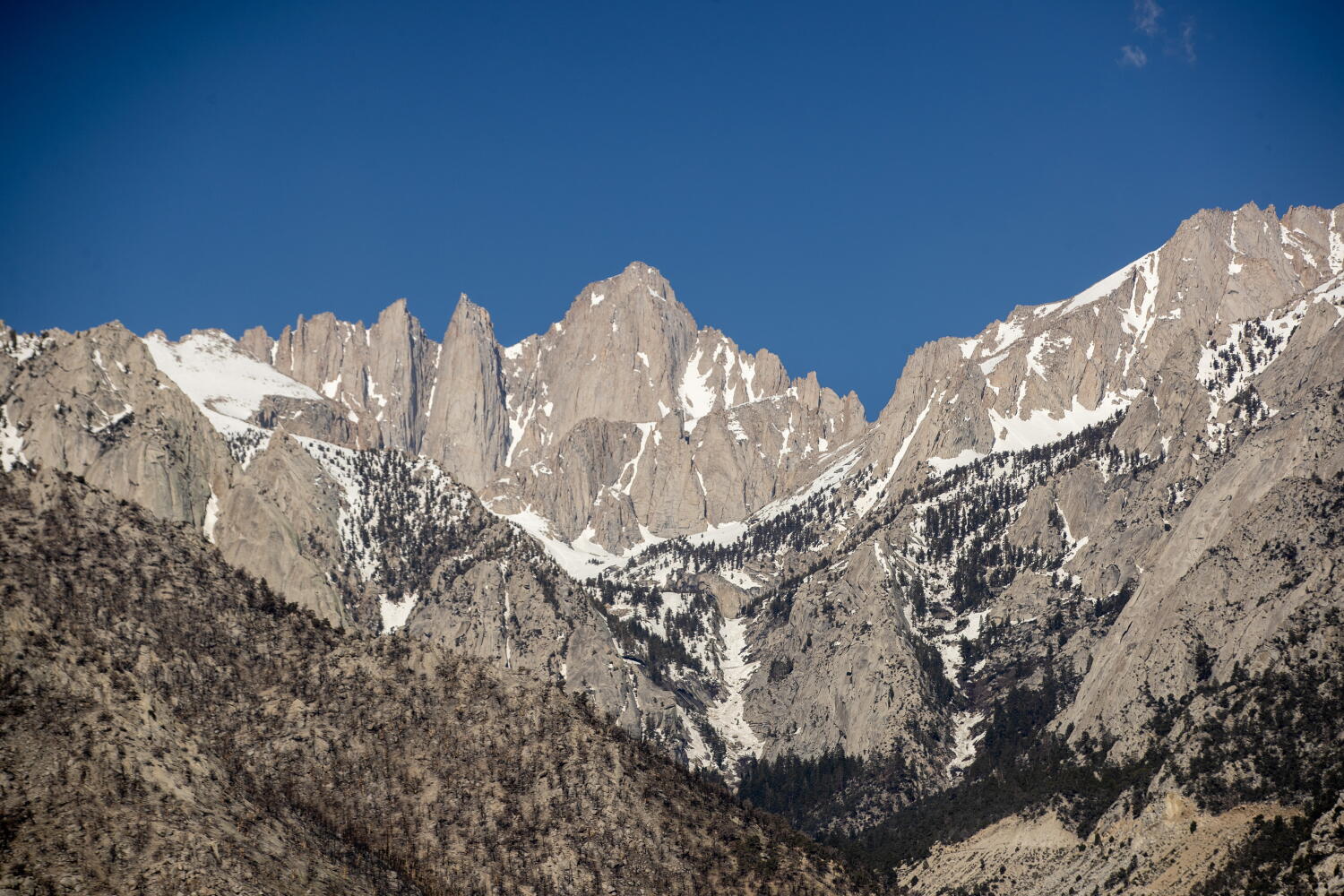
Search and Rescue teams in places like Sequoia, Kings Canyon, and Yosemite are predominantly volunteers or chronically underfunded public servants. They risk their lives pulling dehydrated executives, unprepared contractors, and weekend warriors out of ravines because someone wanted a cinematic Instagram story or a quiet weekend away from their inbox.
Every time a rescue team launches a helicopter into a gorge because an adult male ignored obvious warning signs, public resources are drained. Families of local residents lose fathers, mothers, and siblings who volunteer for these missions. Yet, if you point this out, the internet brands you as callous.
We are not allowed to interrogate the ethics of personal risk-taking because society has bought into the marketing lie that the wilderness belongs to whoever has the courage to conquer it.
The wilderness does not belong to you. It tolerates you until you make a stupid mistake.
Jeff Bennett was undoubtedly a talented builder. He shaped physical spaces in the Central Valley, managed complex projects, and provided jobs. That makes his loss painful for his community. But constructing a house requires adherence to building codes, physics, and strict regulatory realities. The moment he stepped onto a remote mountain trail, he abandoned those exact principles of risk management, trading engineering reality for romantic escapism.
The Dangerous Allure of Going It Alone
One of the most persistent tropes in outdoor culture is the solo trek. We praise the lone wolf. We celebrate the person who tackles technical terrain without a partner because it proves their self-reliance.
This is psychological poison.
In business, no sane operator works in a complete vacuum without an advisory board, a co-founder, or a team checking their blind spots. Yet in the mountains, solo adventuring is marketed as the ultimate expression of freedom.
It is not freedom. It is a statistical gamble where the house always wins eventually.
When you hike alone in a national park with unpredictable alpine weather, a twisted ankle, a minor slip, or a sudden medical event stops being an inconvenience and becomes a death sentence. There is no one to administer first aid, no one to share body heat, and no one to run for help while you stay put.
We need to stop praising the lone wanderer. Self-reliance in the backcountry is often just an expensive synonym for poor risk assessment. Real competence looks like redundancy, conservatism, and the humility to turn around when the conditions turn sour.
Dismantling the Memorial Industrial Complex
Whenever a tragedy occurs in our national parks, the news cycle rushes to sanitize the event. We turn human error into a poetic act of nature taking back one of her own.
This serves nobody. It ensures that the next contractor, the next tech executive, and the next weekend warrior will head into the mountains with the exact same unearned confidence that got the last person killed.
If we genuinely respect the people we lose to the backcountry, we need to honor them with brutal honesty, not hollow platitudes.
Stop treating bad decision-making like a spiritual journey. Stop treating preparation as optional if you have enough grit. And for the love of sanity, stop treating the high country as a therapeutic backyard where your daily stress justifies throwing caution into an abyss.
The mountains are indifferent. They do not care about your HGTV segment, your business portfolio, or your need to escape the grind.
Respect the terrain, check your ego at the trailhead, or stay home.