The Middle East is burning through another fragile cycle of escalation, and nobody in the region wants to stay in the crossfire. Regional powers are scrambling to find a viable off ramp from the ongoing war involving Iran, the United States, and Israel, even as fresh maritime attacks rock critical global trade routes.
If you look past the official press releases, the reality on the ground is exhausting. Tankers are still catching fire in the Strait of Hormuz. Washington keeps tightening economic sanctions, and Tehran keeps dismissing them as political theater. Meanwhile, neighbouring capitals are working overtime behind closed doors to prevent a total regional collapse.
The Chokepoint Crisis in the Strait of Hormuz
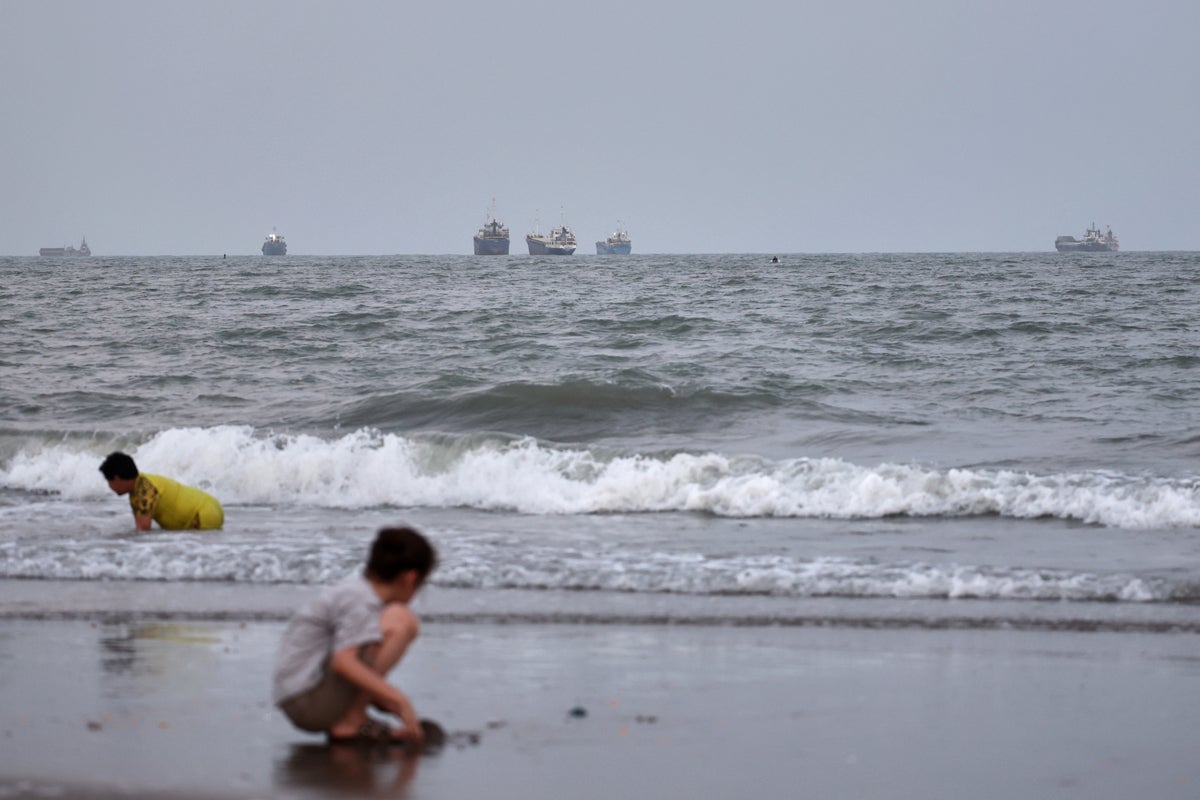
Shipping lanes don't care about political posturing. When a vessel gets hit by an unknown projectile between Oman and Iran, global energy markets twitch. This isn't just about localized skirmishes; it's about a choke point that feeds the global economy.
Oman and Iran are reportedly deep into talks to manage shipping traffic independently, trying to bypass Western naval blockades and unilateral enforcement. At the same time, Pakistani military and diplomatic officials are shuttling back and forth to Tehran. They are trying to revive previous memorandums of understanding that could get commercial transit moving again safely.
Qatar is stepping into the diplomatic ring too. High-level visits to Tehran focus explicitly on de-escalation and restoring freedom of navigation. But diplomacy moves at a snail's pace while military friction happens in seconds.
Why Washington and Tehran Remain Deadlocked
The core problem is that neither side wants to blink first. The U.S. administration is leaning hard into economic pressure, which Iranian officials mock as a coalition of nations with virtually zero trade leverage. Tehran is openly thanking external partners like China for rejecting American sanctions, signaling that they have economic breathing room despite the blockade.
On the ground, the humanitarian and political fallout keeps spreading. In Gaza, despite U.S.-brokered frameworks and ongoing talks monitored by figures like Nickolay Mladenov, the gap between paper agreements and actual military strikes remains dangerously wide. Israeli leadership insists on specific security conditions like disarmament before reconstruction can begin, keeping the pressure cooker sealed tight.
Diplomatic channels are wide open, but trust is entirely broken. Regional capitals know that if they don't broker a permanent off-ramp soon, the next miscalculation in the Gulf could drag the entire international community into an unmanageable economic shock. Watch the back-channel talks in Muscat and Doha closely because that is where the real future of the region is currently being negotiated.