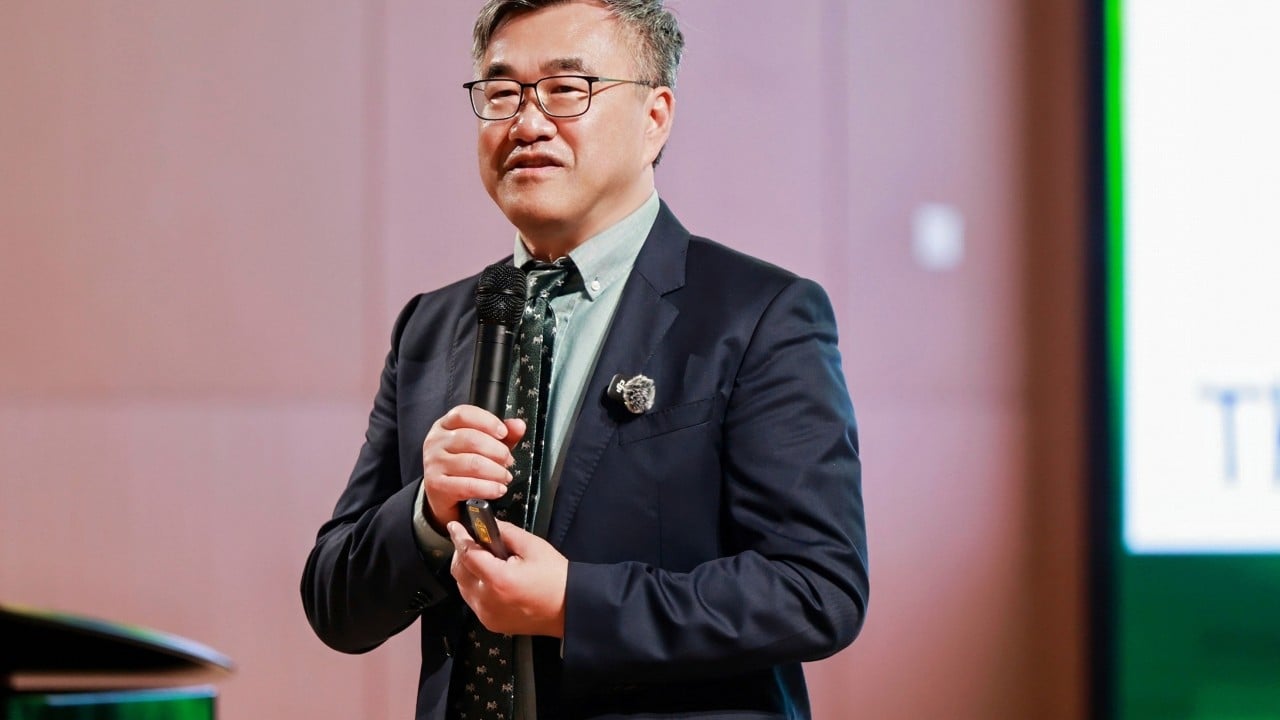
Dr. Ren-Ke Li died on October 10, 2026, at age 65, while attending a scientific meeting in Xi'an, China.
That sentence hits hard if you follow cardiovascular science. Li wasn't just another academic churning out papers for tenure. Born in Harbin in 1961, he spent decades trying to answer a stubborn medical question: once a heart attack scars and weakens heart muscle, can we actually rebuild what was lost?
News coverage of his sudden passing at the conference naturally zeroes in on the tragedy of losing a prominent researcher mid-career. Fair enough. Yet reducing his legacy to a headline about a conference death misses the messy, fascinating science he spent over thirty years building between Toronto and China.
Why Heart Muscle Doesn't Bounce Back on Its Own
When you cut your skin, your body patches it up. When you fracture a bone, osteoblasts lay down fresh matrix and knit things back together.
The human heart doesn't play by those rules.
After a myocardial infarction—a heart attack—deprives cardiac tissue of oxygen, cardiomyocytes die off. Instead of growing brand-new beating muscle cells in large numbers, the body lays down stiff scar tissue. That scar doesn't contract properly, and it can block electrical signals, setting the stage for progressive heart failure and dangerous arrhythmias.
Standard cardiology drugs and devices manage symptoms, lower workload, or pace rhythm. They're indispensable, honestly. Still, they don't replace dead heart muscle. That gap is where Ren-Ke Li built his entire scientific identity.
Trained first as an MD at Harbin Medical University and earning an MHSc at Shanxi Medical University before moving to Canada for his MSc and PhD in Clinical Biochemistry at the University of Toronto, Li bridged clinical medicine, biochemistry, and bioengineering. He rose to Full Professor at the University of Toronto, became a Senior Scientist at the Toronto General Hospital Research Institute within University Health Network, and held a Tier I Canada Research Chair in Cardiac Regeneration. Later, in 2025, he took on a major leadership role as Presidential Chair Professor and Associate Dean for Research and Translation at the Chinese University of Hong Kong, Shenzhen School of Medicine, while remaining Professor Emeritus in Toronto.
His honors reflected that cross-border reach: Fellow of the Canadian Academy of Health Sciences in 2011, Fellow of the Royal Society of Canada in 2024, and Fellow of the Canadian Academy of Engineering in 2025.
From Cell Transplants to Rejuvenation and Conductive Scaffolds
A lot of people assume cardiac stem cell research is a straight line from petri dish to hospital bed. It isn't. Anyone who has watched regenerative medicine up close knows how many walls scientists hit along the way.
Li's own work evolved across distinct phases—moving from repair to regeneration to rejuvenation, alongside tissue engineering and biomaterials.
Early on, transplanting cells into injured myocardium looked promising in controlled lab settings. Yet translating those gains into older human patients proved much trickier than hoped.
Why? Age changes the biological playing field. Heart failure hits older adults hardest, yet older bodies have fewer, less vigorous stem cells. In interviews with the Heart and Stroke Foundation, Li pointed directly to that mismatch: therapies modeled on vigorous cells can run into trouble when the patient's own stem cell pool is aged and worn down.
Instead of walking away, his lab spent years investigating how to rejuvenate aging stem cells and improve how grafts survive and integrate. He also pushed into conductive biomaterials—engineered materials designed to bridge electrical conduction across scarred heart tissue so muscle cells can beat in better synchrony. Think of a traffic detour that restores flow across a washed-out bridge rather than leaving cars stuck on either side.
And his lab didn't stop at cardiac muscle. In recent years, work connected to his research program explored engineered mesenchymal stem cells as living carriers for targeted drug delivery in fibrotic tissue, as well as microbubble platforms for targeted gene delivery and cytokine-enriched biomaterials to support tissue formation.
The Hard Truth About Stem Cell Hype vs. Clinical Reality
If you read hype online, you'd think stem cells cure everything by Tuesday. Let's be real: they don't.
Even when a scientist has over two hundred peer-reviewed publications and regulatory milestones to their name, turning a clever biological mechanism into a safe, affordable, widely available human therapy takes years—often decades—of testing. Cells can struggle to survive in hostile, low-oxygen scar tissue. Electrical integration is notoriously finicky. Immune responses and aging microenvironments complicate outcomes.
That tension is part of why Li's career matters so much right now. Real progress in heart regeneration doesn't come from miracle claims. It comes from admitting when a trial falls short in older patients, going back to the bench, and engineering better solutions.
What Readers and Researchers Can Take Away Now
Losing a senior scientist at 65—especially one actively connecting research ecosystems in North America and China—leaves a real void in mentorship and translational leadership. If you're following cardiovascular science, working in biomedical research, or looking for reliable information on heart repair, a few practical steps can keep you grounded:
- Read primary institutional releases alongside news reports: Check tributes and research summaries from the University of Toronto Department of Surgery and CUHK-Shenzhen School of Medicine to separate verified scientific milestones from quick breaking-news summaries.
- Distinguish preclinical promise from approved care: When you see headlines about stem cells or bioengineered patches for heart failure, check whether the data comes from animal models, early safety trials, or large late-stage human studies.
- Focus on proven heart protection today: While regenerative therapies like cell rejuvenation and conductive biomaterials continue advancing through research pipelines, daily cardiovascular fundamentals—blood pressure control, lipid management, physical activity, and following prescribed heart-failure regimens—remain the most dependable ways to protect heart muscle right now.
World-leading cardiovascular expert passes away suddenly while covers the news of Professor Li Renke passing away during a scientific conference while highlighting his work using stem cell transplantation for heart failure.