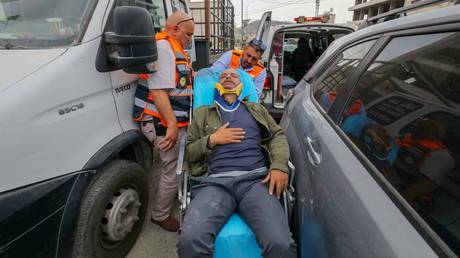
The camera is supposed to be a shield, or at least a clear identifier that separates an objective observer from a combatant. But on a dusty road near the West Bank town of Aqraba, that shield failed entirely. Jaafar Ashtiyeh, a veteran photographer working for Agence France-Presse, found himself cornered, beaten with rifle butts, and stripped of his professional gear while documenting routine seasonal violence against Palestinian olive farmers.
What makes this incident stand out isn't just the brutality of the assault itself. It is the chilling context of passive bystanders. Around a dozen armed Israeli soldiers stood roughly five hundred meters away, watching the attack unfold without lifting a finger to intervene. This growing impunity exposes a grim reality for media workers trying to cover the occupied territories.
The Anatomy of the West Bank Press Crackdown
When you look at the statistics compiled by groups like the Committee to Protect Journalists, the danger facing media personnel becomes staggering. In recent years, conflict zones have grown increasingly hostile toward independent verification. The West Bank, in particular, has transformed into an environment where documenting daily friction points—such as the destruction of ancient olive groves during harvest season—carries extreme personal risk.
Ashtiyeh was wearing clear press insignia when he was targeted. According to fellow photojournalist John Wessels, who witnessed the harrowing episode, attackers quickly escalated from verbal threats at gunpoint to physical blows. The assailants didn't just want to stop the recording; they wanted the equipment. They stole Ashtiyeh's cameras, effectively trying to erase the visual evidence of the altercation.
The assault left Ashtiyeh hospitalized in Nablus with severe bruising to his head and torso. While medical scans cleared him of broken bones, the psychological and professional toll of being hunted down for doing basic journalism lingers.
Why Impunity Is Becoming the Standard
The silence of the military units stationed nearby points to a systemic breakdown in accountability. International press freedom organizations, including the International Federation of Journalists, have repeatedly condemned these incidents, pointing out that lack of enforcement encourages repeat offenses. When perpetrators realize they can assault journalists in broad daylight within view of armed forces and face zero legal consequences, the violence only accelerates.
This climate creates an information vacuum. Local reporters and international agency crews face a terrible choice: risk physical survival to document ground truths or pull back and let entire communities suffer documentation blackouts.
The physical risks aren't restricted to sudden beatings either. Journalists across the region frequently navigate tear gas, live fire, arbitrary detentions, and equipment confiscations. Every time a photographer's gear is smashed or stolen, the global public loses another set of eyes and ears on the ground.
Protecting the Storytellers
Media agencies face hard operational choices moving forward. Relying on high-visibility vests and press badges is no longer an effective safety precaution when those very markers turn reporters into primary targets. Security protocols now require buddy systems, advanced tactical awareness training, and real-time tracking, even for routine feature assignments like the agricultural harvests.
Without genuine independent investigations and real legal penalties for aggressors, the safety of independent media in the region will continue to deteriorate. The world relies on these frontline workers to bring out verified facts. When those messengers are beaten into silence while security forces look the other way, the truth is the first casualty.