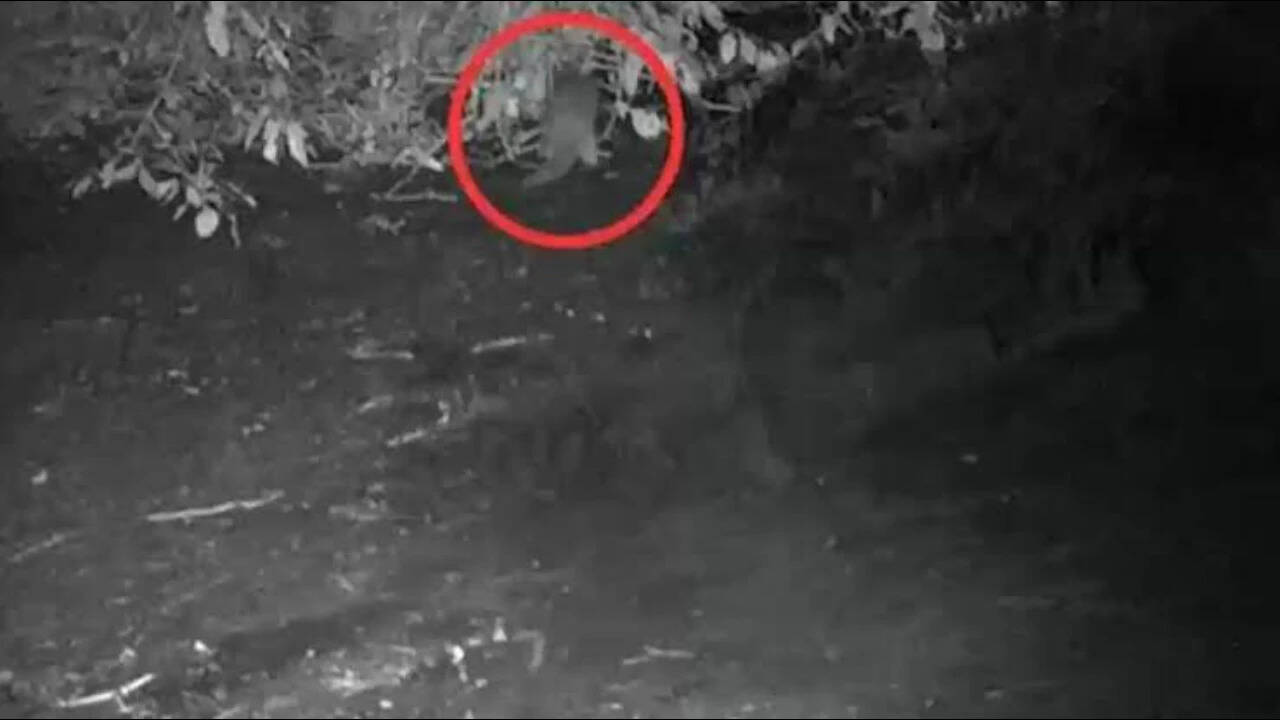
A century. That is how long New Yorkers waited to see a North American river otter swimming in the Bronx River. For the better part of a hundred years, this urban waterway was a dumping ground for industrial waste and sewage. Wildlife didn't just stay away. They couldn't survive.
When reports surfaced that an otter had been spotted navigating these waters, people were skeptical. It sounded like an urban legend. But the sightings were real. This isn't just a feel-good news story about a cute animal. It’s a massive signal that the decades-long push to restore one of the city's most neglected natural resources is working. Recently making news in this space: The Art of Letting Go Inside the University Convocation.
The Bronx River Transformation
For decades, the Bronx River was effectively a toxic pipe. Auto parts, shopping carts, and industrial chemicals defined the bed of the river. If you were around in the 1970s or 80s, you knew better than to go near the water. The smell alone told you the ecosystem was dead.
The reversal didn't happen overnight. It started with community-led grassroots efforts. Organizations like the Bronx River Alliance didn't wait for a miracle. They started pulling trash out of the water by hand. They demanded better regulations for runoff and sewage overflows. More insights regarding the matter are explored by The Spruce.
River otters are what biologists call an indicator species. They are picky eaters. They need clean water, plenty of fish, and a stable environment to build their dens. They don't hang out in toxic sludge. Their presence in the Bronx proves that the water quality has hit a threshold where complex, predatory mammals can actually thrive. It’s not just clean enough to look at; it’s clean enough to support a food chain.
Why Urban Wildlife Is More Than Just A Novelty
You might wonder why we should care about one otter. After all, it's just a wild animal in a city of eight million people. But urban biodiversity is a critical component of climate resilience.
When you have a healthy river, you have a natural buffer against flooding. Native plants and healthy riverbanks absorb storm surges. The otters are just the most visible part of a larger, invisible comeback. Fish populations are rebounding. Amphibians are returning. Every time we bring a piece of nature back into the city, we make the city safer and more habitable for ourselves.
Don't mistake this for a total victory. The river is still far from pristine. Runoff from heavy rains still dumps pollutants into the waterway. Urban wildlife in the Bronx faces constant threats from traffic, habitat fragmentation, and lingering soil contaminants. The otter didn't magically fix the Bronx River. It just reminded us that nature is desperate to come back if we give it half a chance.
What You Should Know About River Otters
If you are hoping to catch a glimpse of these animals, slow down. They are incredibly elusive. You aren't going to find them by walking along the most crowded parts of the greenway on a Saturday afternoon.
River otters are crepuscular. That means they are most active at dawn and dusk. If you want to see them, you need to be quiet. Leave the headphones at home. Wear muted colors. Stay still near areas with overhanging banks or thick vegetation where they might hide.
People often make the mistake of trying to feed them or getting too close for a photograph. Don't do that. These are predators. They have sharp teeth and they are defensive if they feel cornered. They are wild animals, not pets. Treating them like a local attraction is the fastest way to drive them back out of the area.
The Reality Of Ecological Restoration
The return of the otter is a success story, but it’s fragile. The biggest threat to this comeback isn't just pollution. It's apathy. When people see a headline about an otter, they think the job is done. They assume the river is "fixed."
It isn't. The Bronx River Alliance and local volunteers are still working every single day to remove invasive species and prevent illegal dumping. The moment we stop paying attention to the water quality and the surrounding parkland, we risk losing the gains we have made.
If you live in the area, stop treating the river like a backyard drain. Participate in a community cleanup event. It sounds small, but it’s exactly how this progress started. If you're visiting, pack out whatever you bring in. It sounds basic, but you would be shocked at how much trash still ends up in the water every single weekend.
The otter is a visitor. Whether it stays depends entirely on how we treat the riverbed and the banks over the next few years. We have the data and the momentum. Now we just need to keep showing up. Stay engaged, keep the pressure on local officials regarding water quality standards, and keep your eyes on the water.