Another day, another manufactured linguistic controversy in Malaysia. This time, prominent local preacher Ridhuan Tee Abdullah decided to target a seasonal Chinese festival banner, and the internet didn't hold back.
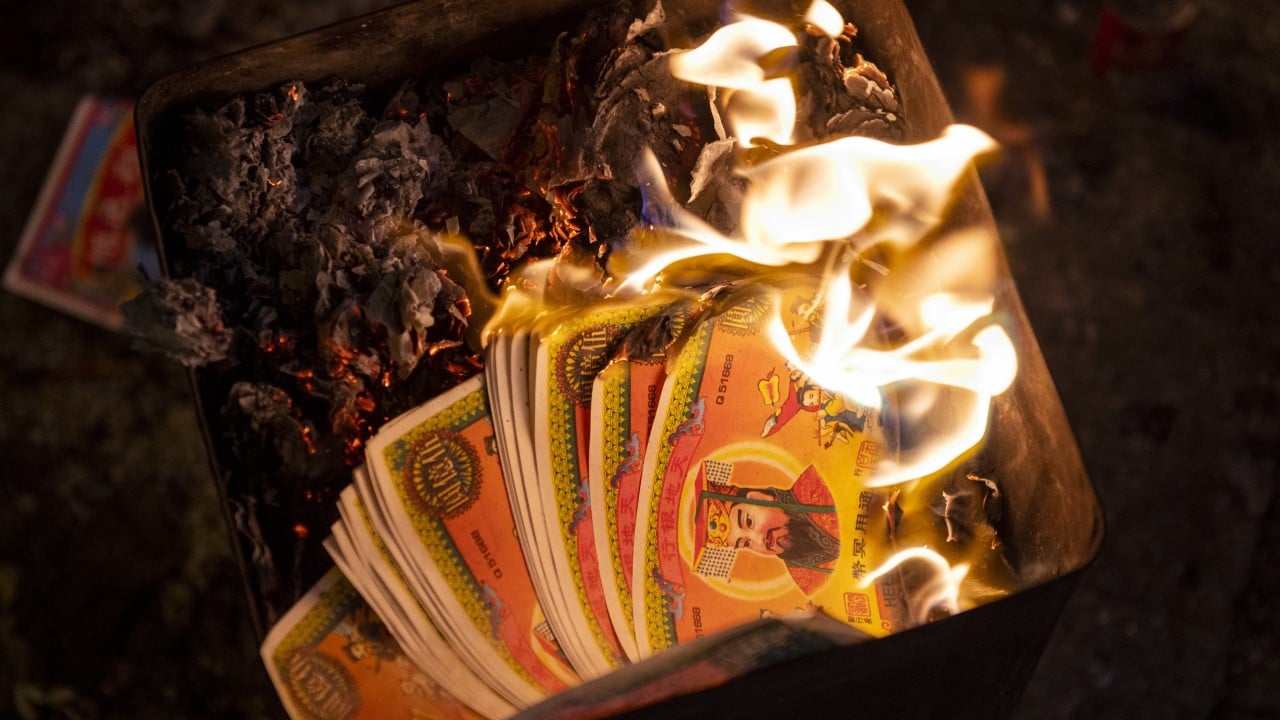
If you spend any time tracking Malaysian public discourse, you know how quickly cultural and religious sensitivities get weaponized online. Ridhuan posted a picture on Threads questioning a Hungry Ghost Festival banner and accompanying flags displayed at a junction in Taman Kosas, Ampang. His core grievance? The text was entirely in Chinese, prompting him to publicly ask if the area had turned into China and whether local authorities were sleeping on the status of Bahasa Melayu. Read more on a related topic: this related article.
Predictably, the post blew up. It didn't take long for the backlash to arrive in waves.
Missing the Point on Cultural Context
The fundamental flaw in Ridhuan’s public outburst lies in a basic misunderstanding—or willful ignorance—of target communication. Local community event notices are designed for specific audiences. A festival banner for the Hungry Ghost Festival isn't meant to address the general public or invite government administrative policy changes; it is a localized notification for the Chinese community observing the seventh lunar month rituals. Additional reporting by Al Jazeera highlights related views on the subject.
Expecting a traditional ritual notice to feature dominant national language translations meant for civic governance shows a strange detachment from how multicultural neighborhoods actually operate. Netizens immediately pointed out the obvious. If you write a neighborhood prayer notice in Malay, you risk confusing other communities into thinking it is an open civic or religious event for everyone.
Political Pushback and Local Realities
The online mockery wasn't just coming from everyday social media users. Local politicians also stepped in to shut down the rhetoric. Syed Ahmad Abdul Rahman Alhadad—better known as rapper-turned-politician Altimet, who serves as the Lembah Jaya assemblyman—publicly addressed the issue.
Altimet noted that cultural differences shouldn't be dragged into the mud to manufacture racial friction. He pointed out the core charitable and communal values behind the festival itself, emphasizing remembrance of ancestors and compassion. While local council bylaws require proper adherence to language rules for official commercial advertising, turning a localized neighborhood religious marker into a national security threat serves zero purpose other than chasing social media algorithms.
Why These Outbursts Keep Happening
Figures like Ridhuan thrive on creating artificial cultural panic. By framing everyday multicultural realities as an attack on the national identity, they manufacture easy outrage. It is a tired playbook. Whenever community traditions pop up publicly, a vocal segment of commentators rushes to police how other groups practice their heritage.
Yet, the public response to this specific incident shows a positive shift. Instead of cowering or letting the narrative run wild, everyday Malaysians and local leaders pushed back hard with logic, historical context, and a heavy dose of sarcasm. They exposed the absurdity of demanding that ancestral ghost festival offerings be translated for demographic groups who aren't even part of the practice.
If you want a functioning multicultural society, you have to tolerate the basic visibility of different traditions. Stop manufacturing outrage over routine cultural banners and let local communities observe their customs in peace.