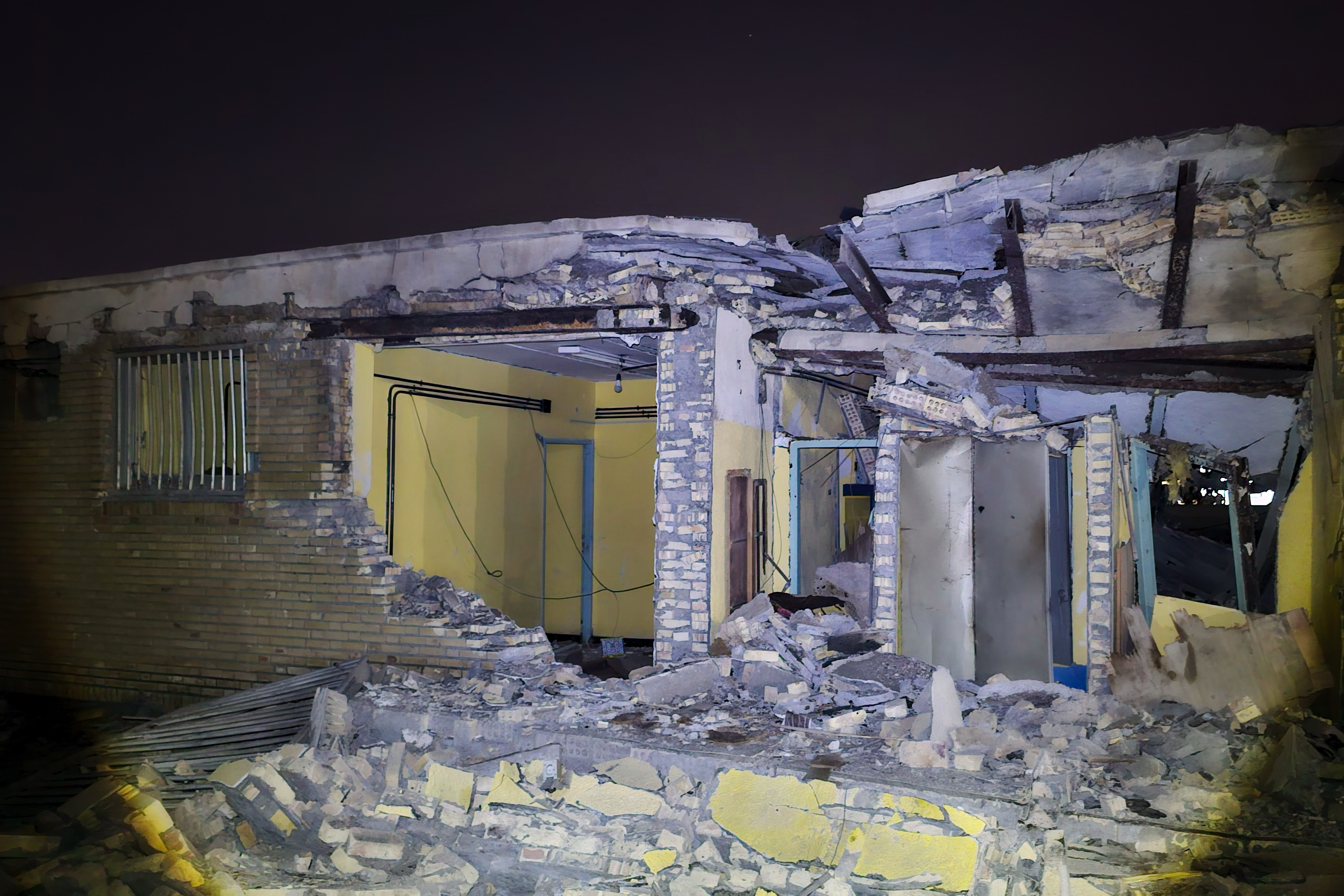
Water does not care about borders. It does not pause to read official decrees, nor does it check property deeds before it swallows a doorway. It simply moves, driven by gravity and an ancient, heavy weight, carrying mud, stones, and the wreckage of ordinary lives.
When the Prime Minister of Nepal stood before microphones to link the catastrophic floods tearing through his country directly to climate change, he was not speaking in the cautious jargon of international summits. He was talking about survival. He was talking about a nation caught in the crosshairs of an atmospheric shift that turns life-giving monsoon rains into engines of destruction. Meanwhile, you can find related stories here: Structural Collapse Under Siege The Mechanics of Emergency Response Failure.
Listen.
That is the sound of the Arun River rising three feet in an hour. To see the complete picture, check out the detailed report by The Guardian.
Picture Ram, a hypothetical small-scale farmer whose maize fields once lined the fertile banks of a Himalayan valley. Ram is not a climatologist. He does not study parts per million of carbon dioxide or debate energy policy over coffee. But Ram knows his grandfather never had to rebuild their stone home twice in one decade. Ram knows the monsoon used to arrive with a predictable rhythm, a steady drumbeat that nourished the soil rather than washing it entirely into the valleys below.
Today, that rhythm is broken.
The physical reality of Nepal makes it uniquely vulnerable to these sudden shocks. The geography is a dramatic, vertical world of towering peaks and steep river basins. When torrential downpours strike these fragile slopes, water cascades downward with terrifying momentum. It strips topsoil, triggers massive landslides, and chokes riverbeds with debris until they spill over their banks. Whole villages vanish in minutes. Bridges snap like dry twigs.
Scientists call this extreme weather amplification. We can call it what it feels like: an unravelling.
When global temperatures rise, the atmosphere holds more moisture. Think of a sponge. The warmer the air, the more water it sucks up from warming oceans, until it can hold no more and wrings itself out over fragile mountain ecosystems in violent, concentrated bursts. What used to take three weeks of steady rain now falls in three hours.
The Prime Minister’s stark warning cuts through the diplomatic noise because it highlights a bitter global injustice. Nepal contributes a minuscule fraction of global greenhouse gas emissions. Yet, its people pay with their homes, their livelihoods, and their lives for an industrial machinery powered thousands of miles away. Glaciers in the Himalayas are melting at an unprecedented rate, forming unstable glacial lakes that threaten to burst their natural dams in catastrophic outburst floods. Downstream, communities sit in the path of ticking water bombs.
We often treat climate change as a distant abstract concept. A graph on a screen. A projection for the year 2050.
But ask anyone standing ankle-deep in silt where their living room used to be. For them, 2050 is right now.
Consider what happens next. When the floodwaters recede, they leave behind layers of grey mud that bake hard under the sun, rendering agricultural land useless. Wells are contaminated with sewage and debris, cutting off clean drinking water. Roads are washed away, isolating mountain communities from emergency medical care and food supplies. The immediate danger of drowning gives way to the slow-burning crises of displacement, waterborne disease, and economic ruin.
It is easy to feel overwhelmed by the scale of it all. The atmosphere feels too vast to fix, the political will too sluggish to matter. Doubt creeps in. What can one person do against the weight of a changing planet?
Yet, acknowledging the reality of the crisis is the first step toward demanding accountability. When leaders like Nepal's Prime Minister draw a direct line between global emissions and local catastrophe, they are tearing down the wall of deniability. They are forcing the world to look at the human cost written in mud and tears across the Himalayan foothills.
The rain will fall again. The monsoons will return.
Whether they bring life or devastation depends entirely on how quickly the world heeds the warning echoing from the mountains.
The river keeps rising.