The Ghost in the Cabinet
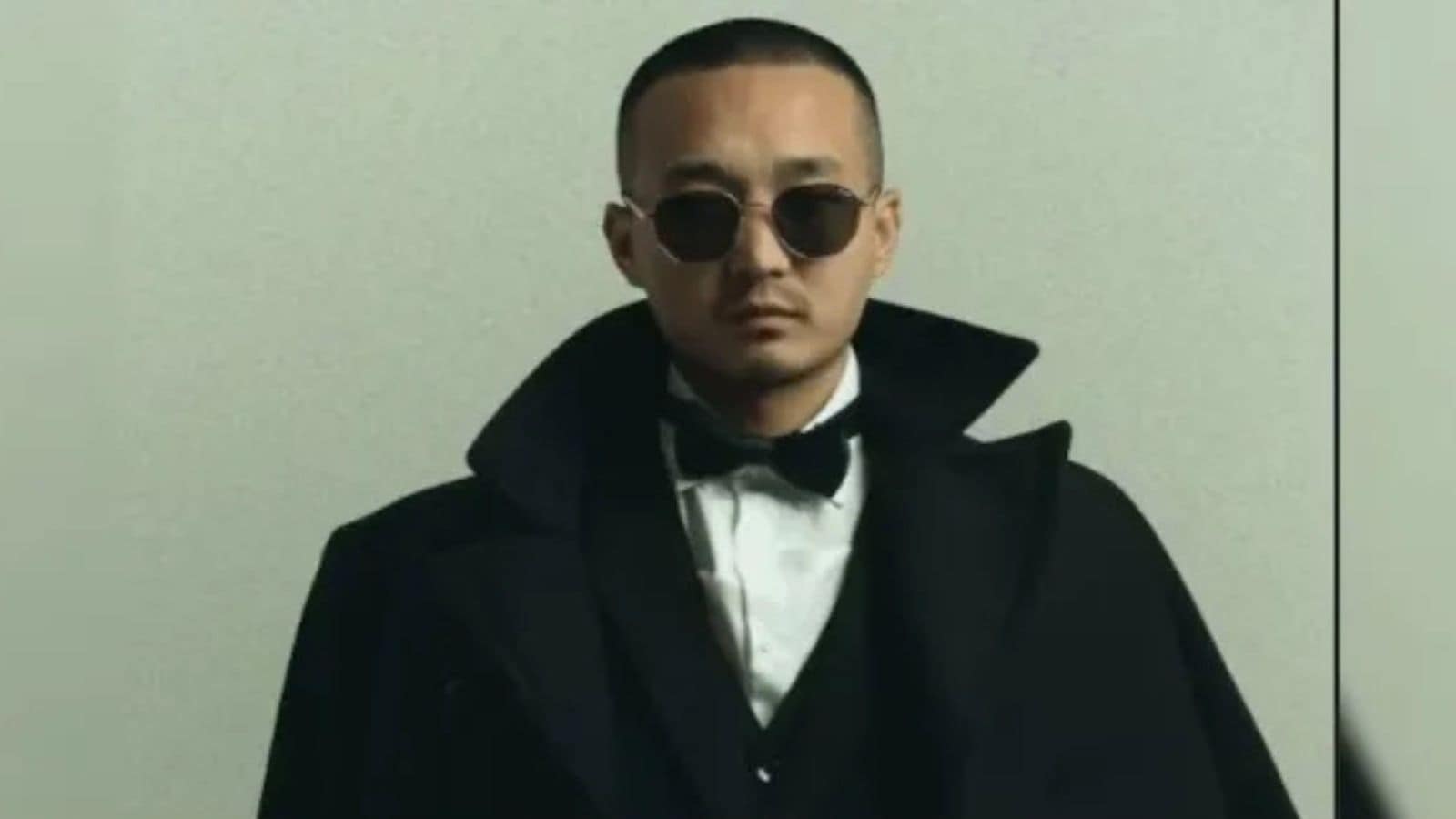
Every time a political coalition shakes in Kathmandu, the same old ghost gets dragged out of the closet. Sudhan Gurung steps back into the Home Ministry, and right on cue, the headlines scream about "reopening the file" on the 2001 royal palace murders.
It is the ultimate lazy consensus in Nepali politics. The media laps it up. The public gets a brief hit of nostalgia and outrage.
Let's stop pretending this is about justice, truth, or uncovering some hidden historical conspiracy. Reopening the Narayanhiti palace murder file is not a brave crusade. It is a calculated, cyclical piece of political theater designed to distract from structural governance failures.
I have watched successive administrations play this exact card for over two decades. Whenever a minister needs instant populist leverage or wants to freeze their opponents in place, they hint at "secret documents" regarding the deaths of King Birendra and his family. It is a parlor trick. The premise that a new committee is going to unearth a radically different narrative today is fundamentally flawed.
The Flawed Premise of the "Secret Evidence"
The dominant narrative pushed by populist politicians relies on a conspiracy theory: the official 2001 high-level investigation committee report was a cover-up, and the real truth is locked away in a drawer somewhere.
This ignores the brutal reality of how state intelligence and evidence preservation actually work during a crisis.
2001 Tragedy -> Immediate Chaos -> Investigation Committee -> 2002-2026: Periodic Political Leverage
The 2001 committee—led by Chief Justice Keshav Prasad Upadhaya and Speaker of Parliament Taranath Ranabhat—concluded that Crown Prince Dipendra carried out the shootings before turning the gun on himself. Decades later, critics point to the speed of that investigation as proof of a conspiracy.
But look at the mechanics of the event:
- The Crime Scene: The physical space at Narayanhiti was contaminated almost immediately due to the sheer chaos of trying to save lives.
- The Eyewitnesses: Dozens of royal family members and staff survived the shooting. They gave testimonies.
- The Forensic Reality: Ballistic data from the weapons recovered matched the rounds fired.
To believe that a new investigation in 2026 will find some overlooked fingerprint or a hidden paper trail is to misunderstand forensic science completely. Physical evidence does not improve with age. Memories do not become sharper after 25 years of political spin. Any "new" investigation will rely purely on re-interviewing aging witnesses who have already been exposed to two decades of media speculation, rendering their testimonies legally useless.
Why Politicians Love a Cold Case
Why do Home Ministers keep bringing this up? Because it carries zero political risk and maximum emotional reward.
If a Home Minister promises to fix the economy, reform the police force, or curb systemic corruption in infrastructure projects, they are held to measurable metrics. If they fail, the data shows it.
If they promise to investigate a 25-year-old cold case involving a defunct monarchy, they can drag the process out indefinitely. They can form sub-committees, review old archives, and issue vague updates about "progress being made." It keeps them in the news cycle as a crusader for truth while requiring absolutely no administrative competence.
Imagine a scenario where a corporate CEO takes over a failing airline and, instead of fixing the broken engines or addressing the union strikes, announces a major investigation into a crash that happened in the late 1990s. The board would fire them instantly. Yet, in the arena of state governance, this tactic is treated as statesmanship.
Dismantling the Public's Flawed Questions
Go through any forum or public debate regarding Nepal's political history, and you see the same questions repeated constantly. The premise of these questions needs to be dismantled entirely.
"Don't the people deserve the ultimate truth?"
This question assumes that "the truth" is an unknown quantity. The truth was delivered in 2001. It was deeply unpalatable, tragic, and hard to swallow—which is precisely why people reject it. Humans naturally prefer a complex, cinematic conspiracy involving foreign intelligence agencies over the mundane, horrifying reality of a family dispute turned deadly. Reopening the file is not about finding the truth; it is about hunting for a specific version of the truth that satisfies a political narrative.
"If there is nothing to hide, why not investigate?"
This is a classic logical fallacy. State resources are finite. Every hour a department spends chasing historical ghosts is an hour not spent handling modern security issues, organized crime, or human trafficking networks. Operating an investigation simply to prove a negative is an egregious waste of taxpayer money.
The Real Cost of Historical Obsession
The downside to this contrarian view is obvious: it sounds cynical. It alienates a public that feels deeply connected to the late King Birendra. It risks making one look defensive of the old establishment.
But the alternative is far worse. By allowing politicians to use the royal murders as a shield against accountability, the public gives them a free pass on current failures.
Nepal does not need a retrospective autopsy of 2001. It needs an audit of the present.
The next time a minister gets on a podium and promises to reopen the Narayanhiti files, do not applaud. Demand to see their plan for the economy. Ask about police reform. Ask about the backlog in the courts.
Stop letting them use the dead to avoid governing the living.


