Every time satellite photos show a massive recreational vessel anchored off Wonsan, social media convinces itself the end is near. In October 2026, unverified claims swept online that Kim Jong Un had suffered a brain haemorrhage and died. Right alongside those rumours came fresh attention on the leader's coastal retreat and an 80-meter leisure craft linked to his Wonsan orbit, widely reported in British tabloids with a £75 million price tag.
Let's be honest. Tabloid headlines love pairing "sudden death" speculation with flashy luxury numbers. It gets clicks fast. Yet it also muddies what commercial satellites actually see, what South Korean intelligence says, and why rumours about North Korea's ruling family explode so easily.
A vessel anchored near Kalma or a rumour blowing up on X isn't proof on its own. Still, the mix of tight information control, real health risks, and stark economic contrast makes people pay attention.
How the Wonsan Yacht Story Got Twisted
If you only read quick social posts, you might think a brand-new £75 million superyacht just popped out of nowhere during a health crisis. That's not how satellite tracking works. Commercial imagery from providers like Planet Labs and Sentinel-2 has monitored large vessels around the Wonsan area and the Kalma Peninsula across the summer of 2026, from early July into October, before returning toward a Wonsan ship repair dock in mid-October.
Reporting highlighted an 80-meter leisure vessel featuring a pool around 50 meters long and waterslides, alongside smaller vessels or tenders operating in surrounding waters. Observers have also tracked other leisure boats—such as 50-meter and 55-meter craft near nearby islands—over prior seasons. That tells you two things right away. First, maritime activity around Wonsan isn't a one-day fluke. Second, satellite imagery can show a vessel's position, size, and deck features, yet it cannot confirm who is on board on any given afternoon.
As for the £75 million valuation, treat figure estimates with caution. Custom vessels in North Korea's orbit don't come with public sales receipts or transparent market appraisals. Analysts like Daily NK have noted that how Pyongyang acquires such vessels remains unclear given United Nations sanctions restricting luxury goods and vessel transfers. Calling out that gap makes the story clearer—and way more reliable than repeating an unverified price tag as gospel.
Wonsan Isn't Just a Random Beach
Kim Jong Un has deep personal ties to Wonsan, having spent part of his childhood there, and the coast hosts major regime compounds and projects, including the Wonsan-Kalma Coastal Tourist Zone. Satellite analyses have pointed out a sharp contrast between brightly lit resort infrastructure and much dimmer surrounding neighbourhoods, plus tight state controls written into the zone's legal framework even as Pyongyang courts visitors and investment.
That contrast hits hard because ordinary North Koreans face severe economic strain and food insecurity. Former insiders and defectors—including figures like Ri Jong Ho quoted in coverage of the fleet—have pointed to the gap between elite leisure assets and everyday hardship. You don't need sensationalism to see why that gap stirs anger and curiosity abroad. The physical reality on the ground is striking enough.
Why "Sudden Death" Rumours Keep Circulating
Why do claims of a sudden death or medical emergency keep resurfacing whenever news slows down or a sharp photo circulates? Because North Korea is one of the hardest places in the world to verify leadership events in real time.
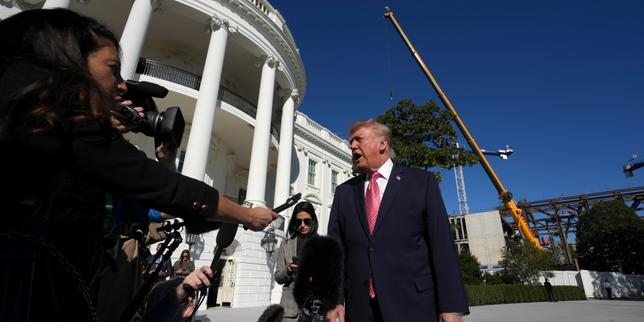
When a closed system hides routine information, rumours rush in to fill the silence. Back in October 2026, online chatter claimed Kim had died after a brain haemorrhage. South Korea's National Intelligence Service (NIS) dismissed the rumours, pointing to his public activities and medical oversight, while North Korean state outlets published photographs intended to counter the talk—including images showing him with his daughter Kim Ju-ae—and reporting later noted appearances such as a trip to Dandong, China, on October 24.
Real Health Risks Meet Historical Precedent
Dismissing a viral rumour doesn't mean health questions are invented out of thin air. Intelligence assessments and North Korea watchers have long flagged real risk factors: Kim is in his early 40s, carries excess weight—reported by South Korean intelligence at over 140 kilograms—and faces elevated cardiovascular risks compounded by smoking and high-pressure state leadership. Both his father, Kim Jong-il, and grandfather, Kim Il-sung, reportedly suffered fatal heart-related events.
History adds another layer of caution. When Kim Jong-il died in December 2011, Pyongyang kept the news under wraps for roughly two days before announcing it officially. Outside observers know the regime can delay bad news until succession mechanics and security arrangements are locked down. So when a rumour hits social media, people don't just ask "Is it true today?" They wonder if Pyongyang is hiding something for now.
What Analysts Actually Watch During Rumour Cycles
If you've watched North Korea coverage for years, you learn a simple rule. Never judge a leadership rumour by a single viral post. Watch the pattern of evidence instead.
- Official timing and photo context: State media releases photos to project normalcy, though exact timestamps aren't always independently verifiable at first glance.
- Intelligence assessments: Agencies like South Korea's NIS evaluate broader patterns rather than internet speculation, though even intelligence services work with incomplete access inside North Korea.
- Travel and diplomatic movement: Confirmed appearances outside Pyongyang—such as the reported late-October 2026 appearance in Dandong—carry more weight than anonymous social accounts.
- Succession signals: Analysts closely track Kim Ju-ae's rising profile alongside figures like Kim Yo-jong, noting that naming or grooming a successor doesn't automatically guarantee a frictionless transfer if a sudden crisis ever occurred.
What You Can Do Next When Rumours Hit Your Feed
You don't need a security clearance to read North Korea headlines smartly. Next time a dramatic claim about Kim Jong Un's health or a multimillion-dollar toy pops up in your feed, pause for sixty seconds and run a quick check.
Start by separating the claim from the evidence. A satellite image showing an 80-meter boat near Wonsan is evidence about a vessel's location and layout, not proof of a medical crisis or a specific price tag. Check whether reputable outlets like The Korea Times, Daily NK, or major wire services cite official intelligence statements or corroborated sightings rather than anonymous social posts.
Finally, keep two truths in mind at the same time. Viral death rumours have been wrong over and over again. Yet the underlying pressures—cardiovascular health risks, sanctions evasion, tight coastal control, and unanswered questions around succession—remain very real for anyone tracking the region.