A 35-year-old Swedish man walks across a border, ends up in a Pskov detention center, and suddenly becomes the face of an alleged sabotage plot for Ukraine. Sounds like a Cold War thriller. Except it happened in October 2026, and the real story is far messier than a single FSB press release suggests.
When Russian security services announced the detention of a Swedish national arrested in Russia over alleged sabotage and terrorist plots, most headlines treated Moscow's accusations as settled fact or dismissed them outright without looking at the court paper trail. Neither knee-jerk reaction helps you understand what is actually going on. Learn more on a similar topic: this related article.
What Actually Happened in Pskov
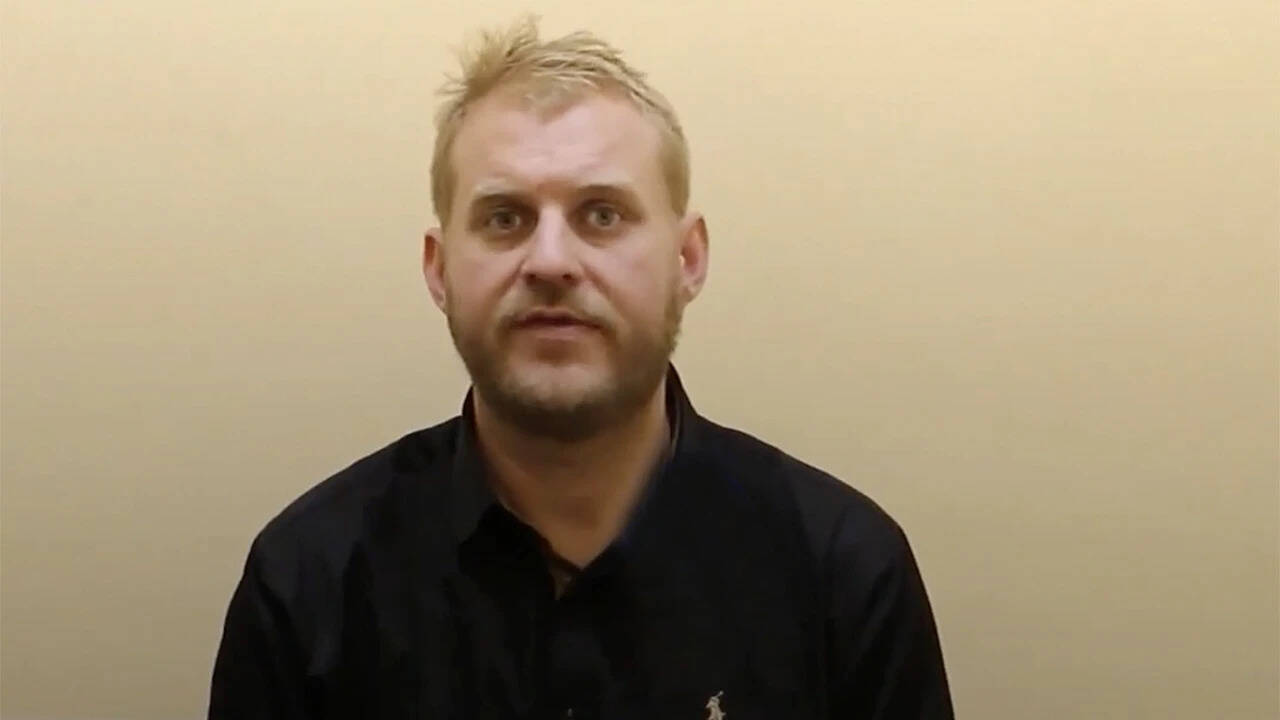
Let's separate the verified procedural facts from the sweeping claims. According to reporting on Pskov City Court records and international wire dispatches from mid-October 2026, the detainee—identified in court and media reports as 35-year-old Swedish citizen Freddy Mikael Stålkrantz Lindholm—was detained in Russia's northwestern Pskov region after allegedly crossing the border on foot from Belarus.
Pskov court documents indicate that he was placed in pre-trial detention until December 6, 2026, with the court citing his lack of permanent residence, stay, or registration in Russia as exceptional circumstances justifying custody. Around October 15, 2026, Russia's Federal Security Service (FSB) released a handout video and statement alleging that he had fought alongside Ukrainian forces, trained in reconnaissance and first-person view (FPV) drone operations, and entered Russia intending to infiltrate the Russian military and carry out sabotage or terrorist attacks against military infrastructure. Additional analysis by NPR highlights similar views on this issue.
Here's the catch: none of the broader sabotage or terrorism allegations have been independently verified. Neither Kyiv nor Stockholm has publicly confirmed the FSB's narrative, and the Swedish Foreign Ministry noted it was reviewing media reports and information via its embassy in Moscow.
Why "Terrorism" Charges Are Used Like a Hammer
If you follow Russian security cases closely, one pattern jumps out right away. Moscow routinely stacks severe charges—terrorism, mercenary activity, espionage—onto border detentions involving foreign nationals during the war in Ukraine.
From a legal and strategic standpoint, that label does heavy lifting. Calling a suspected border infringer or former foreign fighter a "terrorist" or "saboteur" shifts the frame from a routine migration or border violation to an existential threat to national security. It also gives state media ready-made footage and a clear villain for domestic audiences at a moment when drone strikes, infrastructure attacks, and diplomatic negotiations are all happening at once.
At the same time, ignoring the risk of cross-border sabotage would be naive. Throughout the war between Russia and Ukraine, both sides have relied heavily on asymmetric tactics, drone operators, and covert operatives far behind front lines. Foreign volunteers have traveled to Ukraine in significant numbers since 2022, which means claims involving former foreign fighters are plausible enough to sound convincing—even when independent evidence is thin or nonexistent.
The Timing and the Bigger Chessboard
Look at the calendar around mid-October 2026 and the picture gets even sharper. Just days before the Pskov announcement, Russian authorities also detained a Japanese journalist on Sakhalin island on suspicion of espionage, sparking sharp pushback from Tokyo. Meanwhile, reporting from The Moscow Times and international outlets like Reuters highlighted ongoing long-range drone strikes inside Russia, energy infrastructure clashes, and high-stakes diplomatic maneuvering over Ukraine.
Arresting Western or Asian nationals and parading security claims in state media isn't just about local policing in Pskov or Sakhalin. It signals heightened domestic vigilance, deters foreign volunteers and travelers from going anywhere near Russian borders, and creates potential leverage in broader diplomatic standoff moments.
What People Get Wrong About These Arrests
Most readers fall into one of two traps when a story like this breaks:
- Assuming every FSB confession video tells the whole truth. Videos released by intelligence agencies under custody are curated propaganda tools, not neutral court transcripts. You can't treat a detained person's statements on state television as proof beyond doubt.
- Assuming every arrest is purely fabricated. Sometimes a person actually did cross a border unlawfully or had prior military ties in the region. The mistake is conflating an unproven allegation of a major plot with a verified conviction.
Honestly, the smartest way to read coverage of a Swedish national arrested in Russia is to separate what is documented in court filings from what is asserted in intelligence releases. Pskov is a sensitive border region next to the Baltic states and Belarus, and crossing on foot without authorization is already a serious legal problem there—before any terrorism charge is even added.
Practical Steps If You're Following or Traveling Near the Region
If you're tracking this case for news, research, or personal travel, a few concrete habits will keep you grounded:
- Check primary court and diplomatic updates first. Watch for consular access statements from Sweden's foreign ministry and actual court hearing dates rather than relying solely on initial wire summaries.
- Avoid unauthorized or gray-zone border crossings. Never attempt informal crossings near Russia or Belarus, and stay well clear of restricted military or border zones—penalties are severe and consular help can be heavily constrained.
- Verify claims across multiple independent outlets. Compare reporting from international news agencies, regional outlets, and independent investigative desks so you don't mistake an unverified accusation for established fact.