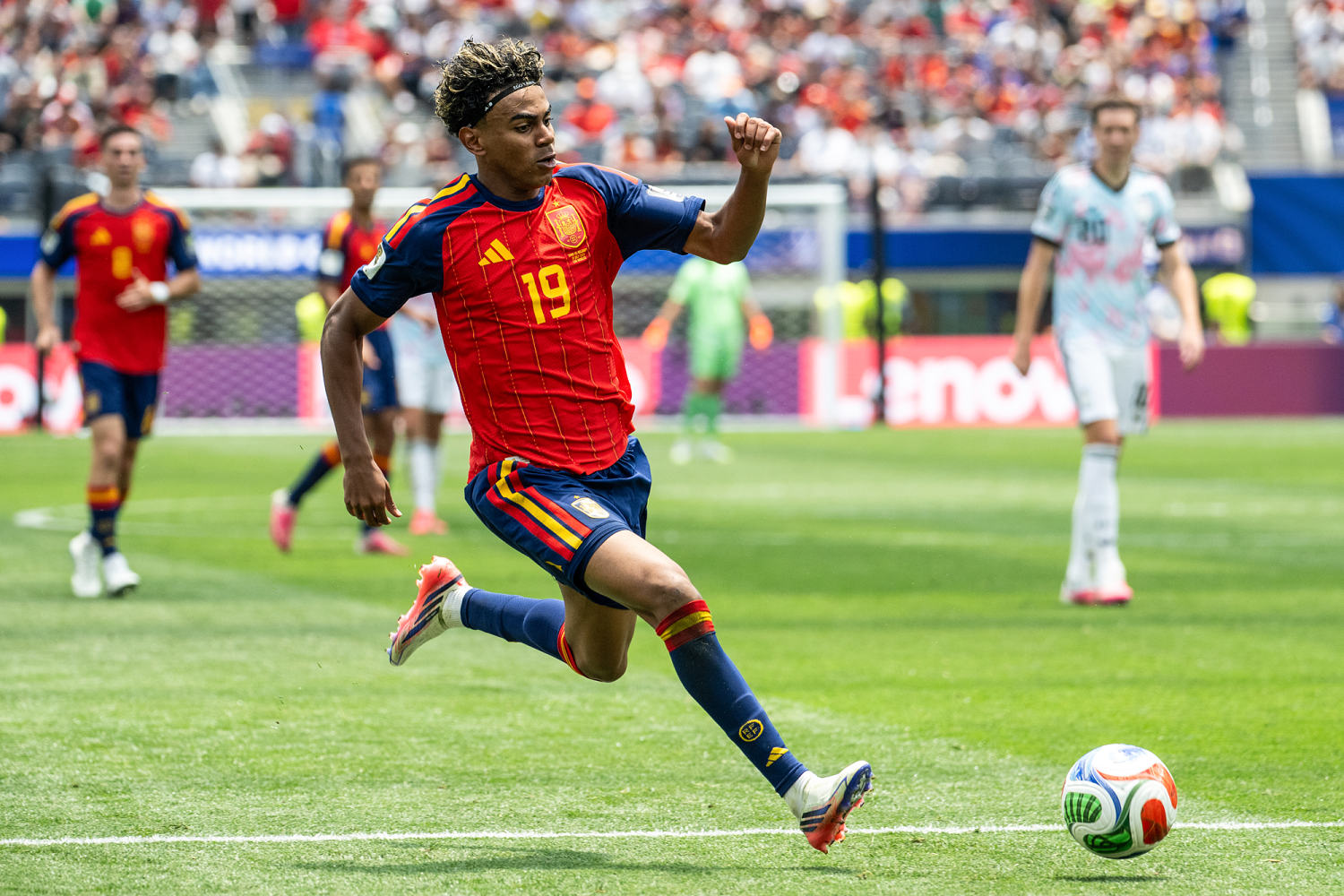
Sacking the manager after a World Cup knockout exit is the oldest, laziest trick in the football federation playbook. The Senegalese Football Federation (FSF) just executed it with textbook predictability, cutting ties with Pape Thiaw following the team’s Round of 32 exit against Belgium.
The mainstream sports media is swallowing the narrative whole. They point to the blown 2-0 lead against Belgium in the final five minutes, the sluggish group-stage losses to France and Norway, and the looming five-match touchline ban Thiaw carried from January’s Africa Cup of Nations (AFCON) final. They call the decision logical. They call it necessary.
They are completely wrong.
Sacking Pape Thiaw is a classic case of prioritizing short-term public relations over long-term structural stability. By firing the man who brought tactical pragmatism back to the Teranga Lions, Senegal has chosen chaos over continuity.
The Illusion of a Fired Savior
Let’s dismantle the absolute myth that Senegal's World Cup campaign was an unmitigated disaster demanding a blood sacrifice.
Yes, throwing away a 2-0 lead against Belgium in the final five minutes of normal time hurts. It is a scar that will take years to heal. But blaming that purely on the manager is a fundamentally flawed reading of football mechanics.
When a team collapses in the 85th minute, it is rarely a structural tactical failure. It is an on-pitch psychological capitulation and acute physical fatigue. Thiaw did not tell his defenders to stop tracking runs or to panic under high pressure. He put them in a position to lead 2-0 against a highly rated European powerhouse. The players failed to execute the final phase.
More importantly, the FSF has completely ignored the context of Thiaw's tenure. He inherited a transitioning squad after the departure of Aliou Cissé. He immediately stabilized the ship, leading them to an AFCON title in Rabat against Morocco. To discard him because of a single chaotic extra-time defeat in the first knockout round of a World Cup is the definition of reactionary administration.
The Poison of the Foreign Savior Myth
The rumor mill is already spinning. Reports are linking Dakar-born former French midfielder Patrick Vieira to the vacant seat. This is where the FSF is about to make its second, much larger mistake.
There is a persistent, almost colonial bias in African football that suggests a big-name foreign manager or a European-trained tactician is always the upgrade. They look at a resume with Ligue 1 or Premier League experience and assume those skills translate seamlessly to the unique, grueling ecosystem of African international football.
They do not.
I have watched football federations across the continent burn millions of dollars chasing high-profile foreign managers, only to watch them crash out in the AFCON group stages because they do not understand the logistical realities, the player psychology, or the sheer physicality of the African game.
Pape Thiaw understood the terrain. He had local legitimacy. He came through the local ranks, managed the CHAN team to tournament victory, and possessed the respect of the dressing room. Replacing that organic authority with a big-name manager who has never coached on the continent is a recipe for regression.
The Touchline Ban Excuse
The most intellectually dishonest argument used to justify Thiaw’s sacking is his upcoming five-match suspension. Because Thiaw led his players off the pitch during the fiery AFCON final against Morocco, he was set to sit in the stands for the start of the 2027 AFCON qualifiers.
The federation treated this like an insurmountable crisis. In reality, it was a minor speed bump.
International qualification campaigns are marathons, not sprints. A manager of Thiaw's caliber does not need to stand on the touchline against lower-tier qualification opponents to secure a result. His assistant coaches, fully integrated into his system, could have easily navigated those matches under his weekly training direction.
By using the ban as a convenient excuse to fire him, the FSF demonstrated a cowardice that will reverberate through the squad. They punished a manager for standing up for his players in a hostile environment, signaling to the locker room that the federation will never have their backs when the political pressure mounts.
The Danger of Constant Disruption
International football success is built on cycles. The most successful national teams of the modern era do not panic and change direction every time they hit a bump in the road. They build, adjust, and allow a tactical philosophy to mature.
By resetting the coaching staff now, Senegal is throwing away years of tactical compounding. A new manager means:
- A complete overhaul of the tactical system.
- New player hierarchies, alienation of key squad members, and internal friction.
- Months, if not years, of transition play where the team looks disjointed.
Senegal does not need a revolution; it needs refinement. The foundation laid by Thiaw was strong enough to dominate the continent in January and put Belgium on the ropes in July. Tearing that foundation down because of five minutes of madness in the Round of 32 is not leadership. It is administrative malpractice.
If the FSF believes that hiring a high-profile name will magically solve the psychological fragility their players showed in the dying minutes against Belgium, they are in for a brutal awakening. You do not build mental resilience by firing the architect of your success. You build it by backing him.