The heavy oak doors of a courtroom usually signify a search for truth. They are designed to be the one place where a person’s status outside the building—their wealth, their reputation, their history—is secondary to the facts of the case at hand. But for years, those doors felt like a trap. For someone like "Elena," a hypothetical but representative survivor of domestic violence, walking into a courthouse to testify against her abuser meant stepping into a secondary cage. She wasn't just afraid of the man in the jumpsuit; she was afraid of the men in plain clothes waiting in the hallway with badges tucked under their belts.
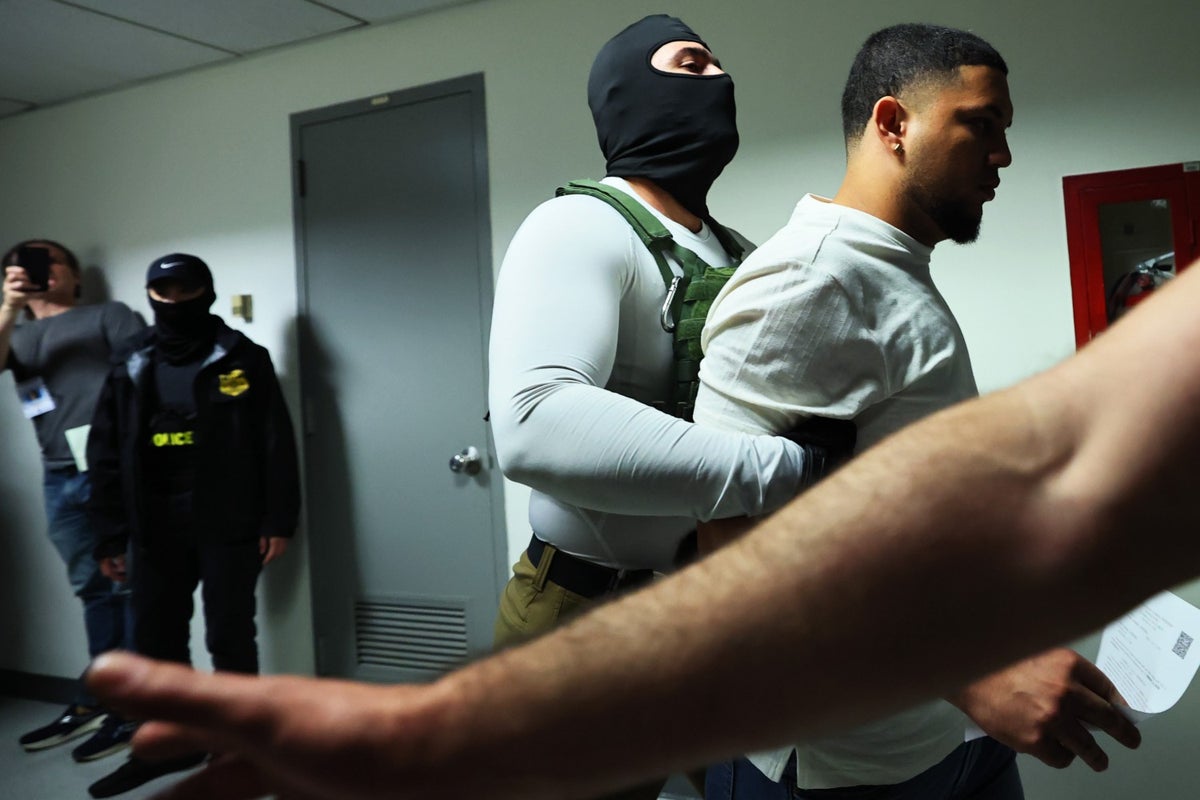
Under previous directives, Immigration and Customs Enforcement (ICE) agents frequented these halls. They waited by the metal detectors. They sat in the back of family courtrooms. The logic was cold and administrative: courthouses were "target-rich environments" where people with outstanding deportation orders were guaranteed to show up at a specific time. But the cost of that convenience was the slow erosion of the public’s trust in the law itself. When the courthouse becomes a fishing pond for federal agents, the fish stop swimming toward the surface.
The Invisible Chill
Statistics rarely capture the silence of a phone that doesn't ring. When ICE began ramped-up operations in courthouses, advocacy groups noticed a sharp decline in reported crimes within immigrant communities. It wasn't because the streets had suddenly become safer. It was because the risk of seeking justice had become higher than the risk of enduring the crime.
Consider the mechanics of a simple hit-and-run or a wage theft claim. If a witness believes that showing up to provide a statement will result in being whisked away to a detention center before they can even head home to pick up their kids from school, they stay home. The prosecution's case falls apart. The perpetrator walks free. In this way, the pursuit of one type of law enforcement—immigration—directly undermined the pursuit of every other type of justice. The "chilling effect" is a common legal term, but it feels more like a deep freeze in practice. It turns local police departments into strangers and judges into unwilling accomplices in an enforcement web they didn't ask to join.
A Shift in the Current
The latest reports indicate a significant pivot in how federal agents are instructed to operate. ICE is officially cutting back. The new guidance restricts agents from making arrests inside or near courthouses unless the individual poses a "national security threat" or there is an imminent risk of death or physical harm. They are also moving away from the "warrantless arrest"—that sudden, terrifying moment where a person is detained based on an administrative determination rather than a judicial warrant signed by a neutral judge.
This isn't just a change in a memo. It is a restoration of a boundary.
The shift acknowledges a fundamental truth that had been ignored: the legal system requires participation to function. If the most vulnerable members of society are too terrified to enter the building, the building loses its purpose. By stepping back from the courthouse steps, the federal government is effectively de-escalating a conflict with local jurisdictions that argued their courtrooms were being used as bait.
The Human Weight of a Warrantless Arrest
To understand why "warrantless" is such a heavy word, you have to look at the power dynamic of a street-level encounter. In a standard criminal proceeding, a warrant is a check on power. It means a third party—a judge—looked at evidence and agreed there was probable cause. A warrantless administrative arrest skips that step. It relies entirely on the discretion of the officer on the scene.
For the person on the receiving end, it feels like an abduction. There is no paperwork to review, no chance to call an attorney before being processed, and often, no clear explanation given to the frantic family members watching from the sidewalk. By moving away from this practice, the agency is signaling a move toward a more "civil" form of civil immigration enforcement. It moves the process back into the realm of the predictable, even if the eventual outcome—deportation—remains the same.
The Fragile Return of Trust
The damage done to community trust isn't repaired by a single press release. It takes years to build a bridge and only a few days of aggressive patrolling to burn it down. Even with these new restrictions, the fear lingers. Elena still looks over her shoulder when she walks past the sheriff’s deputy at the front desk. She still wonders if the man in the suit near the elevators is a lawyer or an agent.
However, the policy shift provides a tool for local officials to reassure their constituents. It allows a district attorney to look a victim in the eye and say, with more certainty than they had a year ago, "You are safe to tell your story here."
This is the hidden heartbeat of the American legal system. It is the belief that the law is a shield, not just a sword. When we allow courthouses to be neutral ground, we ensure that the rule of law applies to the crime committed, not just the person who reported it. The removal of the "cuffing" culture in these spaces is a quiet admission that some places must remain sacred for justice to remain possible.
The halls are quieter now. The agents aren't lingering by the water fountains as often. For the woman waiting to testify, the air in the corridor is still thin, but for the first time in a long time, she can actually take a breath.