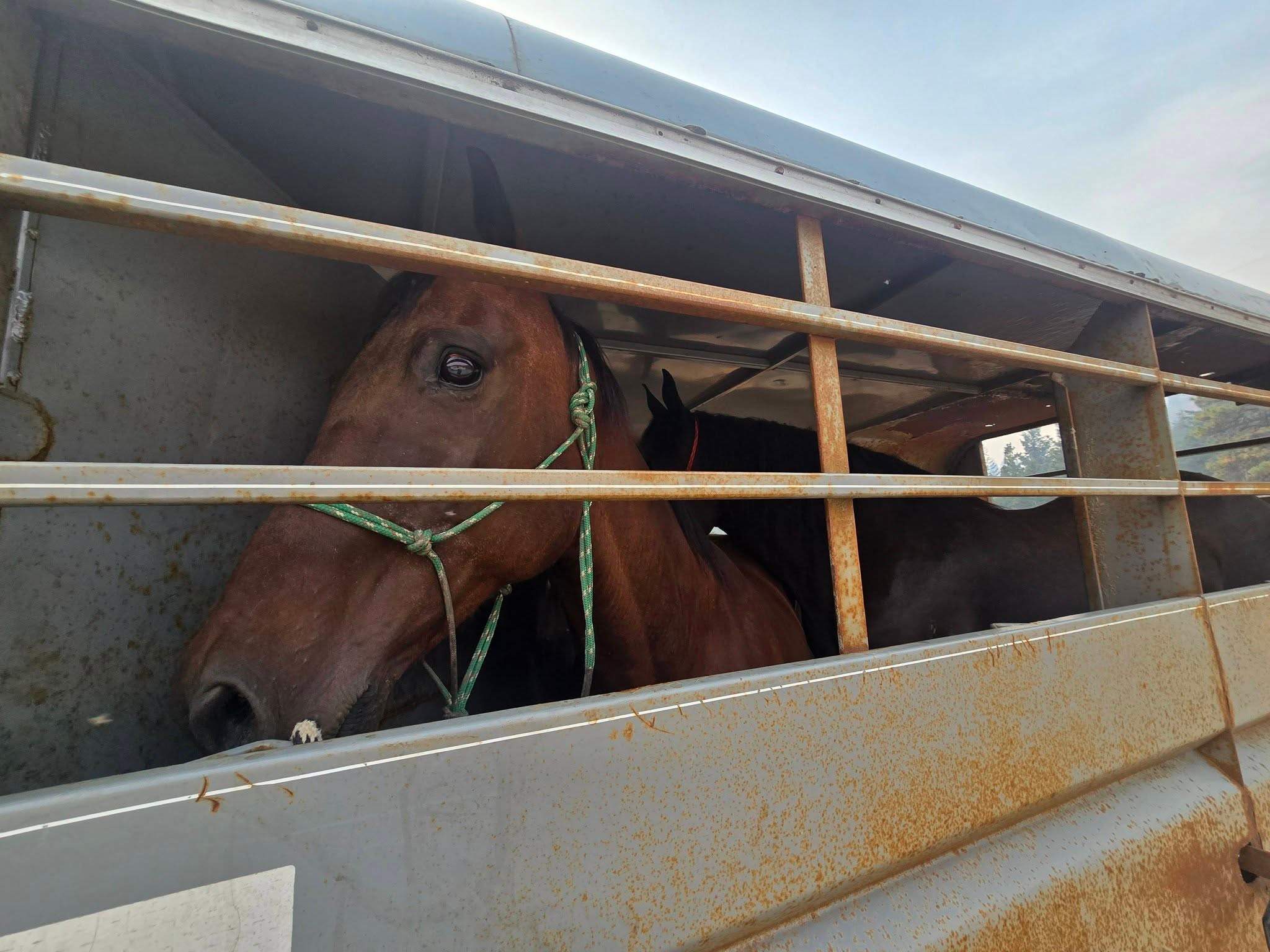
When walls of smoke and orange flames swallow whole communities, emergency alerts usually focus on human evacuation. People grab their photo albums, pets, and important papers, hitting gridlocked highways out of town. But what happens to the thousands of large animals left behind in pastures, barns, and feedlots? British Columbia wildfires regularly threaten massive rural populations of cattle, horses, sheep, and poultry. Evacuating a two-thousand-pound horse or a herd of fifty dairy cows isn't like loading a cat into a carrier. It requires specialized trailers, heavy equipment, coordination, and sheer nerve.
Most people do not realize the immense logistical nightmare rural communities face when wildfire season peaks. Emergency responders have their hands full saving human lives. That leaves specialized volunteer organizations, regional districts, and dedicated agricultural networks to shoulder the staggering burden of large animal rescue. If you own livestock, hoping for the best is a terrible strategy. You need a workable blueprint long before smoke fills your valley. Read more on a connected subject: this related article.
The Chaos Behind Rural Evacuation Zones
Smoke rolls in fast. Power grids fail within minutes of a fire front touching rural infrastructure. Electric fences stop working instantly, leaving horses and cattle wandering bewildered in open fields or panicked inside locked enclosures.
During severe wildfire outbreaks across the province, regional emergency operations centers often establish tactical evacuation zones. Getting permission to enter those zones to rescue trapped animals can take precious hours. Emergency personnel prioritize human safety above all else. They cannot risk fire rescue crews saving a stranded bull if a sudden wind shift traps them. More analysis by Al Jazeera highlights related perspectives on this issue.
This friction creates heartbreaking scenarios. Farmers watch their livelihoods burn from highway roadblocks because they lack commercial transport permits or specialized clearance to re-enter danger zones. Local volunteer groups fill this gap, but they operate under extreme stress and tight resource limits.
Who Actually Steps Up When the Barns Are Burning
When disasters strike the interior of the province, organized networks spring into action. Groups like the Cariboo Regional District emergency teams, local equestrian associations, and specialized livestock rescue units coordinate emergency feed drops, temporary shelters, and evacuation transport.
It takes heavy-duty diesel trucks, stock trailers, and drivers who know how to handle terrified, adrenaline-fueled animals. A panicked horse will refuse to load into a trailer, fighting its rescuer with enough force to break bones. Experienced handlers use specific techniques to blindfold, calm, and guide massive animals away from roaring fire fronts.
Beyond transport, these volunteers face massive feeding challenges. Evacuated livestock need secure holding facilities, clean water, and tons of hay on short notice. Fairgrounds, rodeo arenas, and community pastures transform into emergency intake centers. Volunteers work around the clock, shoveling manure, hauling water, and soothing stressed animals that have inhaled toxic wood smoke.
Why Urban Emergency Plans Fail Rural Owners
City emergency guides tell you to pack a go-bag and keep your gas tank full. That advice falls completely flat when you manage fifty head of cattle spread across a hundred acres of rugged timberland.
Agricultural property owners face unique hurdles:
- Water access: Electric well pumps die when the grid goes down, leaving thirsty animals without water while fire approaches.
- Handling gear: Catching a wild range cow without functional corrals and alleys is practically impossible.
- Transport capacity: A standard two-horse trailer won't cut it when you have an entire herd to move.
You cannot improvise a livestock evacuation plan while embers rain down on your roof. By the time an evacuation alert changes to an evacuation order, your window to act has slammed shut.
Building a Bulletproof Rural Evacuation Blueprint
You need to take concrete steps right now if you keep animals on your property. Waiting for a provincial emergency alert means you are already losing the race against the fire.
First, secure reliable backup power. Invest in a heavy-duty generator capable of running your water wells and electric gates during prolonged blackouts. Without independent power, your animals become trapped on your own land.
Second, forge agreements with neighbors and local haulers. If you own four trucks and twenty horse trailers, you are golden. Most people own one trailer, if that. Form a local mutual aid pact with other farmers in your district. Pool your trailers, share contact lists, and assign specific rescue roles before fire season starts.
Third, establish clear identification methods for every animal on your farm. Brand them, tattoo them, or use livestock tags with your active phone number clearly marked. In the smoke and chaos, animals break through fences and scatter across miles of wilderness. Reuniting with your livestock depends entirely on verifiable identification.
Fourth, map out multiple evacuation routes. Wildfires move unpredictably. If your primary access road blocks up with fire trucks or fallen timber, you need two alternate paths out of your valley that can handle heavy dual-axle trailers.
Finally, stock emergency supplies where you can access them without power. Keep halters, lead ropes, feed, and portable panels staged near your loading zones. Every single minute counts when the sky turns black and the wind changes direction.
Preparation separates a tragedy from a manageable crisis. Take stock of your property today, fix your broken gates, talk to your neighbors, and build a real plan to keep your animals safe when the next fire season tests your resilience.


