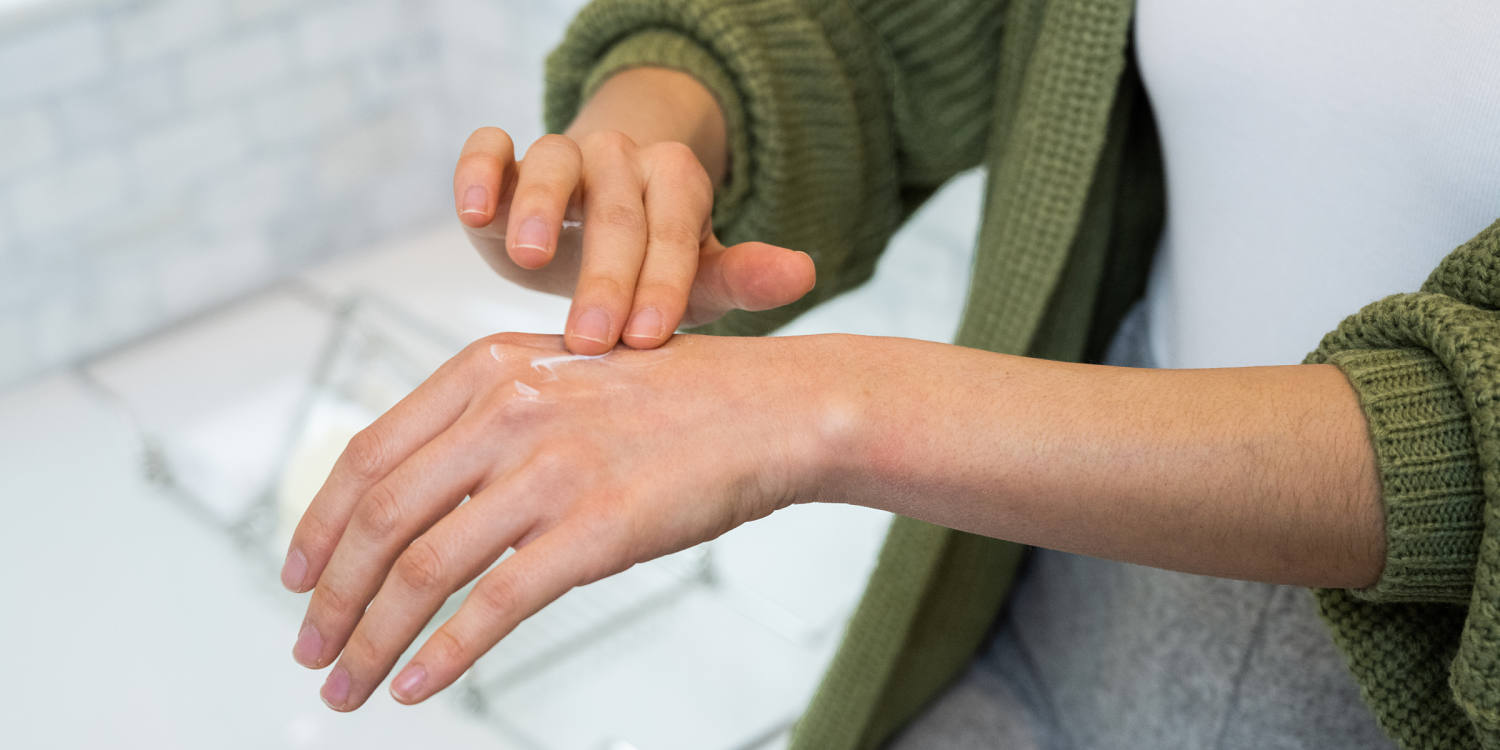
Over-the-counter scar fading products promise effortless transformation, but the reality involves biology, patience, and aggressive marketing hype. When a tube of gel claims it will erase years of tissue trauma in a fortnight, it relies on desperation rather than dermatology. Effective scar management requires understanding how skin heals, why specific marks resist topical treatments, and which ingredients actually alter collagen production.
The multi-billion-dollar skin repair market thrives on a fundamental misunderstanding of human anatomy. Scars are not surface-level stains. They represent structural rebuilds. When the dermis undergoes trauma, the body prioritizes speed over aesthetics, laying down dense bundles of collagen in a hurried, uniform pattern. Topicals cannot simply dissolve this structural shift. Instead, proven over-the-counter options work by modulating inflammation, retaining moisture, and gently encouraging cellular turnover over months of consistent application. You might also find this related coverage insightful: The Invisible Line And The Quickest Shadow Ebola Ever Cast.
The Biological Reality of Tissue Repair
Skin does not forget injury easily. Every mark tells a story of structural compromise, whether from surgery, severe acne, or physical trauma. Understanding the classification of these marks dictates whether a drugstore cream will help or completely fail.
- Atrophic Scars: Depressed pits and indentations, commonly left behind by cystic acne or chickenpox, where the skin fails to regenerate adequate underlying support.
- Hypertrophic Scars: Raised, firm clusters of tissue that remain confined within the original boundaries of the wound.
- Contractures: Tightened skin areas resulting from burns, which severely restrict movement and require medical intervention rather than cosmetic solutions.
Topical formulations achieve near-zero success rates on atrophic indentation scars because surface creams cannot force skin to grow upward from below. Yet, retail shelves remain packed with generic creams marketing universal fixes for every skin texture imaginable. As reported in recent articles by WebMD, the results are notable.
Ingredients That Survive Scrutiny
Discard the marketing labels and look exclusively at the active chemical agents. Decades of dermatological research narrow down effective over-the-counter interventions to a remarkably short list.
Silicone reigns supreme as the undisputed gold standard for managing raised and healing marks. Medical-grade silicone sheets and topical gels do not magically melt tissue. They create a semi-occlusive barrier that hydrates the stratum corneum. This hydration signals keratinocytes to communicate properly with fibroblasts, effectively telling the skin to halt excessive collagen production. Consistency dictates success here. Users must commit to wearing silicone sheeting for twelve to twenty-four hours a day over a period of three to six months.
Retinoids offer another legitimate pathway, primarily for textural irregularities and post-inflammatory hyperpigmentation. By accelerating cellular turnover, vitamin A derivatives push damaged surface cells out while stimulating fresh collagen synthesis in the upper dermis. Results require immense discipline. Irritation remains a constant hurdle, and impatience ruins progress.
Vitamin C acts as a dependable antioxidant and tyrosinase inhibitor, targeting the dark discoloration left behind after a wound closes. While it does little to flatten a raised hypertrophic mark, it successfully brightens the surrounding pigmentation anomalies that make scars stand out visually.
The Marketing Illusion of Exotic Extracts
Walk down any beauty aisle and you will encounter an array of botanical wonders promising miraculous results. Rosehip oil, snail mucin extracts, vitamin E oil, and exotic plant stem cells dominate product formulations.
The scientific backing for these ingredients often falls short of the marketing claims. Vitamin E, once widely recommended by physicians for surgical recovery, has repeatedly failed in double-blind clinical trials. Not only does it show no significant benefit in scar appearance, but it also triggers contact dermatitis in a notable percentage of users, worsening redness and irritation.
Plant extracts offer pleasant sensory experiences and mild hydration, which temporarily plumps the skin and masks fine lines. They provide zero structural remodeling power. Relying on botanical oils to flatten a thick keloid or deep hypertrophic scar amounts to whispering at a freight train.
The Hidden Variables of Success
Even when using clinically validated ingredients, individual biology dictates the final outcome. Age plays a massive role. Younger skin possesses higher baseline collagen production and faster cellular turnover, meaning marks often flatten and fade naturally over time without heavy intervention. Mature skin heals sluggishly, leaving marks visible for years.
Genetics dictate baseline inflammation responses. Individuals prone to keloid formation will find standard over-the-counter treatments completely inadequate. For these individuals, topical creams serve as expensive moisturizers while deep-seated collagen continues to proliferate unchecked.
Timing represents another critical oversight. Intervention must begin the moment epithelialization occurs—when the wound has completely closed and the scab falls off. Treating a mature, multi-year-old scar with basic drugstore creams yields virtually imperceptible changes. Old scars require mechanical disruption via professional procedures like laser resurfacing, microneedling, or subcision.
Building a Realistic Regimen
Discard the twelve-step routines. Effective management requires minimalism and relentless consistency.
- Protect the barrier: Keep new skin clean, moisturized, and shielded from UV radiation. Ultraviolet light stimulates melanocytes, permanently darkening fresh scar tissue through hyperpigmentation.
- Introduce occlusion early: Apply medical-grade silicone gel or sheets daily as soon as the wound bed closes safely.
- Manage expectations: Understand that visible remodeling takes months, not days. If a product promises overnight miracles, put it back on the shelf.
The pursuit of flawless skin often leads consumers down expensive, frustrating rabbit holes populated by empty promises and unverified ingredients. Real progress demands a clear-eyed look at what chemistry can achieve, matching the right active compound to the specific type of tissue damage while accepting the biological limits of the human body.