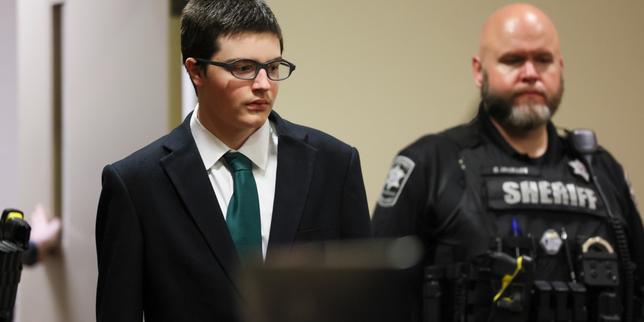
The gavel dropped hard in a Georgia courtroom. A teenager walked out of the legal system facing life behind bars without the possibility of release. Headlines flashed across the globe. People argued about justice, age, and accountability. It is heavy news. It forces society to look at the darkest corners of youth violence.
The Reality of Severe Sentencing for Minors
When a minor commits a mass casualty crime, the legal system changes its tone entirely. Courts often bypass typical rehabilitation frameworks. They lean heavily on maximum deterrence. A life sentence for a teenager means decades in a maximum-security institution. There is no second chance. No parole board hearing down the road.
Judges face an impossible balance. Public safety clashes with the psychological reality of teenage brain development. Science tells us the prefrontal cortex isn't fully formed until the mid-twenties. Impulse control suffers. Peer pressure hits hard. Yet, lawmakers and prosecutors point to the sheer scale of devastation. When classrooms turn into crime scenes, mercy takes a backseat to strict retribution.
Society struggles to process these verdicts. Is permanent incarceration the right answer for someone whose life barely started? Many legal experts debate the constitutionality of locking away youth forever. The Supreme Court previously limited automatic life sentences without parole for juveniles. Still, judges retain discretion in extreme homicide cases. This Georgia case highlights how that discretion plays out in the real world.
What the Media Misses About Youth Violence
News reports usually focus on the trial and the sentence. They miss the broader picture. Prevention starts long before a weapon enters a school building. Teachers, parents, and mental health professionals deal with warning signs daily. Spotting distress requires resources that many public schools simply lack.
Warning signs are rarely hidden. Isolated teenagers often leave digital footprints. They signal distress through social media posts or behavioral changes. Classrooms remain underfunded. Counseling departments are overworked. When a student slips through the cracks, the consequences ripple outward.
Communities want simple villains. We look for a single cause to blame. Mental health, gun access, and social isolation all mix together. Fixing just one piece solves nothing. Real change demands uncomfortable conversations about firearm storage laws and school safety infrastructure.
Moving Forward After the Verdict
The legal chapter closes with a harsh sentence. The broader crisis remains wide open. Punishing an offender does not heal a grieving community. Schools must invest heavily in early intervention programs. Students need trusted adults to talk to before desperation turns into violence.
Parents play a massive role too. Secure firearm storage prevents tragedies at home. Keeping weapons locked away stops impulsive acts by troubled youth. Simple actions save lives.
We cannot afford to treat these events as isolated anomalies. Every verdict brings a temporary sense of closure. The underlying rot persists until society tackles the root causes of adolescent isolation and radicalization.
The courtroom drama ends. The hard work of keeping schools safe continues every single day.