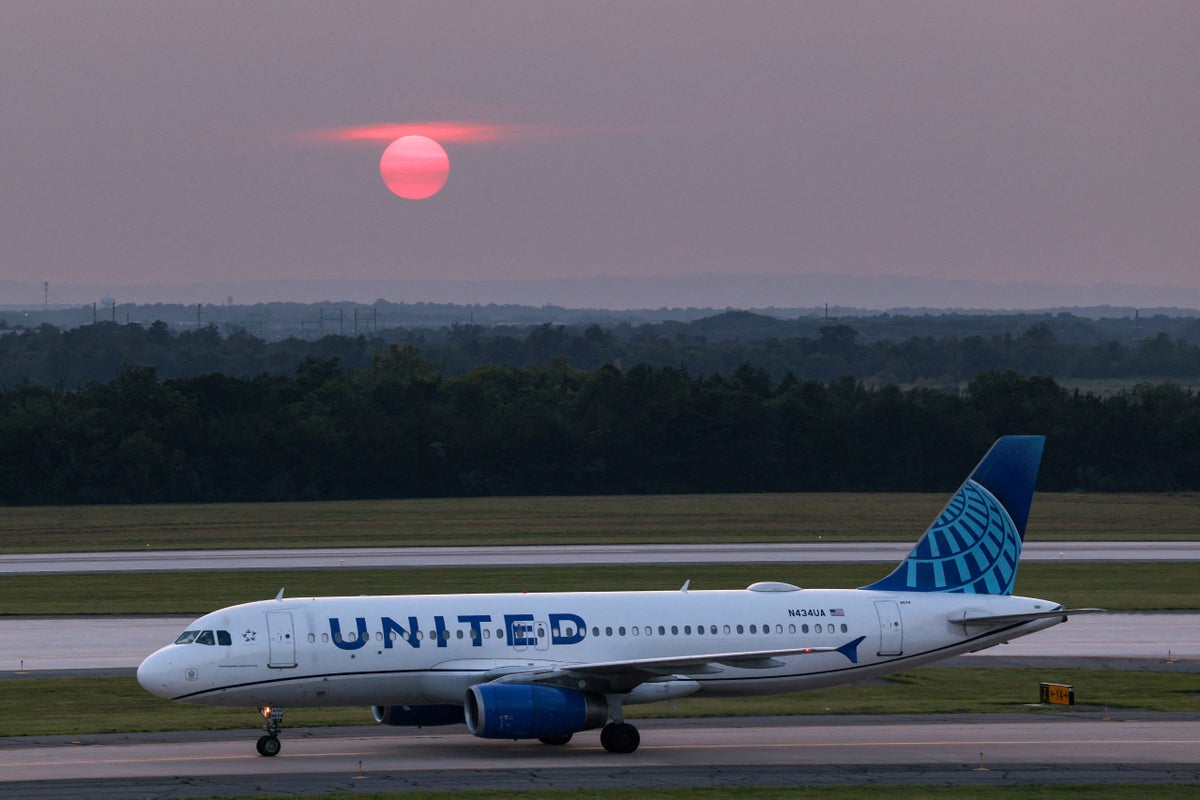
Nobody books a transatlantic flight expecting a day-long endurance test. You pack your noise-canceling headphones, you hope for a decent movie selection, and you mentally prepare for seven or eight hours in a metal tube. But aviation is completely unpredictable. Weather anomalies turn standard journeys into grueling marathons.
When a routine Scotland to Chicago flight stretches into a twenty-hour ordeal featuring overflowing bathrooms and stranded passengers, it exposes the brutal reality of modern air travel. You sit on the tarmac or get diverted to remote airports with zero infrastructure to handle hundreds of angry travelers. Systems break down. Crews time out. Frustration spikes.
Let's look at what actually happens when severe weather hijacks your itinerary, and more importantly, how you can survive it without losing your mind.
The Anatomy of a Long Haul Flight Breakdown
Most travelers assume airlines have a master plan for every emergency. They don't. When a severe winter storm or massive turbulence corridor blocks a primary transatlantic route, air traffic control scrambles. Planes get diverted to secondary airports that lack custom facilities or adequate ground staff.
Take the Scotland to Chicago corridor. Flights typically leave Edinburgh or Glasgow and track northwest over the Atlantic. If severe weather forces a diversion—perhaps back to a regional hub or an unscheduled stop in Canada—the cascade of delays begins instantly.
Planes cannot open doors until proper stairs and ground personnel are available. Federal regulations limit how long pilots and flight attendants can legally work. Once a crew times out, your plane is effectively paralyzed.
Bathrooms fill up fast. This sounds gross because it is. On a modern wide-body aircraft, waste systems have finite capacities. When a plane sits stationary on a tarmac for six hours with working plumbing used by two hundred stressed people, things back up. Once the holding tanks hit capacity, flight crews must lock the lavatories.
Conditions deteriorate quickly. Cabin air grows stale. Snack supplies dwindle. Tempers flare. It's a textbook recipe for passenger panic.
Passenger Rights and Airline Realities
You've probably heard about passenger bill of rights legislation. You might think you're guaranteed compensation or a quick hotel voucher the second things go sideways.
The truth is much messier. International flights operating out of the UK fall under specific regulations like UK261, which provides robust compensation frameworks for flight cancellations and severe delays. However, airlines constantly invoke the "extraordinary circumstances" clause.
Severe weather almost always counts as an extraordinary circumstance.
If a blizzard or dangerous crosswinds shut down Chicago O'Hare, the airline isn't necessarily on the hook for cash compensation because nature caused the disruption. They are, however, required to provide basic care. That means food, water, and hotel accommodations if you're stuck overnight.
Getting those vouchers is another story entirely. Standing in a line with three hundred other desperate people while customer service agents stare blankly at crashed computer terminals builds character, but it rarely yields quick results.
How to Protect Yourself Before You Leave the Gate
You cannot control the jet stream or sudden electrical storms over the Atlantic. You can, however, build a personal buffer against catastrophic delays. Experienced travelers don't leave their comfort entirely in the hands of the carrier.
Pack a survival kit in your carry-on bag. Never check all your essentials.
- Bring a high-capacity portable power bank because airport outlets will be swarmed or broken.
- Pack protein bars, nuts, or actual meals. Airline snacks disappear within the first hour of a ground delay.
- Download entertainment offline. Streaming services fail when thousands of people hammer the same local cell towers or airport Wi-Fi.
- Keep a refillable water bottle empty through security, then fill it before boarding. Dehydration accelerates exhaustion during long tarmac sits.
Download the airline's official mobile app before heading to the airport. Push notifications often alert you to gate changes or weather diversions twenty minutes before gate agents announce them over the scratchy PA system. Being the first person to rebook through the app while everyone else stands in line saves hours of misery.
What to Do When Your Flight Goes Off the Rails
If you find yourself trapped on a plane for twenty hours, your strategy shifts entirely to damage control.
First, drop your expectations for customer service. The flight crew is dealing with their own exhaustion and corporate mandates. Yelling at a gate agent who has been working a sixteen-hour shift gets you nowhere fast.
Second, monitor your own physical health. Move your legs in your seat to prevent deep vein thrombosis. Drink water whenever it's offered.
Third, take screenshots of everything. Capture flight status updates, notifications about delays, and receipts for any out-of-pocket expenses you incur while stranded. When you finally make it home, you'll need that documentation to fight for refunds or travel insurance payouts.
Transatlantic travel remains one of the safest modes of transportation on earth. But when weather disrupts the delicate choreography of global aviation, the system shows its cracks. Knowing what to expect keeps you calm when the bathrooms overflow and the departure board flashes delayed for the fifth consecutive hour.
Pack smart, download the apps, and assume your schedule is just a rough draft.

/i.s3.glbimg.com/v1/AUTH_51f0194726ca4cae994c33379977582d/internal_photos/bs/2025/i/r/awbO2yQqaKlcaE88EbfQ/saveinsta.to-487450509-18505253173001043-4348954377809315877-n.jpg)