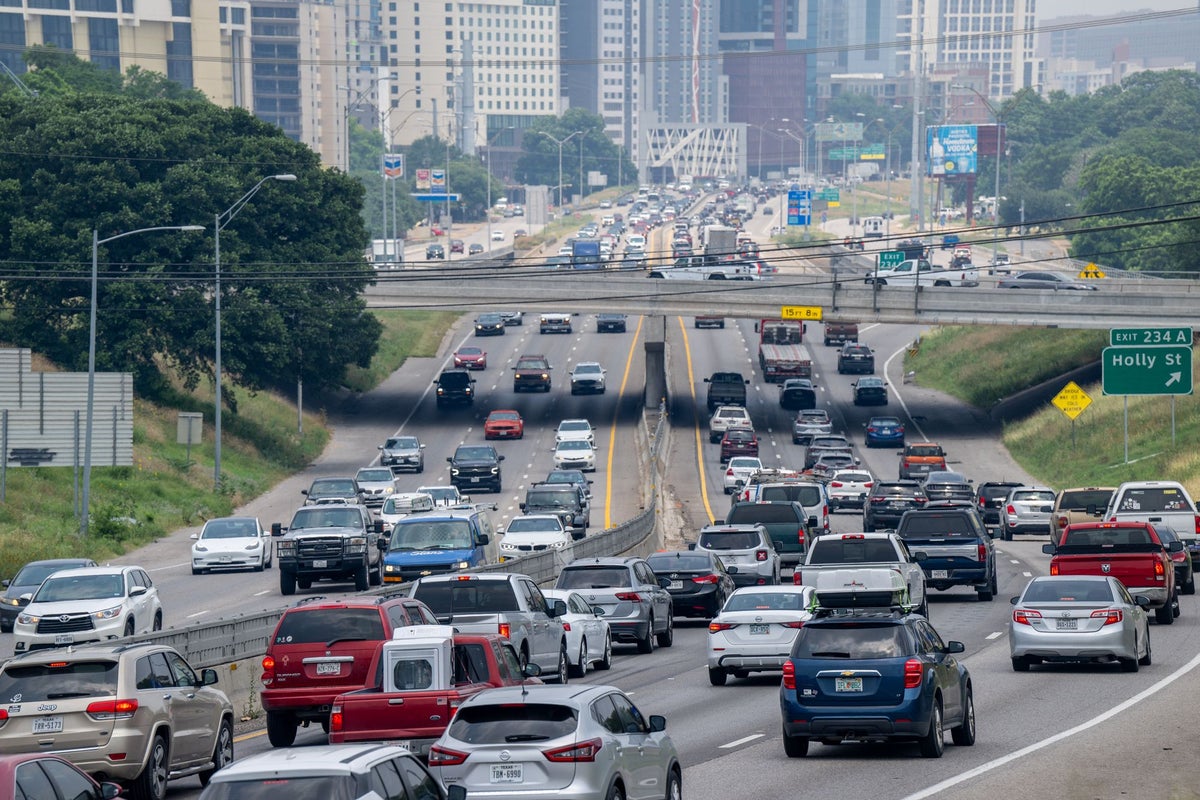
You’re likely sitting in a car or a train right now. Maybe you’re staring at the taillights of a crossover SUV, wondering why your podcast feels like a chore. The truth is simple. Your commute is a tax you pay for the privilege of owning a home you can actually afford. It’s a transaction. You trade your life force and your sanity for an extra bedroom or a patch of grass.
We’ve been told for decades that "drive until you qualify" is the smart move. It isn't. It’s a trap. As home prices in city centers skyrocket, workers are being pushed further into the periphery. This isn't just a minor annoyance. It’s a systemic drain on our collective well-being. When you spend two hours a day in transit, you lose ten hours a week. That’s 500 hours a year. That’s an entire month of your waking life spent in a metal box because the housing market is broken.
The math of the modern commute doesn't add up anymore. People are moving further away to save $500 a month on a mortgage, only to spend $600 on gas, maintenance, and the hidden cost of their own stress. We need to stop pretending this is a personal choice and start seeing it as a crisis of urban planning and economic policy.
The true cost of the suburban compromise
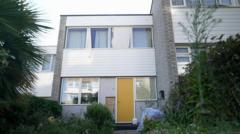
Most people look at the sticker price of a house and stop there. They see a four-bedroom home in the exurbs for $400,000 and compare it to a two-bedroom condo in the city for $600,000. The choice feels obvious. But the exurb house comes with a hidden "commuter tax" that never shows up on a closing statement.
According to data from the U.S. Census Bureau, the average one-way commute has hit an all-time high of nearly 30 minutes. That’s the average. In major hubs like New York, London, or San Francisco, "super-commuters" travel 90 minutes or more each way. If you’re one of them, you’re essentially working a second, unpaid job just to get to your first one.
It’s not just about time. It’s about health. Researchers at Washington University in St. Louis found that longer commutes are linked to higher blood pressure, increased BMI, and lower cardiovascular fitness. You aren't just losing time. You're losing years of your life. The cortisol spike of merging into gridlock isn't a "routine." It’s a physical assault on your nervous system.
I’ve talked to people who moved sixty miles away to get a backyard for their kids. The irony? They’re never home to see their kids play in it. They leave before sunrise and get back after bedtime. They’ve bought a lifestyle they can't actually live.
Why affordable housing isn't where the jobs are
The disconnect is embarrassing. We build offices in the city and houses in the cornfields. This "spatial mismatch" is the primary driver of our current misery. In the 1950s, the dream was a suburban paradise connected by a shiny new highway. That dream has curdled. The highways are now parking lots.
Zoning laws are the villain here. Most cities make it nearly impossible to build high-density, affordable housing near job centers. Instead, they protect "neighborhood character," which is often just code for keeping prices high and new people out. This forces the workforce to migrate outward.
When you look at the numbers, the lowest-income workers often have the longest commutes. They can’t afford the luxury of living near the office. They’re stuck on bus lines that take three transfers or driving beat-up cars that eat half their paycheck in repairs. It’s a cycle of poverty fueled by pavement.
The remote work myth and the return to office
For a while, we thought the pandemic fixed this. Remote work was going to be the great equalizer. You could live in a cabin in the woods and work for a tech giant. But 2024 and 2025 saw a massive "return to office" push. CEOs decided they missed "serendipitous encounters" at the water cooler.
What they actually did was claw back the one benefit that made the housing crisis bearable: time. If you moved further away during the "work from home" era, you’re now facing a choice between a grueling commute or finding a new job in a cooling market. It’s a power move by corporations that ignores the reality of where people can afford to live.
Hybrid work is often touted as the middle ground. It’s better, sure. But even three days a week in the office means you’re still tethered to a specific radius. You’re still paying for a car. You’re still losing six hours a week to the road. It’s a bandage on a gaping wound.
How to reclaim your time without going broke
If you’re feeling the weight of the commute, you need a radical shift in how you calculate value. Stop looking at just the mortgage payment. Look at the "total cost of living."
- Calculate your hourly rate for commuting. If you make $50 an hour and spend 10 hours a week commuting, that’s $500 of "lost" value. Add that to your monthly expenses. Suddenly, that city apartment doesn't look so expensive.
- Aggressively negotiate for remote days. Don't just ask. Show the data. Prove that your output is higher when you aren't drained by a 40-mile trek.
- Consider the "missing middle." Look for housing in older, inner-ring suburbs that have public transit links. They might not have the granite countertops of a new build, but they have the gift of time.
- Audit your vehicle expenses. Most people underestimate what their car costs. Between insurance, depreciation, fuel, and maintenance, the average car costs over $10,000 a year to run. If moving closer allows you to go down to one car (or zero), you’ve just found a massive chunk of change for rent.
The search for affordable homes shouldn't be a search for a longer commute. It should be a demand for better cities. We need to stop accepting that a two-hour round trip is a normal part of adult life. It isn't. It’s a failure of design and a theft of the only resource you can never get back.
Start by looking at your current situation with cold, hard logic. If your house is a "steal" but your life feels like a grind, you aren't actually saving money. You’re just spending your life to pay for a building you only see through a sleepy haze at 10 PM. Stop the bleed. Move closer, work remotely, or change the game entirely. Your time is worth more than a spare bedroom. Reach out to your local planning board. Demand denser housing. Support transit. The road won't love you back, no matter how many hours you give it.