The Relic Trap
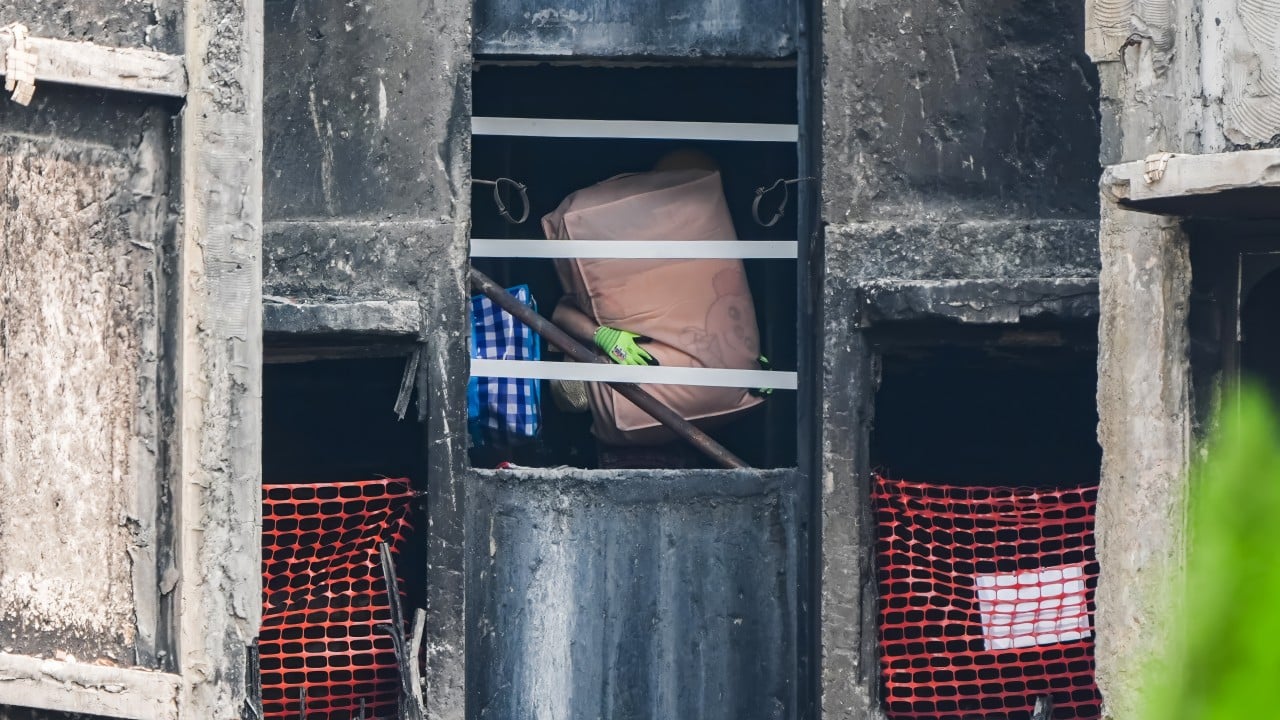
The recent coverage of Wang Fuk Court residents scaling stairs to "rescue" family heirlooms is a masterclass in misplaced sentimentality. Media outlets have painted a picture of heroic preservation—elderly residents and their families defying physical exhaustion to salvage what the cameras call "treasures."
Let’s be honest. Most of what is being hauled down those stairs is junk.
We have been conditioned to believe that an object’s value is tied to its age or the person who once touched it. This is a cognitive bias known as the endowment effect, amplified by a culture that confuses clutter with heritage. When people risk their physical safety to retrieve a water-damaged sewing machine or a stack of yellowing documents, they aren't saving history. They are falling victim to the sunk cost fallacy.
The tragedy isn't the loss of the items. The tragedy is the mental weight these objects place on the living.
The High Cost of Physical Memory
The "lazy consensus" suggests that we are cold or heartless if we don't value every knick-knack from a deceased relative’s apartment. I have spent decades watching families tear themselves apart over who gets the "antique" cabinet that is actually just mass-produced plywood from the 1970s.
True heritage exists in the mind and the bloodline. If your memory of a grandmother depends on a chipped porcelain bowl, your memory was already failing.
The Physics of Burden
Consider the actual energy expenditure. Residents at Wang Fuk Court are navigating vertical heights equivalent to small mountains to retrieve physical matter.
- Caloric Cost: The physical strain on an aging body.
- Opportunity Cost: Time spent hauling boxes is time not spent grieving or planning for a stable future.
- Space Cost: Where do these items go? They move from one cramped apartment to another, consuming square footage that costs thousands of dollars per month in the Hong Kong real estate market.
In a city where space is the most valuable commodity, holding onto "family treasures" is a luxury most people cannot afford, yet they feel morally obligated to pay the price.
The Digital Escape Hatch
We live in an era where physical preservation is largely obsolete. The premise of the "long climb" is flawed because it assumes the object and the memory are inseparable.
I’ve seen estates where the most valuable item was a single USB drive containing scanned photos, yet the family spent $10,000 on climate-controlled storage for moth-eaten rugs. If you want to honor your ancestors, digitize the records and sell the hardware.
Imagine a scenario where a resident takes a high-resolution photo of that heavy mahogany desk and then leaves the physical weight behind. They walk down the stairs light, unencumbered, and with the "memory" safely in their pocket. Why isn't this the standard? Because we have been sold a lie that says "stuff" equals "love."
The Hoarder’s Moral Shield
By labeling these items as "treasures," the media provides a moral shield for hoarding. It’s a harsh reality, but many of the items being "saved" from Wang Fuk Court will sit in a different cardboard box in a different hallway for the next twenty years until the next generation is forced to throw them away.
We need to stop romanticizing the refusal to let go.
When Sentimentality Becomes Self-Sabotage
- Safety Hazards: Overloading a temporary living space with salvaged goods creates fire risks and mobility issues.
- Emotional Stagnation: Surrounding yourself with the physical debris of a closed chapter of your life prevents you from starting the next one.
- The Valuation Gap: There is a massive disconnect between "sentimental value" and "market value." If you can't sell it for $50 on the open market, it’s not an asset. It’s an anchor.
The Superior Strategy: Radical Curation
If you find yourself in a position where you must vacate a home quickly, follow the Rule of Three.
- One item of utility: Something you will actually use every day.
- One item of pure aesthetics: Something that genuinely improves the look of your new space.
- One item of documentation: A birth certificate, a diary, or a photo.
Everything else is noise. Everything else is gravity.
The residents of Wang Fuk Court shouldn't be celebrated for their stamina in hauling boxes. They should be encouraged to recognize that their value as human beings—and the value of their family history—is not contained in the ceramics and textiles they’ve spent a lifetime collecting.
The most "contrarian" thing you can do when a building is closed is to walk away with nothing but your health and your memories.
Stop carrying the weight of the dead. It’s time to move faster, travel lighter, and stop pretending that your basement is a museum. It's just a basement. Leave it behind.