The air in the central plateau of Iran carries a specific, dry weight. It smells of dust and cooling concrete. For those living in the shadow of the nation’s sensitive industrial zones, the night is rarely just a time for sleep. It is a period of heightened observation. Somewhere in the dark, between the hum of electrical grids and the silent stretch of the desert, a high-stakes chess match reached its endgame.
Four individuals moved through this space not as citizens, but as ghosts. They were men recruited, trained, and directed by Mossad, the Israeli intelligence agency. Their mission was not to build, but to dismantle. They carried with them the weight of a silent war that has simmered for decades, a conflict fought in the static of intercepted signals and the precise vibration of high-end explosives.
This was not a simple arrest. It was the severing of a digital and physical nerve.
The Mechanics of the Invisible
Intelligence work often looks nothing like the cinema. There are no high-speed chases through neon-lit streets. Instead, there is the slow, agonizing process of "living the lie." These four operatives had to integrate. They had to exist in the mundane—buying bread, complaining about the heat, checking their phones—all while maintaining a secondary, hidden consciousness.
The Iranian Ministry of Intelligence described the group as a sophisticated cell equipped with the latest in operational technology. To understand what this means, we must look past the hardware. Imagine the psychological toll of carrying a device that, if discovered, becomes a death warrant. Every encrypted message sent is a gamble with the abyss.
They entered Iran through the borders of the Kurdistan region, a porous and rugged terrain where the geography itself favors the secretive. They weren't just carrying tools; they were carrying a specific intent to strike at a facility in Isfahan, a city that serves as the beating heart of Iran’s aerospace and defense ambitions.
The Digital Leash
Mossad’s reputation for technical prowess is well-documented, but the human element remains the most volatile variable. The recruitment process often begins far from the target zone. It starts in the digital ether or in third-party countries where vulnerabilities are mapped out like topography.
A person might be recruited through a series of "soft" requests. A bit of information here. A photograph of a non-sensitive building there. By the time the recruit realizes they are working for a foreign intelligence agency, the hook is set. The transition from a civilian to a "spy" is a slow erosion of previous loyalties, replaced by a singular, focused objective.
In this instance, the four operatives were reportedly trained in African countries. This is a common tactic in the modern intelligence landscape. By moving trainees through multiple continents, the "handlers" create a fragmented trail that is nearly impossible for counter-intelligence to stitch together. The goal is to strip the operative of their original identity and coat them in a layer of plausible deniability.
The Moment the Silence Breaks
The failure of a mission usually happens long before the handcuffs click. It happens in the "tells." Perhaps a frequency was monitored for a millisecond too long. Maybe a contact in the Kurdistan region was already under surveillance, a single thread being pulled until the entire tapestry unraveled.
Iranian security forces claimed they had been tracking the group from the moment they crossed the border. This "cat and mouse" game is the true reality of modern espionage. Counter-intelligence doesn't always strike immediately. They watch. They wait to see who else the cell contacts. They listen to the silence between the transmissions, waiting for the one mistake that reveals the ultimate target.
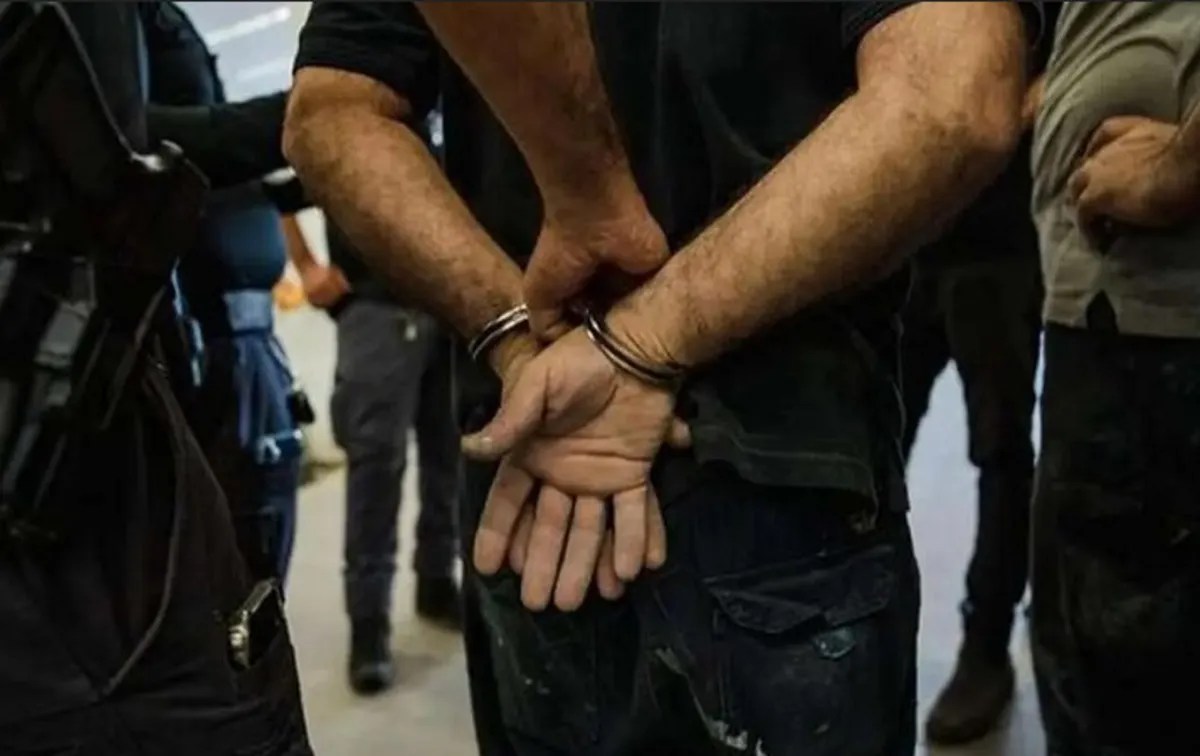
When the strike finally came, it was clinical. The Ministry of Intelligence waited until the operatives were on the verge of executing their sabotage mission. This timing is intentional. It maximizes the psychological blow to the opposing agency while providing the most concrete evidence for a public trial.
The Stakes of the Silent War
Why Isfahan? Why now?
The city is more than just a historical gem of Persian architecture. It is a hub for the development of advanced weaponry and drone technology. In a world where the battlefield is increasingly dominated by unmanned systems, the blueprints held within Isfahan’s laboratories are more valuable than gold.
When a cell like this is neutralized, the loss isn't just measured in the four lives now facing the gallows. It is measured in time. Mossad now has to account for a "black hole" in its intelligence gathering. They have to assume their methods, their encryption, and their local contacts are compromised. The "burned" assets create a ripple effect that forces an entire agency to retreat, recalibrate, and start the slow, expensive process of rebuilding from zero.
On the other side, the Iranian state uses these arrests as a display of domestic strength. It is a message to their own population and to their adversaries: the walls have ears, and the desert has eyes.
The Human Cost of Geopolitics
We often talk about these events in the abstract, as if they are movements on a board. But there is a visceral, human terror involved in being "found."
Consider the moment the door was kicked in. The sudden transition from a calculated, quiet existence to the harsh reality of an Iranian detention center. There is no rescue coming for these men. In the world of high-stakes espionage, you are an asset until you are a liability. Once you are captured, the agency that sent you becomes a ghost. You are left alone with the choices you made and the ideology—or the money—that convinced you to take the risk.
The families of these individuals likely have no idea where they are. In many cases, these operatives disappear from their lives long before the arrest, leaving behind a trail of confusing stories and empty chairs at dinner tables.
The Unending Cycle
The capture of these four individuals will not end the shadow war. If anything, it intensifies it. For every cell that is broken, another is likely being formed in a quiet apartment in a different city. The technology will get smaller. The encryption will get deeper. The methods of entry will become even more convoluted.
We live in an era where the front lines of a war are not marked by trenches, but by the quiet hum of a server room or the unnoticed passage of a stranger on a dusty street. The arrest in Iran is a brief flash of light in a room that is otherwise pitch black. It reminds us that beneath the surface of our daily lives, a different kind of history is being written—one of betrayal, incredible technical skill, and the cold reality of statecraft.
As the sun rises over the mosques and factories of Isfahan, the city returns to its routine. The dust settles on the roads the four men once walked. The silence returns, but it is a heavy, expectant silence. In the world of shadows, every ending is merely the quiet beginning of the next operation.
The names of the four men may eventually fade into the footnotes of intelligence reports, but the impact of their failure will be felt in the corridors of power for years. They are the latest casualties in a war that has no clear victory, only the temporary absence of noise.