The morning air in the industrial periphery of Johannesburg often carries a biting chill, a reminder of a winter that refuses to yield its grip entirely. Dust settles on corrugated iron roofs. Trains rumble in the distance, hauling cargo toward the ports. For most, the dawn signals the beginning of a grueling commute, a scramble for minibus taxis, and the quiet resilience that defines daily survival in South Africa.
But in certain patches of scrubland, near abandoned mining shafts and overgrown vacant lots, dawn brings a different kind of dread.
The discovery of a body changes the atmosphere of a community. It transforms a landscape from a place of transit into a crime scene. Then comes the second body. Then the third. By the time investigators pull back yellow tape for the ninth time, a grim arithmetic takes hold. Statistics replace names. Case numbers replace daughters, sisters, and mothers.
South Africa is grappling with a profound, terrifying reality. A series of killings has sent shockwaves through communities already accustomed to high rates of violent crime, laying bare an anatomy of vulnerability that stretches far beyond any single neighborhood.
To understand the weight of these events, one must step away from the bulletin boards of police precincts and look closely at the geography of fear.
Imagine a footpath cutting through tall grass, a shortcut used by factory workers and school children alike to shave twenty minutes off a long walk. It is bordered by rusted industrial machinery and choked with weeds. It is a space caught in the administrative cracks—too remote for regular municipal patrols, too close to urban centers to be truly wild. It is in these liminal zones that the vulnerable are hunted.
When the ninth body was recovered near an abandoned shaft, police spokespersons stood before microphones. They spoke in measured tones. They mentioned task forces, forensic teams, and ongoing autopsies. They used terms like "modus operandi" and "serial nature."
Yet, behind the vocabulary of law enforcement lies a stark human tragedy. Each victim had a history, a family waiting for a phone call that would never come, a routine interrupted forever.
The public reaction is a mixture of numbness and fury. Protesters gather at street corners. Placards are hoisted into the air. Slogans demand protection, justice, and accountability. The anger is palpable, fueled by a collective fatigue. Women in South Africa navigate an invisible obstacle course every single day. Walking to a bus stop requires a calculus of risk. Staying late at work demands arranging escorts or expensive transport. The burden of safety falls almost entirely on the potential target rather than the state.
Sociologists and criminologists point to systemic failures that allow such predators to operate in plain sight. High unemployment rates drive people into isolated areas looking for scrap metal or informal jobs. Inadequate lighting, overgrown vegetation, and abandoned properties create natural blind spots. When the physical infrastructure of a city crumbles, it provides shelter not just to the destitute, but to the predatory.
Furthermore, public trust in investigative institutions is fragile. When communities feel that reports of missing persons are met with administrative delay rather than immediate urgency, fear mutates into vigilantism or complete despair. Families often take the search into their own hands, printing flyers with photocopied faces, walking the perimeter of industrial parks, calling out names into the empty air.
The police response to this string of homicides has required a mobilization of specialized units. Investigators pore over cellular data, DNA samples, and historical case files, searching for the thread that ties these women together. Is it a single perpetrator moving through the industrial belt? Or are multiple actors emboldened by the lack of deterrence?
The answers remain elusive, hidden behind the bureaucratic walls of ongoing investigations.
What remains starkly clear is the psychological toll exacted on the populace. A society where walking outdoors carries a mortal risk is a society under siege from within. The psychological residue of these killings lingers long after the police tape is removed and the media vans depart. It alters how people move, how they speak, and how they view the spaces they inhabit.
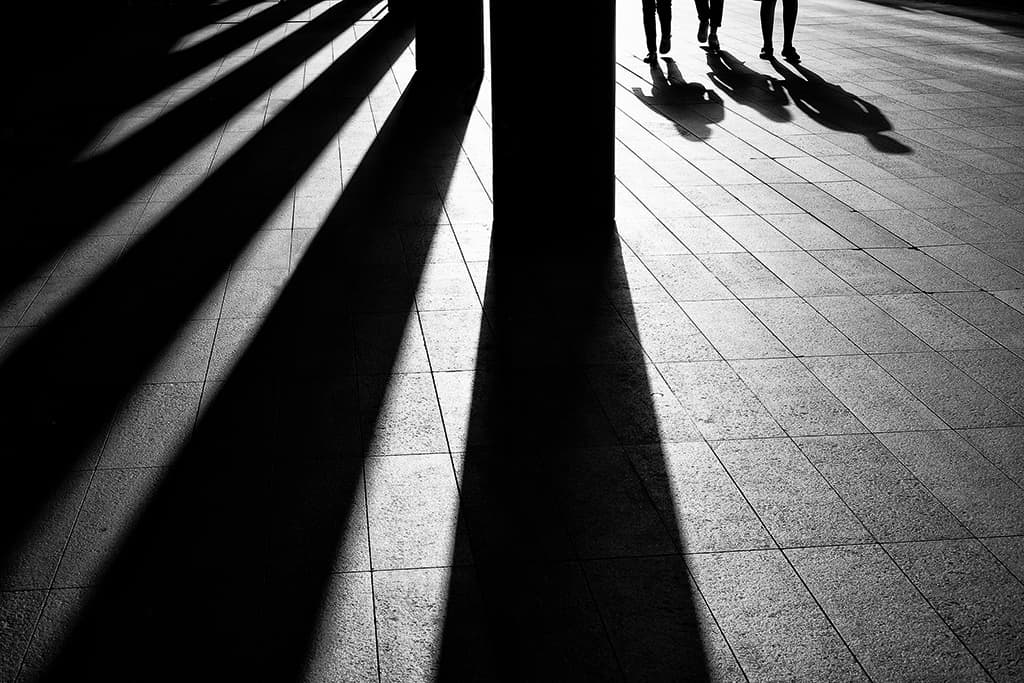
The sun dips below the horizon, painting the Johannesburg skyline in bruised shades of purple and orange. Streetlights flicker to life, casting long, fractured shadows across the pavement. Behind locked doors and drawn curtains, the living wait for morning, haunted by the quiet realization that the shadows still hold secrets waiting to be uncovered.


