Tropical idylls rarely feature in homicide reports. For decades, the image sold to the world has remained static: a sanctuary of surf breaks, terraced rice paddies, and restorative isolation. Millions of travelers arrive every year seeking escape from the pressures of modern industrial life, trading the gray concrete of Western capitals for the humid emerald hills of Indonesian provinces.
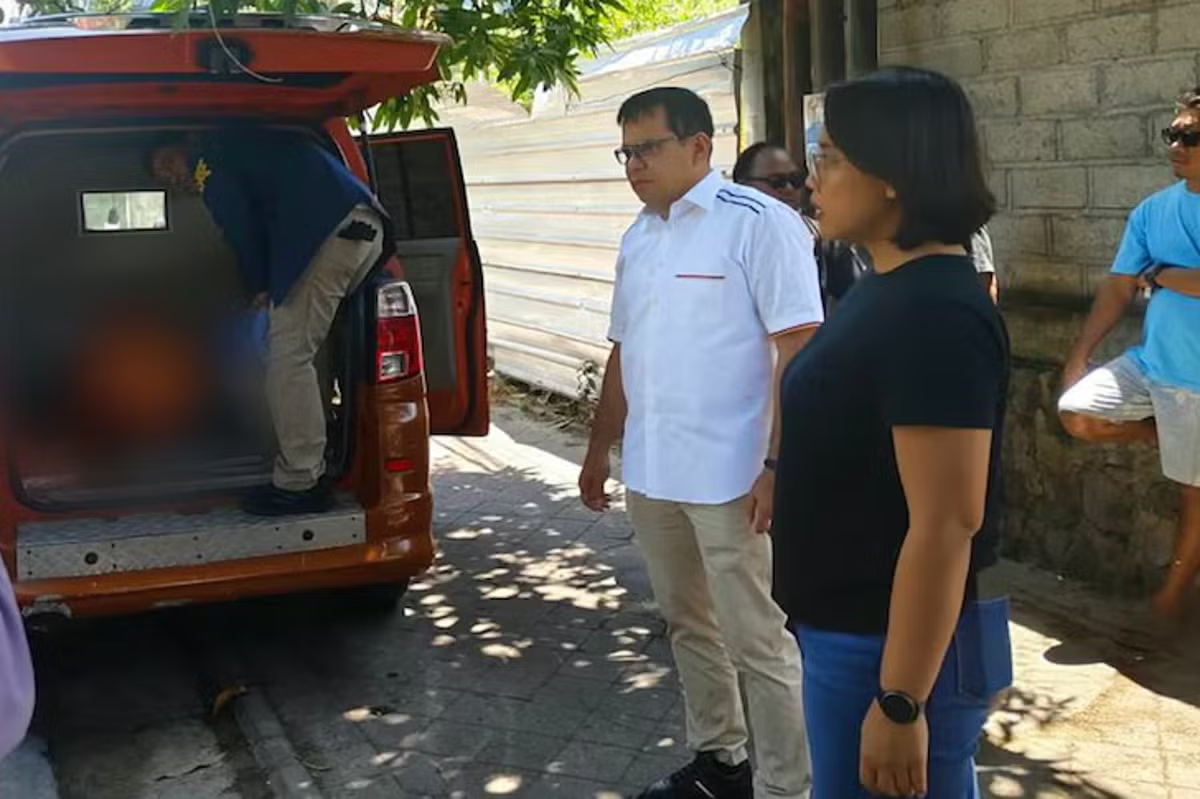
Yet beneath the postcard veneer lies an intense psychological pressure cooker. When an Australian man and young children were discovered dead in a Bali residence, the initial shock waves rippled instantly across international news wires. Local police launched an exhaustive homicide and forensic inquiry, sealing off the property and interviewing neighbors. While the immediate reporting focused on the grim mechanics of discovery, the broader picture points to a darker, less discussed phenomenon. The incident forces an uncomfortably sharp look at the hidden vulnerabilities of expatriate and long-term foreign populations living abroad under immense personal, financial, or emotional strain.
The Anatomy Of Island Isolation
Moving halfway across the globe does not erase human problems. It often magnifies them. Foreign nationals relocating to Southeast Asian destinations frequently chase an idealized existence, cutting ties with established social support networks back home.
When things go wrong, the distance becomes physical and psychological. Financial collapse, failed business ventures, relationship breakdowns, and untreated mental health struggles compound rapidly when experienced in a foreign country. Local police in tourism-heavy regions report a steady stream of domestic distress calls that never make international headlines. Language barriers, unfamiliar bureaucratic systems, and the stigma surrounding psychological distress create barriers to intervention.
Veterans of foreign bureaus understand the pattern well. The expatriate community in places like Bali is intensely transient and stratified. Some live in luxury villas shielded by private security walls, while others scrape by on dwindling savings, working informal remote jobs while wrestling with visa pressures and precarious legal status. The contrast between the sun-drenched Instagram feed and the quiet desperation inside a rented room can be staggering.
When Foreign Bureaucracies Meet International Tragedy
Investigating multi-fatalities involving foreign nationals presents complex logistical and diplomatic hurdles for local authorities. Indonesian law enforcement agencies face intense scrutiny from foreign embassies, international media, and grieving families thousands of miles away.
Forensic teams must secure crime scenes in humid tropical climates where evidence degradation happens rapidly. Toxicology reports, autopsies, and digital forensics require coordination between regional police units and national forensic laboratories in Jakarta. Interpreters, consular officials, and specialized investigators must synchronize their efforts while managing public speculation driven by social media rumors.
In this specific case, regional police departments moved cautiously, emphasizing that conclusions would rely strictly on forensic science rather than preliminary assumptions. The reliance on thorough post-mortem examinations and witness testimony highlights the methodical nature of modern Indonesian policing, which has grown increasingly sophisticated in handling high-profile international cases over the last decade.
The Myth Of Permanent Vacation
The romanticization of tropical relocation is a multi-million-dollar industry. Travel influencers, lifestyle bloggers, and remote work evangelists continually market the narrative that stress dissolves the moment one lands in Denpasar.
This toxic optimism prevents people from seeking help. Admitting failure in paradise carries a unique psychological weight. To struggle in London or New York is common; to struggle in a tropical resort destination feels like a personal indictment of one's lifestyle choices. Friends and family back home often see only the sunset photographs, remaining entirely oblivious to mounting debts, escalating family conflict, or severe isolation.
Resource allocation for mental health support among expatriates remains severely lacking. Consulates provide administrative assistance, emergency repatriation coordination, and lists of local English-speaking professionals, but they are not equipped to act as crisis intervention centers. Private psychiatric care in Indonesia is available in major urban hubs, but access for foreigners living in remote districts or smaller towns is limited.
Beyond The Police Tape
As the forensic investigation concludes and the diplomatic channels manage the repatriation of remains, the broader societal questions linger. Headlines fade quickly as the news cycle moves toward the next geopolitical or cultural flashpoint, leaving local residents and the remaining expatriate community to process the trauma.
The reality of transnational relocation demands a sober reappraisal. Paradise is a geographic coordinate, not a psychological shield. Until the international community confronts the genuine mental health risks associated with long-term rootlessness and the illusion of perpetual ease, tragedies behind closed villa doors will continue to shatter the tropical illusion.