The sea does not care about politics. It does not weigh ideologies, nor does it pause to consider the rhetoric of division that echoes along the chalk cliffs of Dover. It simply rises and falls, indifferent and vast. Yet, human hands reach into that cold water every day, carrying anger, fear, and hostility.
On a gray morning in the English Channel, the consequences of that hostility materialized in a way that shocked even seasoned observers. A far-right activist was arrested following an incident involving a migrant boat being deliberately slashed. It was an act born not of sudden impulse, but of a quiet, corrosive escalation that has been brewing along European coastlines for years.
The Anatomy of Border Tensions
To understand how a knife meets an inflatable rubber hull in the middle of a freezing sea, you have to look backward. You have to trace the path from angry online forums to windswept beaches.
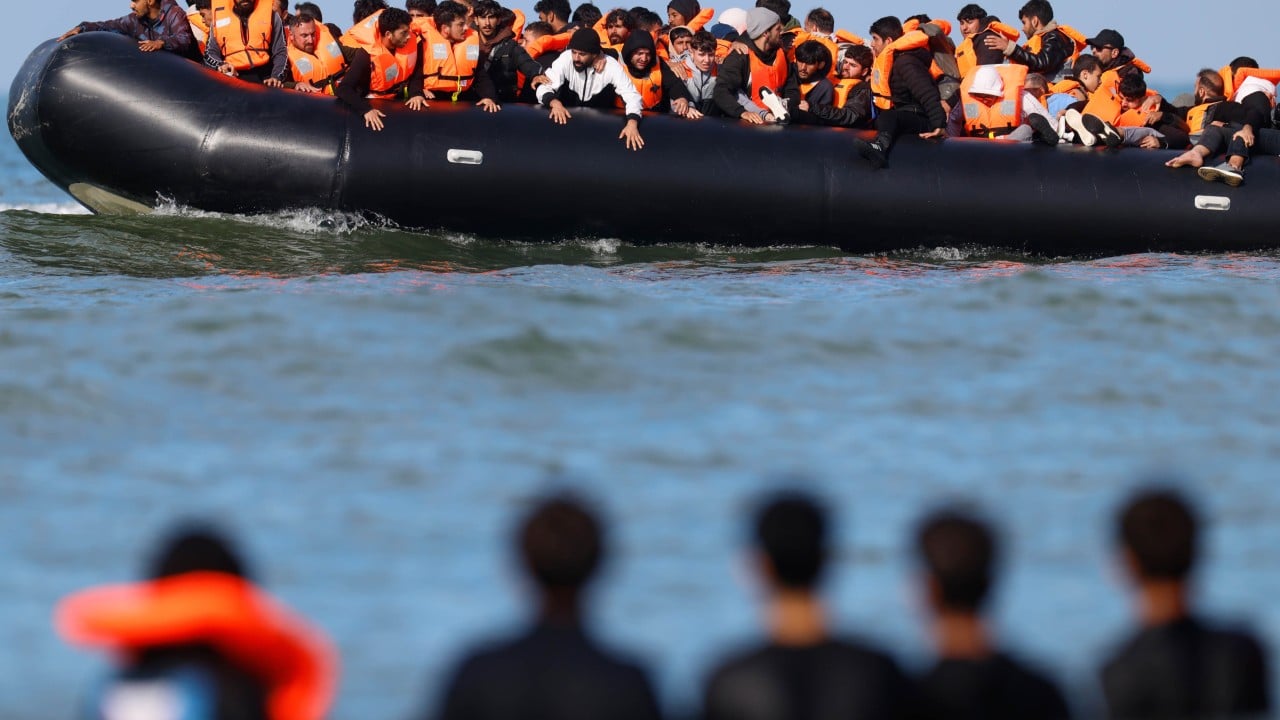
For months, coastal towns have found themselves at the epicenter of a geopolitical fault line. Small boats carrying desperate people across one of the busiest shipping lanes in the world have become flashpoints. On one side are humanitarian volunteers and coastguards racing against time to pull freezing families from the water. On the other side are militant nationalist groups who view every successful crossing as a crisis of sovereignty.
This particular morning started like many others. Lookouts watched the horizon. Motors hummed faintly over the sound of breaking waves. But the nature of the interference shifted from shouting matches on the shingle to direct, physical sabotage on the water. Slashing a boat isn't just a political statement. It is a direct threat to human life, executed in an environment where a single leak can mean hypothermia, panic, and drowning.
When Rhetoric Meets Reality
Words matter. When public discourse routinely dehumanizes migrants, reducing human beings to statistics or security threats, it lays the psychological groundwork for violence. It creates a permission structure.
Consider the mindset required to approach a fragile vessel carrying children, women, and men seeking asylum, with the intent to damage it. It requires a profound dissociation from the humanity of others. It requires seeing the ocean not as a shared expanse of human vulnerability, but as a battlefield.
When law enforcement stepped in and made the arrest, it sent a clear signal. There is a wide chasm between political protest, however fierce, and active sabotage that endangers lives at sea. Maritime law is ancient and uncompromising. The safety of vessels in distress overrides borders, nationalities, and political grievances.
The Wider Ripple
The ripples of this arrest extend far beyond the dock where the suspect was processed. They touch upon a deeper cultural anxiety. Across the continent, communities are grappling with migration, integration, and the limits of state control.
Yet, when extremism translates into sabotage, the conversation shifts from policy debate to criminal justice. It forces a reckoning among political movements about where their rhetoric ultimately leads. Ideas have trajectories. Left unchecked, aggressive rhetoric hardens into physical acts.
As the tide turns and the investigation unfolds, the boats keep coming, guided by desperation and pushed by forces far larger than any single individual with a knife. The water remains cold. The horizon remains wide. And the question of how societies treat the vulnerable at their gates remains unanswered, hanging heavy in the salt air.