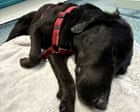
The evening air was crisp, carrying that familiar autumn scent of damp earth and fallen leaves. Arthur, a three-year-old cocker spaniel with ears like velvet curtains, trotted happily beside his owner along the park path. It was a routine as old as time—the twilight sniff, the urgent pull toward every interesting bush, the quiet companionship of the end-of-day walk.
Then, everything changed in a single, terrifying heartbeat.
Arthur stopped. His front legs stiffened. His head dipped, his eyes glazing over as he stared blankly at a patch of trampled grass beneath a oak tree. When his owner called his name, there was no tail wag, no perked-up ear. He simply swayed, his little body losing its coordination, before collapsing softly onto the sidewalk. Panic set in. A routine walk had abruptly transformed into a race against an invisible, toxic clock.
Stories like Arthur's are becoming an alarming reality across streets and parks. Vets are seeing an unprecedented surge in cases where beloved household pets stumble into veterinary clinics exhibiting bizarre, frightening symptoms: extreme lethargy, erratic behavior, severe neurological distress, and unresponsiveness. The culprit is not an obscure plant or a spoiled snack. It is the hidden residue of illicit drugs discarded carelessly in public spaces.
Consider the scale of the problem. For every well-publicized warning about chocolate or household cleaners, a far more insidious threat lurks in the very environments where animals are meant to play freely. Discarded substances—ranging from prescription medications dropped accidentally to illicit narcotics left behind in parks and alleyways—present a lethal hazard to curious noses. Dogs explore the world primarily through scent. A single sniff of a discarded wrapper or an unnoticed fragment can introduce a concentrated dose of a dangerous chemical into a small body with devastating speed.
The physiological impact is swift and terrifying. When a dog ingests or absorbs a potent pharmaceutical or street drug, their system is entirely unequipped to process it. An animal weighing thirty pounds experiences the effects of a substance intended for a human metabolism with magnified intensity. Heart rates skyrocket or plummet dangerously. Respiratory systems struggle. Seizures can follow.
Owners are often left grappling with a profound sense of helplessness. There is no warning sign posted on the grass. There is no yellow tape cordoning off the hazard. The danger is completely invisible until the symptoms take hold.
Veterinary professionals describe the heartbreak of treating these cases with a heavy sigh. They recount late-night admissions, frantic families, and the delicate, high-stakes process of stabilizing an animal whose nervous system has been hijacked by chemistry. Blood tests, intravenous fluids, continuous cardiac monitoring—the medical response is rigorous, but it relies entirely on quick action and accurate information. Too often, owners are too panicked to know what their pet encountered, forcing medical teams to treat the symptoms blindly while the clock ticks down.
Yet, awareness is the first line of defense. Understanding that public parks and urban sidewalks require the same vigilance as a medicine cabinet changes how we walk our animals. It means watching the nose, not just the feet. It means treating a sudden, uncharacteristic stumble or a glassy-eyed stare not as mere exhaustion, but as a potential emergency.
The bond between humans and their animals is built on trust. We promise to keep them safe, to guide them through a world designed for creatures twice our size, to protect them from harms they cannot comprehend. When that trust is tested by the careless actions of others, the fallout is deeply personal.
Arthur survived that autumn evening, thanks to frantic intervention and skilled veterinary care. But his recovery was slow, measured in quiet days, watchful eyes, and the lingering shadow of a danger that should never have been waiting on a park path. The next time you step outside with a leash in your hand, look a little closer at the grass. The world is full of wonders, but keeping our companions safe requires seeing the unseen.