The bathroom mirror at six in the morning does not care about your intentions. It shows the raw architecture of your waking life. For Maya, staring at her reflection three years ago meant confronting a sudden, angry rebellion on her cheeks. She was thirty-two, a corporate strategist who could forecast quarterly earnings with cold precision, yet she found herself utterly defeated by a cluster of stubborn cystic breakouts.
She had tried everything. Expensive department store jars promising miracles in glass bottles, aggressive astringents that left her skin screaming for moisture, and a dozen conflicting opinions from internet forums. Her bathroom counter looked like a pharmaceutical warehouse. And yet, every morning brought the same quiet sinking feeling. The problem was not that she lacked products. The problem was that she was treating her face like a chalkboard to be wiped clean, rather than a living, breathing organ crying out for translation.
Most of us stumble into skincare the way we stumble into foreign cities without a map. We hear buzzwords, buy shiny packaging, and hope for the best. But your skin is not a monolith. It has an ecosystem, a microbiome, and a memory. Understanding it requires abandoning the search for a universal fix and instead learning the specific dialect your particular barrier speaks.
The Chemistry Of A Barrier Under Siege
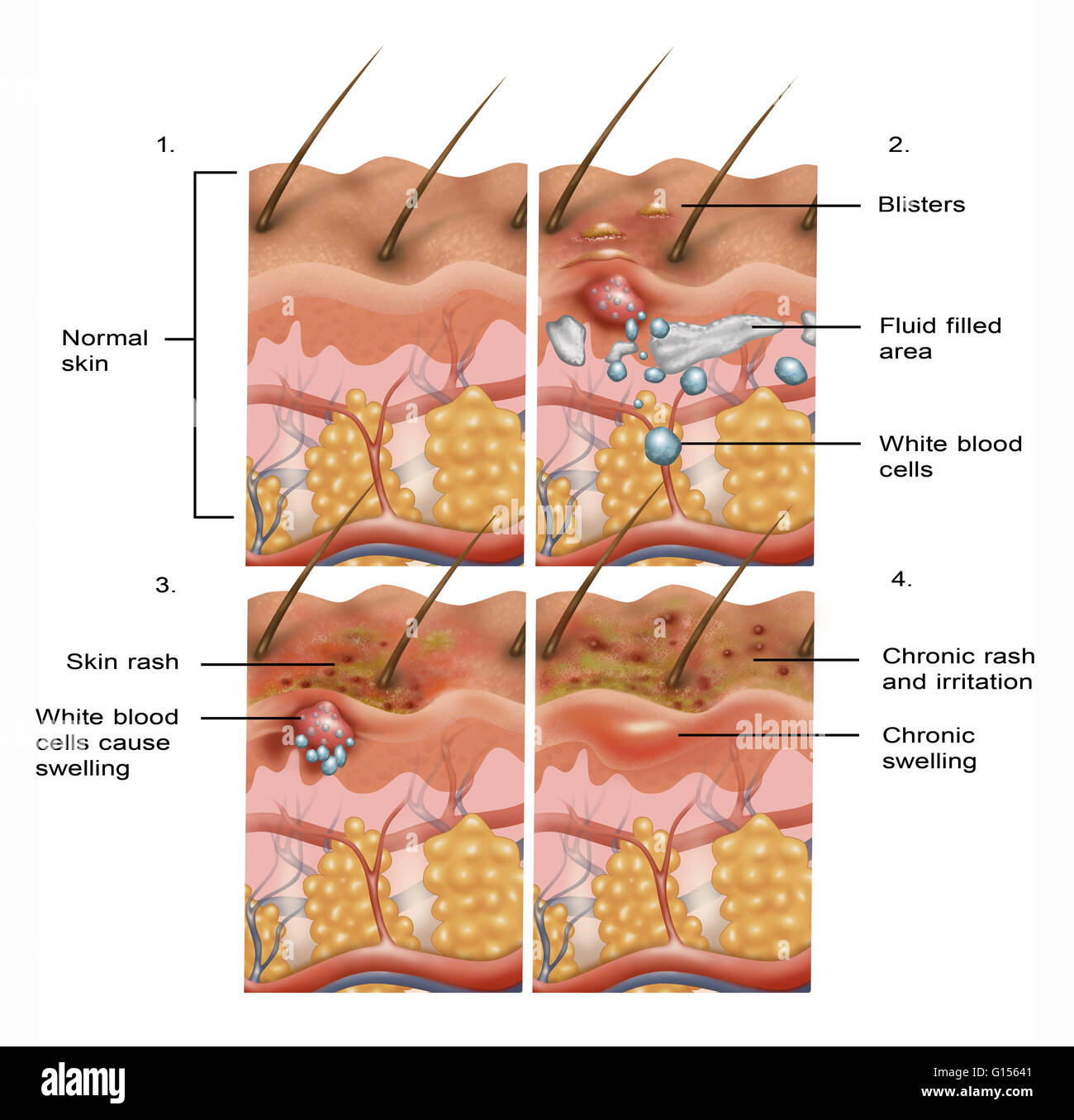
To understand why your skin reacts the way it does, we have to look beneath the surface. Imagine your outermost layer of skin—the stratum corneum—as a brick wall. The skin cells are the bricks, and the lipids, ceramides, and fatty acids are the mortar holding them together.
When you use harsh, stripping cleansers or over-exfoliate, you do not just remove oil. You take a sledgehammer to the mortar. Once those gaps open up, moisture escapes into the dry air, and irritants, pollution, and bacteria march straight inside unchecked. Your skin panics. It either floods itself with oil to compensate, or it cracks, reddens, and burns when anything touches it.
Consider Mark, a forty-five-year-old carpenter whose hands and face weathered decades of wind, sun, and sawdust. He thought dry skin was just a badge of honor, a natural consequence of hard work. By the time he sought help, his skin was so chronically inflamed that even lukewarm water felt like acid. Mark’s journey back to health did not begin with a prescription retinoid. It began with a gentle, lipid-replenishing cleanser and a thick, unsexy ointment containing petrolatum and ceramides.
Healing a compromised barrier is agonizingly slow. It requires patience that modern consumer culture rarely teaches us. You cannot force skin to regenerate overnight any more than you can rush the healing of a broken bone. But when you stop attacking your face and start protecting it, something remarkable happens. The redness recedes. The chronic tightness vanishes. The wall is rebuilt.
Decoding Your Personal Terrain
Every skin type tells a different story. If you possess oily skin, your sebaceous glands are working overtime, often driven by genetics, stress, or hormonal surges. For years, the beauty industry told people with oily skin to wage war on their sebum, scrubbing it away until the face squeaked. That squeak was actually a scream of distress. When you strip away all natural oil, your skin panics and pumps out even more.
The secret for oily skin is not eradication; it is balance. Lightweight, hydrating hydrators containing niacinamide or hyaluronic acid whisper to the skin that it is safe to dial back production. You want hydration without heaviness, a drink of water rather than a heavy coat of oil.
On the other side of the spectrum lies dry skin, where the glands produce too little sebum and the barrier struggles to hold onto water. Here, the narrative shifts toward occlusion and nourishment. Think of rich creams loaded with squalane, shea butter, and glycerin. These ingredients do not just add moisture; they lock it in, acting as a weatherproof shield against a drying world.
Then there is combination skin, perhaps the most frustratingly human of all types. It is a battlefield of contradictions. An oily T-zone flanked by dry, flaky cheeks. Treating this requires nuance, sometimes called multi-masking or zone-treating. You apply a clarifying salicylic acid serum only to the forehead and nose, while wrapping the cheeks in comforting, barrier-repairing creams. You treat your face like a micro-climate, because geographically speaking, it is one.
The Sensible Routine In A Sea Of Excess
Walk down any skincare aisle and you will find an overwhelming parade of serums, essences, boosters, and acids. The marketing machinery relies on insecurity, convincing you that your current routine is missing a crucial piece. But true skin health is remarkably minimalist.
At its core, a magnificent routine requires only three foundational pillars: protection by day, repair by night, and gentle maintenance in between.
First, the morning ritual. You need a gentle cleanser that respects your pH balance—ideally hovering around 5.5, matching the skin's natural acidic mantle. Follow this with an antioxidant serum, such as Vitamin C, which acts as a second line of defense against environmental pollution and UV-induced free radicals.
Crucially, this is where sun protection enters. Ultraviolet radiation is the single greatest architect of premature aging, hyperpigmentation, and cellular damage. Whether you choose a mineral sunscreen with zinc oxide or a lightweight chemical formula, wearing it daily is not a vanity choice; it is an act of biological preservation. Rain or shine, summer or winter, the sun's rays penetrate clouds and glass alike.
Second, the evening ritual. This is when the day's accumulation of sunscreen, dirt, and urban grime must be gently dissolved. For those who wear makeup or heavy SPF, a double cleanse—starting with an oil-based balm followed by a gentle water-based cleanser—is transformative.
Once the face is clean, targeted active ingredients find their home. For some, this means a retinoid derivative to accelerate cellular turnover, smoothing fine lines and fading stubborn dark spots. For others, it means a soothing peptide cream or a mild lactic acid exfoliant to sweep away dull, dead cells without causing micro-tears.
The Quiet Power Of Consistency
Maya did not transform her skin overnight. It took months of letting go of aggressive scrubs, embracing simple, fragrance-free formulations, and listening to how her face responded to each shift in the weather. Her acne did not vanish in a dramatic movie montage; it simply faded into memory, replaced by a resilient, even complexion that no longer demanded her constant anxiety.
Skincare is ultimately a practice of daily mindfulness. It forces you to touch your own face with intention, to check in with your physical self twice a day without judgment. When you wash away the day, you are shedding more than just dirt. You are making peace with the skin you live in, recognizing that flaws, changes, and sensitivities are simply part of being human.
The mirror at six in the morning will always be there. But the story it tells no longer has to be one of conflict. It can be a quiet daily reminder that care, patience, and gentleness are always enough.