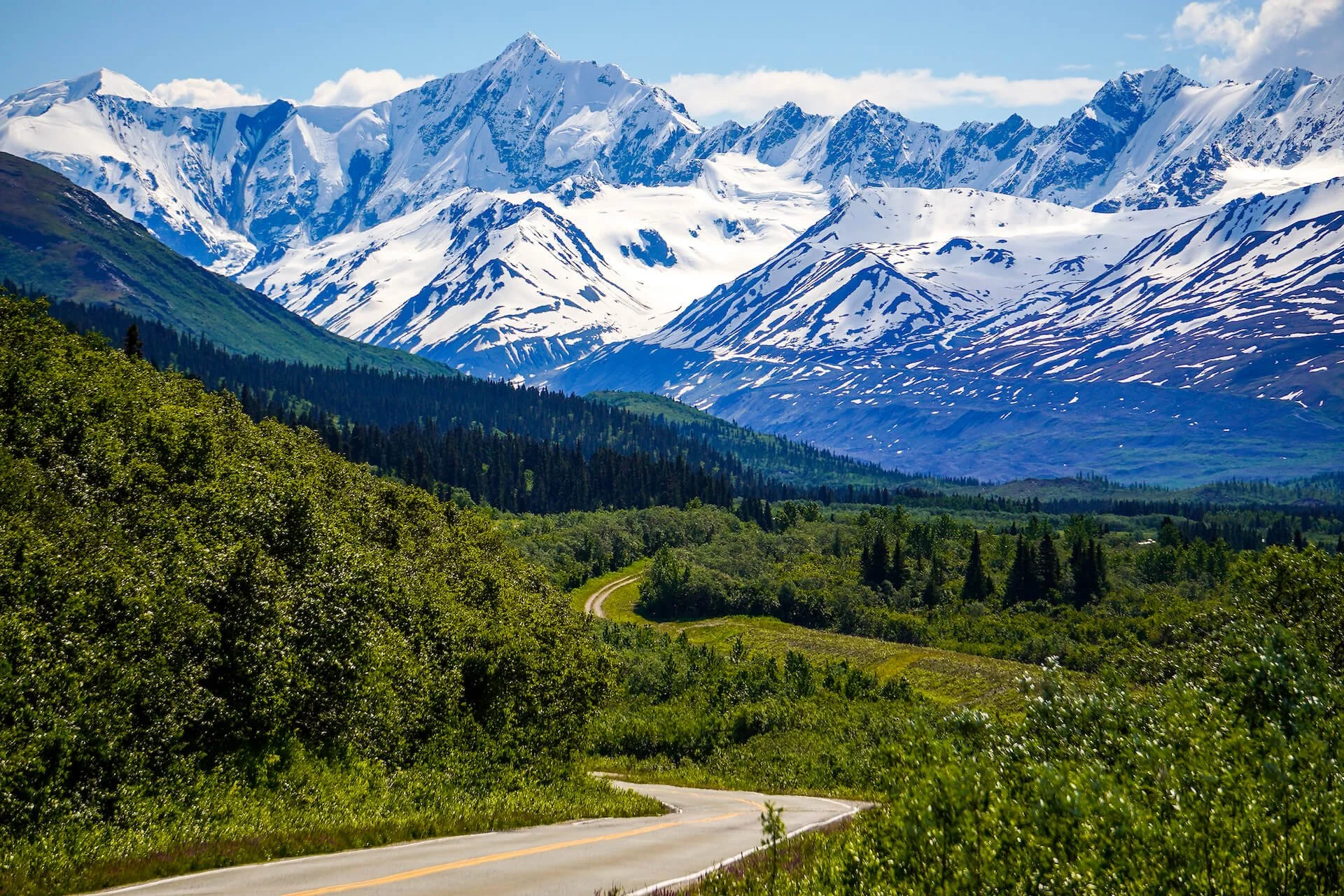
The weather in southeast Alaska does not ask for permission. It arrives. One moment, the spruce trees stand razor-sharp against a slate canvas; the next, a wall of gray vapor rolls off the Pacific, swallowing mountains, fjords, and the line where water ends and sky begins.
For the pilots who fly the floatplanes across this vertical wilderness, this is not just weather. It is an adversary.
Consider what happens when a community learns to hold its breath. In the span of a single week, the geography of grief shifted permanently. First came the jagged fracture of a midair collision near Ketchikan, claiming eight lives, scattering debris across the spruce-lined slopes and leaving families to decode the sudden absence of parents, children, and friends. Before the shockwaves had even begun to settle into a dull, throbbing ache, the radio crackled again. Another plane down. Another four souls swallowed by the dark water.
Twelve lives, extinguished in days.
To look at an airline schedule or a tourism brochure is to see only the romance of the bush plane. We picture the glossy yellow floats skimming glassy water, the emerald crown of the Tongass National Forest slipping beneath a wing, the effortless bridge between isolated outposts and the modern world. But romance is a dangerous lens through which to view survival.
Ask any veteran pilot who has flown the Misty Fjords route about the ceiling. They will tell you about the trap. It is an optical illusion born of mist and shadow, where the horizon dissolves and a pilot can fly straight into a granite wall while staring at open white. They call it flying blind, though it feels more like flying inside a cloud of powdered glass.
The statistics are cold, administrative things. They live in reports filed by the National Transportation Safety Board, cataloging wind shear, visibility minimums, and mechanical stress. But statistics do not capture the weight of a pair of empty wading boots left by the cabin door. They do not measure the hollow silence that settles over a dock when the scheduled afternoon arrival does not cast a ripple across the bay.
We tend to look for a villain in tragedies like these. We want human error, mechanical negligence, or regulatory failure. We want a neat box to put the catastrophe into so we can feel safe booking our summer tickets.
The reality is far more humbling.
The aviation network that stitches coastal Alaska together relies on visual flight rules in a landscape that routinely denies visibility. It is a system built on courage, local knowledge, and an acceptance of risk that most modern travelers cannot fathom. When the fog rolls in thick enough to chew, even the most seasoned bush pilot becomes human, vulnerable to the ancient, unyielding laws of gravity and stone.
Change in these remote skies does not come easily. Every new mandate, every radar station, every mandated satellite tracking device is purchased with wreckage and tears. The families of the fallen do not campaign for vengeance; they campaign for quiet skies, for better weather reporting loops, for a margin of safety that respects the sheer ferocity of the Alaskan wilderness.
Yet, tomorrow morning, the engines will turn over.
Out on the floats, a mechanic will wipe the salt spray from a wing strut. A pilot will zip up a heavy canvas jacket, check the fuel gauges twice, and look out toward the mist-shrouded channel. The mail must go. The doctor must reach the clinic. The traveler must see the glacier.
We forget, sitting in our climate-controlled rooms far to the south, that human progress has always been paved with this kind of stubborn defiance. We throw ourselves against the edges of the map, trusting wings of aluminum and fabric to carry our hopes across the abyss.
Sometimes, the mountain wins. And the water closes over, leaving only ripples, and the enduring echo of a propeller fading into the gray.