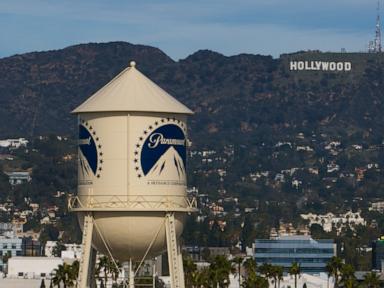
Hollywood just shrank again. When the massive multi-billion-dollar deal finalized, Skydance didn't just buy a studio; it swallowed an entire entertainment empire, fusing Paramount and Warner Bros. Discovery into a single corporate leviathan. You're looking at a completely redrawn media map. Two of the oldest, most storied pillars of American cinema now answer to the exact same leadership team.
If you think this is just another routine corporate transaction, look closer. We are witnessing the frantic consolidation of an industry that spent the last decade bleeding cash on streaming wars. Let's break down what actually happened, why it matters, and where Hollywood goes from here.
The Deal That Almost Didn't Happen
Months of corporate brinkmanship preceded this merger. Rival bids, regulatory threats from antitrust watchdogs, and bitter shareholder battles nearly derailed the whole thing. Netflix poked around, regulators raised eyebrows, and analysts predicted a long, drawn-out regulatory death.
Instead, David Ellison and former Mattel executive Ynon Kreiz pushed through. Backed by heavy financial muscle from firms like Apollo, Bank of America, and Citigroup, the newly formed entity—officially operating under the Skydance banner—secured control over an absurd catalog of intellectual property. We are talking about HBO, DC Studios, CNN, Paramount+, CBS, Cartoon Network, and a century of cinematic history jammed under one roof.
This wasn't built on organic growth. It was built on survival. Linear television is dying a slow, painful death, and streaming profitability has proven far more elusive than Wall Street initially promised. By joining forces, the new behemoth expects to carve out at least $6 billion in run-rate synergies. Translation? Expect massive layoffs, canceled projects, and a leaner, meaner corporate structure that cares more about quarterly balance sheets than artistic risks.
What Happens to Your Favorite Franchises
When corporate giants merge, creative departments take the hit. The new leadership structure has already started naming key executives, putting veterans like Jeremy Latcham in charge of DC Studios while shuffling legacy players across animation and theatrical divisions.
Fans are naturally panicked. When corporate accountants start hunting for billions in savings, expensive, risky original films are usually the first things cut. We're likely heading into an era defined by safe bets. Expect endless sequels, heavily guarded intellectual property, and tighter cross-promotional tie-ins between streaming services like HBO Max and Paramount+.
On the bright side, the tech integration might actually fix the bloated streaming experience. Executives are planning unified bundles, better search architecture, and shared infrastructure that could lower costs for consumers. But don't expect lower prices long-term. Once competition shrinks to just a handful of massive gatekeepers, pricing power shifts entirely back to the studio.
The Streaming Wars Enter Endgame Mode
The golden age of peak streaming is officially dead. Remember when every tech company and studio thought they could launch a standalone app and charge ten bucks a month? That fantasy collapsed under the weight of subscriber fatigue.
By unifying Paramount+ and HBO Max assets into a shared global footprint, Skydance is signaling that survival requires scale. You cannot fight tech giants like Apple and Amazon with fragmented cable-era baggage. You need a massive, unified pipeline that feeds both theatrical windows and living room screens.
Independent creators and mid-budget filmmakers should feel uneasy. Fewer buyers mean fewer places to pitch unorthodox ideas. When two massive studio buyers become one, the greenlight process becomes hyper-conservative. If a script doesn't fit a global four-quadrant box or a pre-existing franchise ecosystem, it's probably not getting made.
Keep an eye on how upcoming theatrical slates perform over the next year. If audiences reject safe franchise retreads, this mega-studio might be forced to rethink its risk aversion. For now, the power in Hollywood belongs to the dealmakers who figured out how to buy their way to the top.


