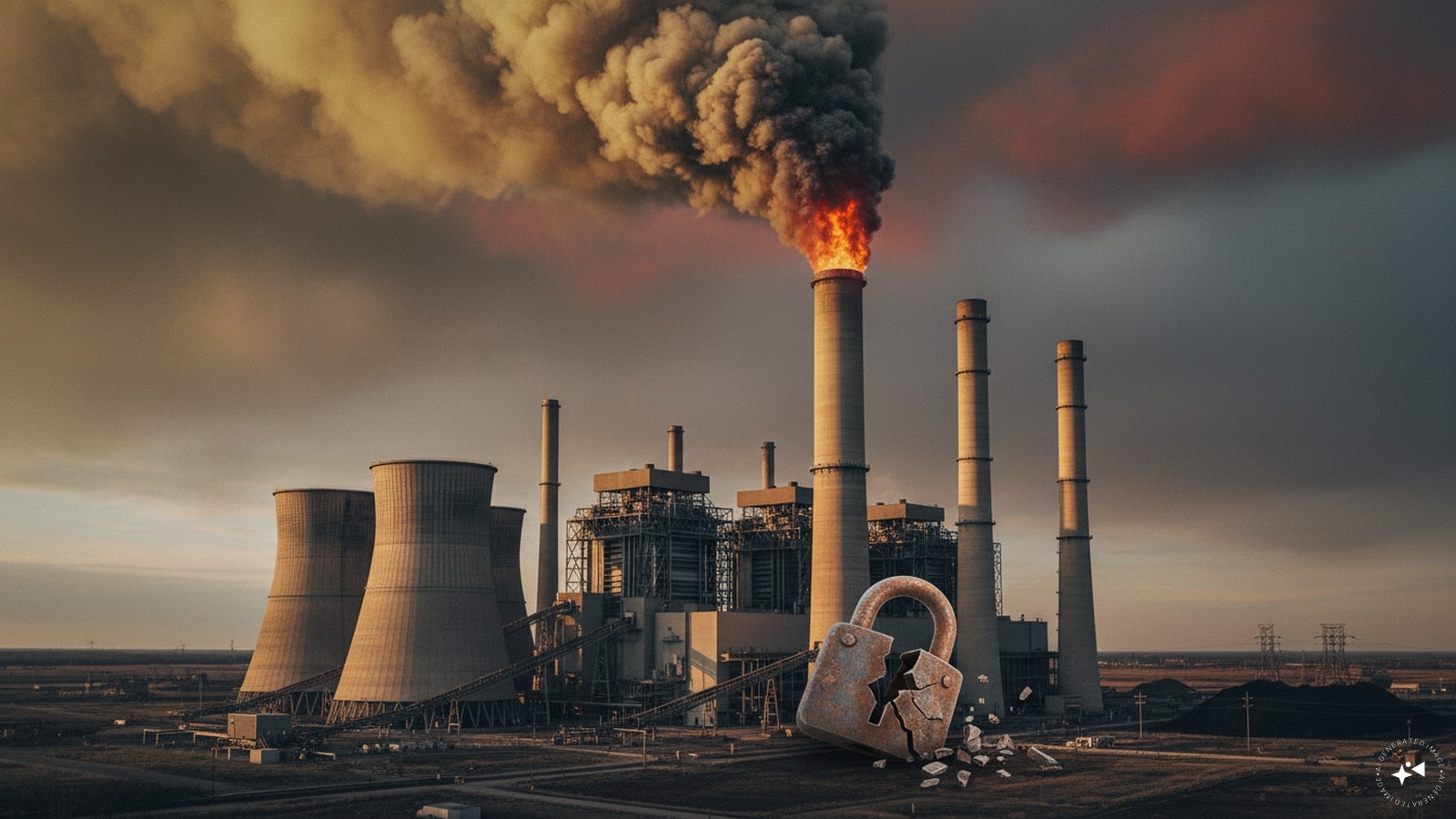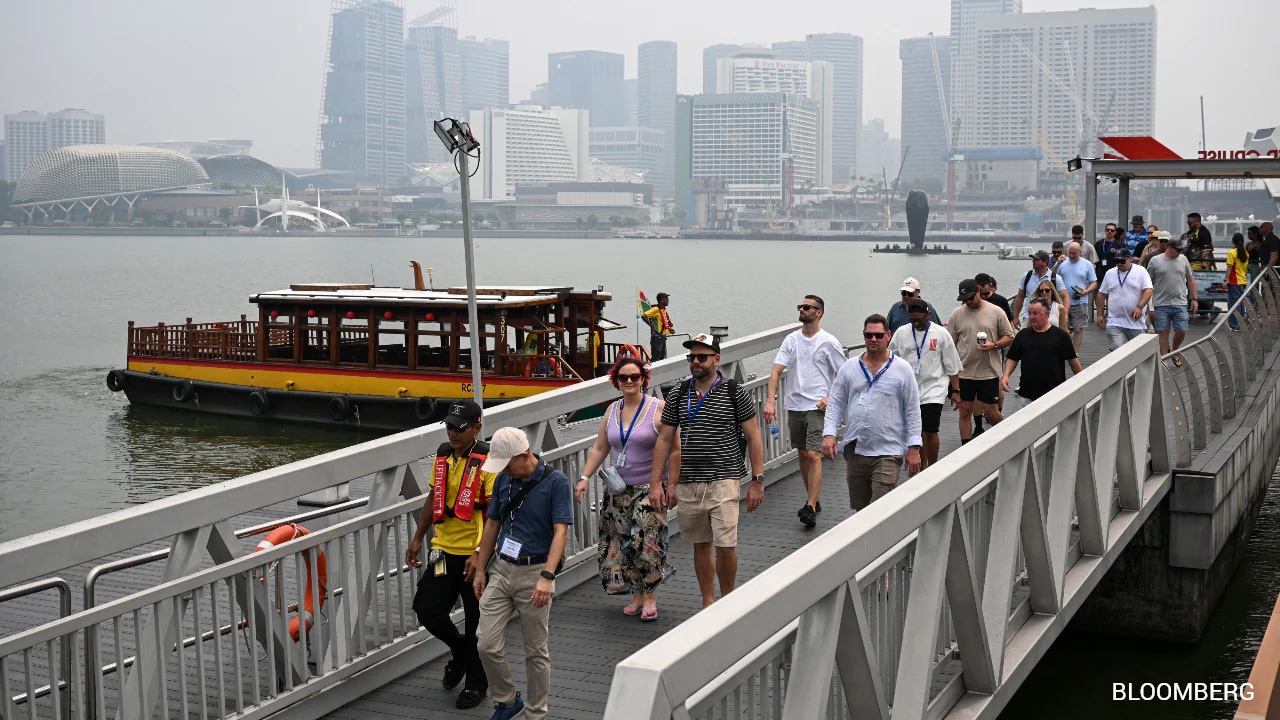
The white line on the air quality monitor does not lie. When the particulate matter numbers spike past hazardous thresholds, the illusion of municipal invulnerability shatters across Singapore. Tourists landing at Changi Airport find their pristine tropical welcome disrupted by an acrid, gray shroud rolling in from the Sumatra straits. This is not a sudden meteorological anomaly. It is the predictable cost of an agricultural model operating unchecked across regional boundaries.
For decades, the standard narrative blamed smallholders using slash-and-burn clearing techniques. That explanation is convenient, paternalistic, and largely obsolete. Industrial plantation corporations hold the leases, drive the capitalization, and reap the profits from palm oil and pulpwood production on peatlands. When these carbon-dense soils are drained and cleared, they become powder kegs. Read more on a similar issue: this related article.
The Anatomy of a Transboundary Crisis
Peat is not ordinary soil. It is an accumulation of partially decayed organic matter spanning millennia, often sitting several meters deep. Under natural conditions, these tropical swamps remain waterlogged and fire-resistant. Commercial conversion requires extensive canal networks to drain the water, lowering the water table and drying out the subterranean carbon layers.
Once drained, peat dries into a spongy fuel that resists ordinary surface firefighting methods. A blaze can smolder underground for weeks, undetectable by satellite surface scans until plumes of toxic smoke breach the canopy. This subsurface combustion releases massive quantities of fine particulate matter, carbon dioxide, and methane into the troposphere. Additional analysis by Associated Press explores similar views on this issue.
Monsoon wind patterns act as the final delivery mechanism. During the southwest monsoon season, prevailing gales sweep across the Malacca Strait, carrying toxic haze directly into urban centers. Singapore and parts of peninsular Malaysia absorb the blow, enduring weeks of restricted visibility and surging respiratory hospital admissions.
Diplomacy has wrestled with this friction for twenty-five years through the ASEAN Agreement on Transboundary Haze Pollution. The framework remains largely toothless. Enforcement mechanisms depend entirely on the sovereign goodwill of member states. When neighboring capitals lack the domestic enforcement capacity or political leverage to confront powerful agribusiness conglomerates, international agreements become expensive exercises in paperwork.
Economics of the Burn
Why do fires persist despite billions spent on prevention? The answer sits in the ledger books of corporate supply chains. Manual land clearing using heavy machinery or chemical treatments requires significant upfront capital expenditure. Controlled burning remains the cheapest method to clear debris and return nutrients to depleted soil for the next planting cycle.
Corporate structures often shield parent companies from direct liability. Concessions are sometimes divided into smallholder plots or held through shell subsidiaries, creating a legal labyrinth that frustrates investigators attempting to trace corporate ownership back to financial centers in Jakarta, Singapore, or Kuala Lumpur.
Financial institutions share the burden of complicity. International banks and regional lenders extend capital to agricultural conglomerates without rigorous environmental vetting. Risk assessment models rarely price in the cost of regional atmospheric toxicity or long-term public health burdens. As long as cheap capital flows into peatland conversion, the economic incentive to burn outweighs the threat of minor administrative fines.
Public health consequences accumulate silently before registering in economic metrics. Fine particulate matter smaller than 2.5 micrometers penetrates deep into human lung tissue and enters the bloodstream. During severe haze episodes, emergency rooms record spikes in asthma exacerbations, cardiovascular events, and acute bronchitis. Vulnerable populations bear the heaviest load, while outdoor laborers face impossible choices between wage survival and toxic exposure.
Dismantling the Smoke Screen
Fixing regional air quality requires abandoning toothless diplomatic declarations and targeting financial flows. Major consumer brands that purchase palm oil and paper products must enforce strict zero-burn, zero-deforestation policies with verifiable supply chain transparency. Satellite monitoring technology has advanced to the point where an illegal fire can be detected within hours and linked to specific concession boundaries.
Governments must lift corporate veil protections to hold ultimate beneficial owners legally and financially accountable for damages caused by land mismanagement. When corporate executives face criminal liability and asset seizure for transboundary pollution, behavior changes quickly.
Singapore’s own legislative experiment, the Transboundary Haze Pollution Act, attempted to prosecute errant companies operating outside its borders if their smoke affected local air quality. Its enforcement limitations highlight the difficulty of extraterritorial jurisdiction. True resolution demands coordinated regional pressure, combining financial sanctions, mandatory supply chain audits, and structural restoration of drained peatlands.
Until the financial architecture supporting industrial peat conversion is dismantled, the haze will return with every dry season. The gray shroud over Marina Bay is a reminder that prosperity in a connected global economy cannot be quarantined from ecological destruction next door.