The sirens in Kyiv do not sound like a warning. They sound like an inheritance.
You learn to read the air long before the shockwave arrives. It begins with the low, subterranean rumble—a mechanical growl that vibrates through the floorboards of old Soviet-era apartment blocks before it ever registers in the ears. For millions, this is the prelude to a grim calculus: do you stay under the blanket and bargain with fate, or do you grab the pre-packed go-bag, the passport, the half-empty bottle of water, and stumble down the concrete stairs into the damp dark of the metro station?
On this particular night, the calculus failed.
Two lives were extinguished in an instant. Among them was a child—a fragile life reduced to a statistic in an overnight briefing, a line item in a casualty report filed by hurried desk officers thousands of miles away. But numbers do not bleed. Statistics do not carry the weight of small shoes left by a doorway or the quiet devastation of a mother who blinked and found her world reduced to ash and rubble.
To understand what happened when the Russian strikes tore through the capital, you have to look past the cold mechanics of cruise missiles and air defense trajectories. You have to look at the living room.
Imagine a room bathed in the amber glow of a single battery-powered lantern because the grid has failed yet again. Outside, the autumn air is sharp, carrying the scent of damp earth and coming frost. Inside, a family is talking in hushed tones about tomorrow. Tomorrow is an abstract concept in a war zone, a luxury few can afford, yet everyone clings to it like a lifeline. A child is drawing something on the back of an old receipt. A mother is pouring lukewarm tea from a thermos.
Then, the sky breaks.
It is a sound that defies language. It is not a thunderclap; thunder has a natural rhythm, an ending. This has no mercy. The glass shatters inward like frozen rain. The walls groan. In less than three seconds, the ordinary, quiet sanctity of a Tuesday night is violently unmade.
When the dust settles, the silence that follows is heavier than the explosion. It is the silence of absence.
We talk about the war in Ukraine through the lens of geopolitics, macroeconomics, and military hardware. We debate Patriot batteries, artillery shell production lines, and grain corridors. These are the tools of survival, necessary and vital. Yet, they abstract the human cost into something sterile. We become accustomed to the ticker tape at the bottom of the news screen scrolling past endless iterations of grief: strikes, casualties, sirens, alerts.
The danger of habituation is profound. When war becomes routine, empathy dulls. The human mind, exhausted by years of continuous crisis, builds a defensive wall against the sheer volume of suffering. We scroll past the images of bombed-out facades. We nod at the death toll and move on to the weather forecast.
Stop scrolling.
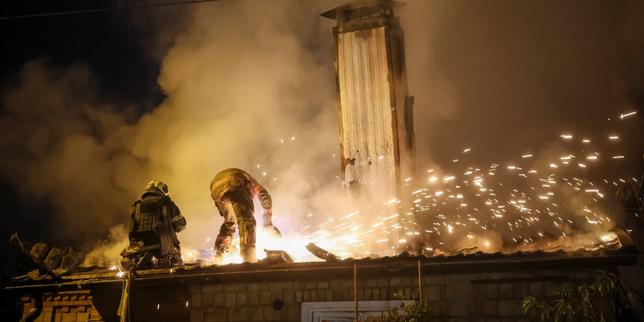
Look at what remains when the smoke clears. In the Podil district, rescue workers sift through jagged chunks of concrete with their bare hands, searching for a pulse in the rubble. These are ordinary firefighters, teachers, and IT professionals who put on helmets and turned toward the fire because turning away is not an option. They are operating on pure adrenaline and a stubborn, defiant refusal to let the darkness win.
This is the hidden cost of aggression. It is not just measured in destroyed transformers or fractured concrete bridges. It is measured in the stolen futures of children who will never grow up to write symphonies, cure diseases, or simply fall in love under the chestnuts of Khreshchatyk. It is measured in the hollowed-out eyes of survivors who realize that their safe haven was nothing more than an illusion drawn on a fragile map.
History will record these months as a crucible. It will analyze the tactical errors, the diplomatic stalemates, and the shifting alliances of superpowers. But history is made of flesh and bone. It is lived by people who were drinking tea, reading bedtime stories, and planning weekend trips just moments before the air turned to fire.
The strikes on Kyiv were designed to break something deeper than brick and mortar. They were engineered to break the spirit. They were meant to send a clear, brutal message that no place is safe, that no bed is secure, that the night belongs to the destroyer.
Yet, as the sun begins to bleed over the Dnieper River, illuminating the scarred rooftops and the shattered windows, something remarkable happens. People emerge from the shelters. They sweep the glass from the sidewalks. They brew fresh tea on camping stoves. They look at each other with eyes that carry the shadow of the night before, but they do not surrender.
The sirens will sound again. The calculus will repeat. But in the quiet spaces between the blasts, a profound truth echoes through the ancient streets of Kyiv: resilience is not the absence of fear. It is the act of stepping back into the light, holding the hand of someone you love, and refusing to let the dark have the last word.