Modern transit optimization treats geography as an obstacle to be minimized. The dominant paradigm assumes that the utility of a transit corridor is inversely proportional to transit time, establishing a linear relationship between velocity and value. This framework breaks down when evaluated through the lens of cognitive recovery and information processing density. Choosing a designated secondary transit corridor over a primary arterial network introduces a deliberate friction coefficient, transforming a mechanical displacement task into a regulated sensory experience.
The Microeconomics of Spatial Deviation
Evaluating route selection requires moving beyond distance-based metrics to analyze the cost function of travel. The primary variables are direct time expenditure, cognitive load variability, and caloric or monetary overhead.
$$\text{Total Trip Cost} = (\text{Time} \times \text{Opportunity Cost}) + \text{Cognitive Fatigue} + \text{Variable Operating Expense}$$
Primary interstates minimize the first term by stripping out topographical friction, traffic controls, and localized routing variance. However, this optimization shifts the burden entirely to the second term. High-velocity corridors require hyper-vigilant directional focus, lane management, and continuous risk assessment against high-density, high-speed traffic flows. This sustains an elevated cortisol baseline throughout the transit window.
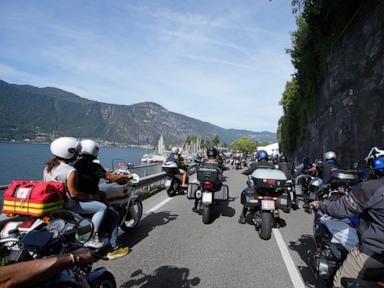
Secondary corridors invert this dynamic. By increasing the time denominator, they systematically reduce cognitive load variance. Topographical interruptions, lower speed limits, and reduced vehicle densities trigger what environmental psychologists categorize as soft fascination. The brain processes visual stimuli without the acute threat-detection protocols demanded by fast-paced interstate driving. The marginal increase in travel time buys a proportional reduction in neurological strain, changing the net yield of the transit event.
The Topography of Intentional Friction
Route deviation operates on structural principles that dictate what information and resources a traveler encounters. Arterial networks are engineered for isolation from their surrounding environments; limited-access exits, acoustic barriers, and standardized interchanges decouple the traveler from local micro-economies.
Secondary networks function as open integration systems.
- Spatial Permeability: Regional and county roads intersect directly with localized commerce, natural topography, and historical markers, exposing the traveler to varied environmental cues.
- Variable Feedback Loops: Changing elevation, shifting vegetative cover, and unpredictable intersection spacing prevent the autopilot cognitive state characteristic of long-distance interstate driving.
- Resource Distribution: Economic activity along secondary corridors relies on decentralized, independent enterprises rather than standardized franchise nodes, altering consumption patterns during transit.
This structural divergence changes the nature of the journey. The interstate treats the traveler as a closed unit moving through empty space. The secondary route treats the traveler as an active participant within a continuous regional matrix.
Operationalizing Route Architecture
Executing a structural shift from velocity maximization to route optimization requires specific boundary conditions. Blindly choosing non-interstate paths without parameter checks leads to logistical bottlenecks, missed fuel windows, and unintended delays.
- Establish Time Thresholds: Calculate the absolute maximum schedule tolerance. If a detour introduces a time penalty exceeding forty percent of the baseline direct route, the cognitive recovery yield diminishes relative to schedule anxiety.
- Audit Infrastructure Density: Cross-reference secondary paths with digital mapping layers to ensure adequate fuel and mechanical support intervals exist. Rural isolation introduces compounding risk if vehicle performance degrades.
- Decouple Destination Schedules: Fixed-window arrivals neutralize the psychological benefits of secondary routing. Spatial optimization requires a buffer zone of at least two hours built into the final waypoint arrival window.
The resistance to this approach stems from ingrained productivity metrics that equate stillness or slower movement with waste. Yet, treating transit solely as dead time ignores the cognitive recovery deficit generated by hyper-optimized environments. Route selection is an operational choice between immediate time preservation and long-term cognitive asset management. The longer path functions as a structural intervention against systemic burnout, providing measurable neurological returns for the marginal investment of time.