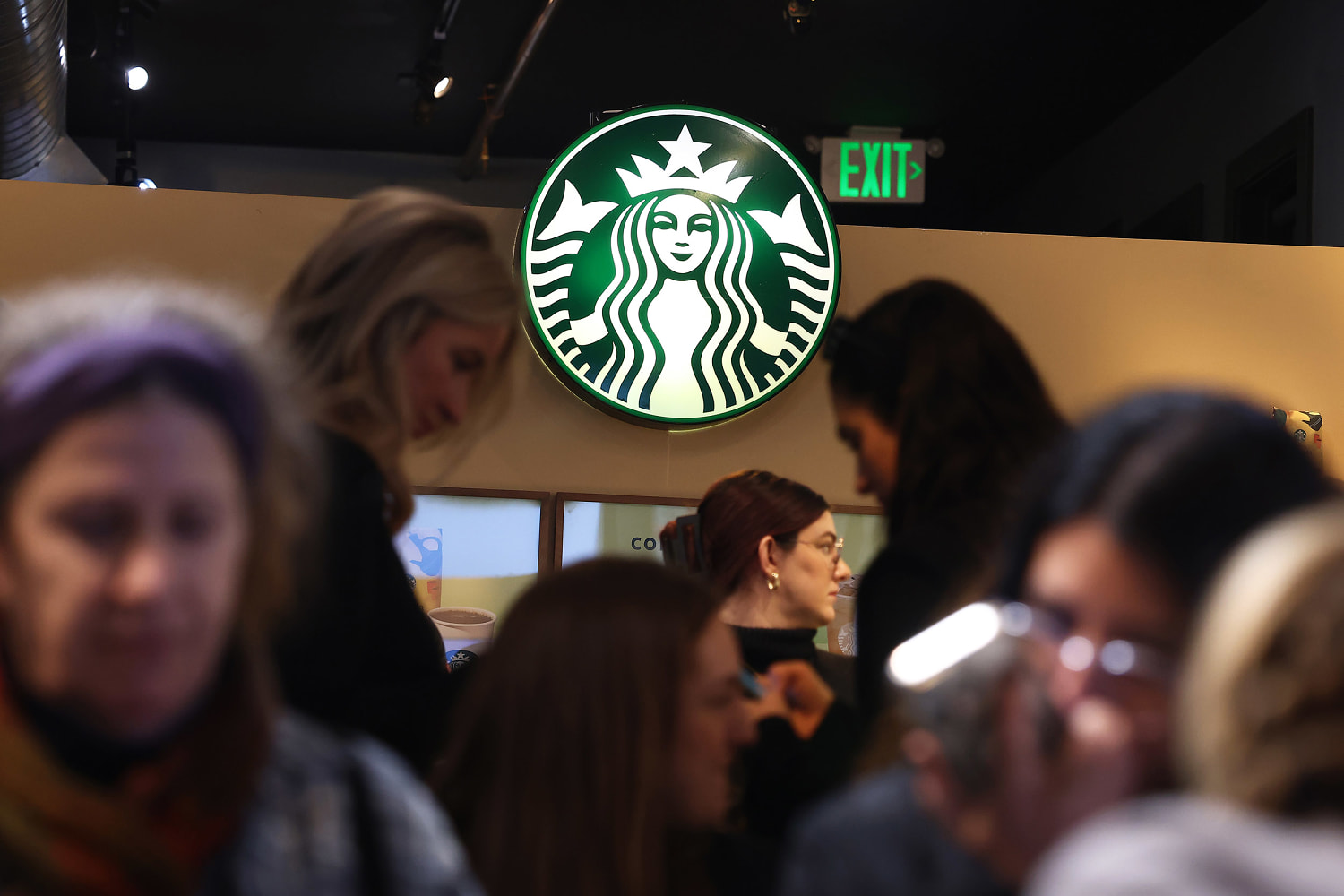
Ordering a sugar-free drink at a major coffee chain feels like a safe bet. You watch the barista pump a clear syrup, you assume your blood sugar is safe, and you go about your day. But a class action lawsuit against Starbucks shatters that comforting illusion completely.
When customers started testing drinks labeled as sugar-free options and found up to 21 grams of sugar hiding inside, it wasn't just a minor mix-up. It exposed a systemic breakdown in how massive food corporations handle allergen tracking, dietary transparency, and basic consumer trust.
If you manage diabetes, follow a strict low-carb protocol, or simply watch your daily intake, trusting a menu board is no longer enough. You need to know how these discrepancies happen and why your morning routine might be sabotaging your goals.
The Reality Behind The Label Claims
Let's look at what actually triggers a lawsuit of this magnitude. When a global brand introduces sugar-free syrups or specialized menu categories, consumers expect rigorous quality control. The recent legal complaints highlight a disturbing gap between marketing promises and cup contents.
Drinks marketed specifically for health-conscious buyers or those managing metabolic conditions contained significant carbohydrate loads. Twenty-one grams of sugar isn't a trace amount. That equates to over five teaspoons of sugar sliding into a beverage meant to contain zero.
For someone managing insulin resistance, that hidden spike can ruin an afternoon. It wrecks your energy levels, causes brain fog, and forces your pancreas to work overtime when you thought you were making a clean choice.
Where The Breakdown Happens
Mistakes in high-volume coffee shops rarely stem from malice. They usually come down to operational chaos during a morning rush.
Think about how a busy cafe operates. Baristas pump syrups at lightning speed. Containers get refilled on the fly. Sometimes, a regular vanilla syrup container gets swapped with a sugar-free pump, or vice versa.
Cross-contamination on equipment also plays a massive role. If a steam wand or mixing pitcher touches regular syrup residue and then gets used for a sugar-free order, the sugar transfers over. While the amount might sound small, it destroys the strict zero-sugar threshold that certain consumers rely on for medical reasons.
Why Calorie And Sugar Transparency Fails
Menu boards give you a false sense of precision. You see calorie counts and nutrition facts listed in fine print or on a mobile app, but those numbers represent laboratory ideals. They assume every pump dispenses the exact milliliter specified and every recipe gets followed to the letter.
Reality looks messy. Human error enters the equation with every single order.
Corporations love to market wellness because it sells at a premium. You pay extra for sugar-free alternatives, plant-based milks, and specialized modifications. Yet, the accountability infrastructure rarely matches the marketing budget. When things go wrong, the burden falls entirely on the consumer to spot the error or suffer the physical consequences.
The Special Risk For Vulnerable Consumers
This isn't just about weight management or fitness goals. Millions of people navigate strict dietary restrictions driven by medical diagnoses like type 1 or type 2 diabetes.
When a menu item carries a specific health claim, it stops being a mere preference. It becomes a matter of health management. Consuming unexpected sugar when you expect zero forces constant vigilance. You start doubting every cafe visit, every packaged snack, and every restaurant meal.
That mental toll exhausts people. You should be able to buy a drink without needing a portable blood glucose meter or a chemical test kit to verify the ingredients.
How To Protect Your Health At The Coffee Shop
You cannot control corporate supply chains or barista training manuals, but you can change how you order. If you need to avoid sugar strictly, you have to adopt a defensive ordering strategy.
Stop relying solely on descriptive menu labels. Ask staff directly if they use dedicated pumps for sugar-free options. Watch them make the drink if you have a clear view of the counter. Notice the color and viscosity of the syrup bottles stationed near the espresso machine.
Regular syrups often have a thicker consistency and a richer amber hue compared to their sugar-free counterparts, which tend to look clearer and thinner.
If you experience unusual physical symptoms after drinking a supposedly sugar-free beverage—like a sudden energy crash or racing heart—trust your body. Your metabolism often catches discrepancies long before a lawsuit makes the news.
Take your business to local independent coffee shops where you can talk directly with the owners or roasters. Smaller establishments often maintain tighter control over their inventory and ingredient sources. They care deeply about customer trust because their livelihood depends on personal relationships rather than global brand inertia.
The Starbucks controversy serves as a sharp wake-up call. Dietary transparency remains an illusion in many commercial kitchens. Until regulations tighten and companies face real financial penalties for mislabeling, you remain your own best advocate. Keep asking questions, scrutinize your orders, and don't assume a corporate label guarantees your safety.