Disaster response in the Himalayas is rarely a matter of calculated precision. When monsoons trigger catastrophic floods and landslides across Nepal, severing vital arteries and swallowing remote villages, standard bureaucratic apparatus moves with agonizing slowness. Days pass in cabinet meetings while survivors cling to rooftops. Into this vacuum of institutional competence step unconventional actors. Civil society groups, diaspora coalitions, and grassroots humanitarian outfits frequently mobilize private aviation assets long before government-dispatched military units clear the paperwork.
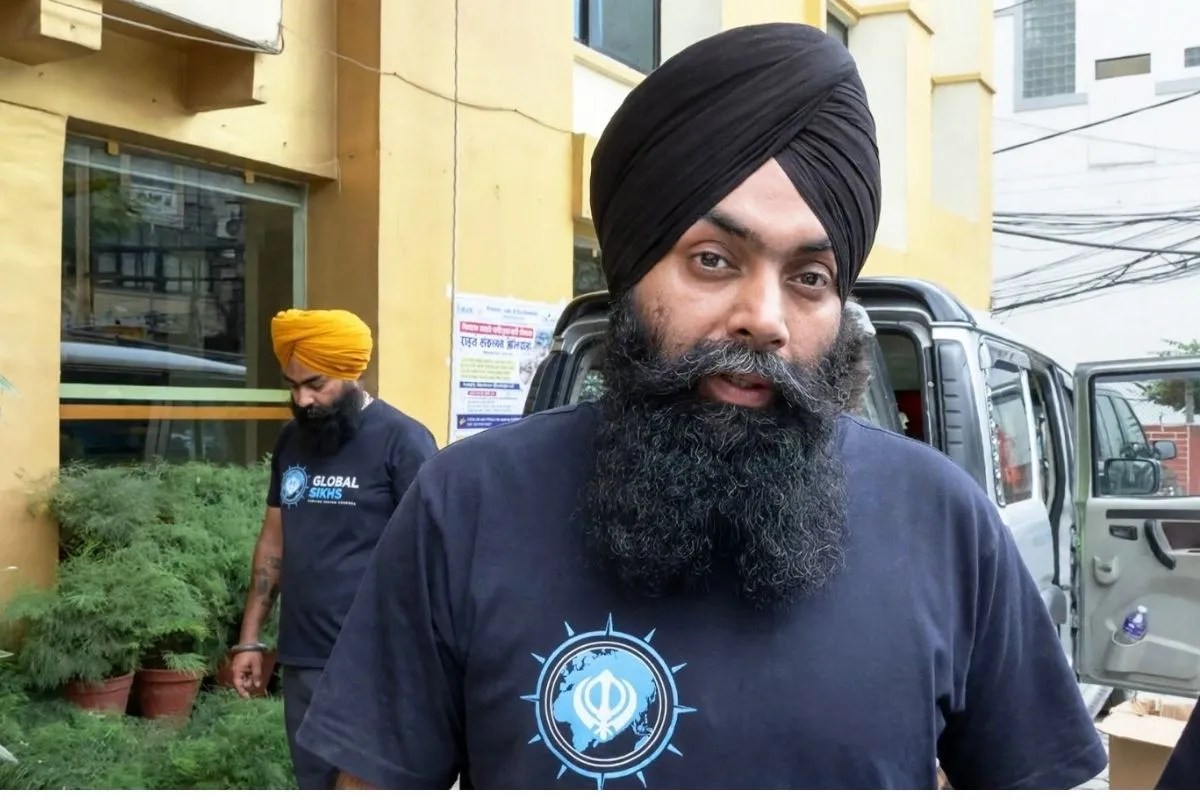
The recent crisis in Nepal laid bare this structural fracture. As frantic families searched for missing loved ones trapped by mudslides and swollen rivers, state-managed rescue operations bogged down under the weight of resource scarcity and coordination failure. Private initiative filled the void. Organizations like the global Sikh humanitarian network stepped forward, deploying chartered helicopters to scour isolated ravages, drop emergency supplies, and extract the injured. This dynamic exposes a recurring truth about modern disaster zones. Official governance units often fail at the exact moment their citizens require them most, forcing civil volunteers to improvise aerial logistics under hostile meteorological conditions.
The Anatomy Of An Air Rescue Vacuum
To understand why helicopters chartered by private organizations become the primary lifeline during major Himalayan disasters, one must examine the baseline limitations of national emergency infrastructure. Nepal possesses a rugged, unforgiving topography. Rugged peaks, unpredictable wind shears, and narrow valleys restrict flight paths. When heavy rains wash out mountain highways, air transport remains the only viable mechanism for extraction and reconnaissance.
State-owned fleets are routinely underfunded and overstretched. A government might possess a handful of operational utility helicopters, but these assets are immediately prioritized for high-ranking officials or strategic military assessments. Local police and district administrators lack independent budgets for emergency aviation fuel or charter fees. By the time bureaucratic authorization filters down through regional command chains, hours bleed into days.
Private and diaspora-funded missions bypass these administrative bottlenecks through direct liquidity and decentralized decision-making. When a coalition like the global Sikh community organizes relief operations, capital flows directly from international donors to local private helicopter operators on the ground. Contracts are signed in hours, not weeks. Aviation fuel is secured independently. Pilots who know the treacherous local microclimates are hired directly, bypassing cumbersome military procurement protocols.
Yet, this reliance on ad-hoc volunteer aviation introduces severe operational risks. Uncoordinated flights clog narrow airspace over disaster zones. Independent groups often lack standardized triage protocols, leading to chaotic landing zones where strong-willed volunteers compete with desperate crowds for precious seats. Safety regulations take a back seat to emotional urgency. While these private sorties save lives, they operate in a regulatory grey area that civil aviation authorities tolerate only out of sheer embarrassment over their own inadequacy.
Logistics Under Fire
Operating rotary-wing aircraft in post-disaster Nepal requires a specific brand of aviation grit. Pilots must navigate vertical terrain where sudden downdrafts can slam an aircraft into a cliff face with zero warning. Visibility drops to near zero as monsoon clouds swallow ridge lines. Weather radar in these remote valleys is primitive at best, meaning pilots fly largely by visual reference, threading canyons where a misjudgment of fifty feet spells disaster.
During the recent search operations for missing persons, volunteer-funded helicopters faced compounded hazards. Landslides remained active, meaning a ravine stable at sunrise could be choked with a fresh wall of mud and boulders by afternoon. Landing zones were non-existent. Pilots frequently had to execute hovering extractions, holding a heavy machine steady inches above churning riverbanks or unstable slopes while ground crews hauled trauma victims aboard.
The human element of these missions complicates the cockpit dynamic. Volunteers flying these aircraft are often emotionally invested in the search for missing relatives or community members. That emotional drive cuts both ways. It provides the relentless tenacity required to push through dangerous weather windows, but it also increases the temptation to take reckless risks. Professional military pilots operate under strict risk-mitigation thresholds that forbid certain missions in zero-visibility conditions. Volunteer-backed pilots, driven by the immediate cries of stranded families below, routinely push past those safety boundaries.
"A helicopter in a disaster zone is not a luxury; it is the entire margin between survival and suffocation. When the state fails to deploy that margin, private hands take the controls."
💡 You might also like: Why Counting Tonnage In Gaza Humanitarian Aid Is A Dangerous Illusion
The Diaspora Pipeline
The financial engine driving these high-risk aerial operations is rarely domestic. Nepal’s fragile economic architecture cannot sustain the millions of dollars required to maintain a fleet of charter helicopters for emergency search and rescue operations. The capital originates abroad, funneled through transnational diaspora networks and religious humanitarian organizations.
Sikh diaspora groups have long mastered this model of rapid, autonomous disaster relief. Operating under the religious mandate of langar (community kitchen) and seva (selfless service), these global networks maintain liquid emergency funds specifically designed for immediate deployment. When a catastrophe strikes in regions where their diaspora maintains commercial or cultural ties, they do not wait for appeals from foreign embassies. They wire funds directly to trusted local intermediaries, securing transport and supply chains within forty-eight hours of the initial event.
This decentralized funding model operates completely outside traditional international aid architecture. Agencies like the United Nations or the Red Cross move through bureaucratic layers of needs assessments, cluster meetings, and multi-lateral funding appeals. Months pass in administrative review while communities starve or succumb to post-flood waterborne diseases. The diaspora pipeline cuts through this friction. It is nimble, opaque, and ruthlessly efficient.
However, this lack of transparency creates friction with host governments. National authorities often view autonomous foreign-funded rescue operations with deep suspicion. Bureaucrats worry about foreign entities operating in sensitive border regions or undercutting state authority. During crises, this tension manifests as sudden bureaucratic hurdles—delayed landing permits, custom holds on imported medical supplies, or demands that all relief funds be channeled through state-controlled accounts. The friction forces volunteer coordinators into a delicate dance of diplomacy, balancing the urgent need to save lives against the fragile egos of regional politicians who despise being shown up by non-state actors.
Beyond The Rotor Wash
Once the immediate rescue phase concludes and the helicopters stop flying, the structural reality of the disaster returns with full force. Finding missing persons in deep alluvial mud is an agonizing, grinding process that aerial sweeps can only partially address. As the monsoon recedes, it leaves behind devastated agricultural lands, destroyed water systems, and displaced populations facing months of homelessness.
The deployment of volunteer-funded aviation is a brilliant tactical band-aid, but it cannot substitute for permanent regional infrastructure. Relying on benevolent outsiders and diaspora coalitions to bail out mountain communities every monsoon season is a recipe for perpetual vulnerability. Nepal needs fortified river management, decentralized local weather-monitoring networks, and a well-funded, independent national disaster response air wing capable of operating in extreme terrain without relying on foreign charity.
Until those structural investments materialize, the skies over the Himalayas during a crisis will remain a patchwork of desperation and improvised heroism. When the next river breaches its banks and the official channels freeze in administrative paralysis, the sound of rotors overhead will not signal the arrival of the state. It will be the private citizens, the diaspora networks, and the relentless volunteers once again spending their own capital to pull the forgotten out of the mud.