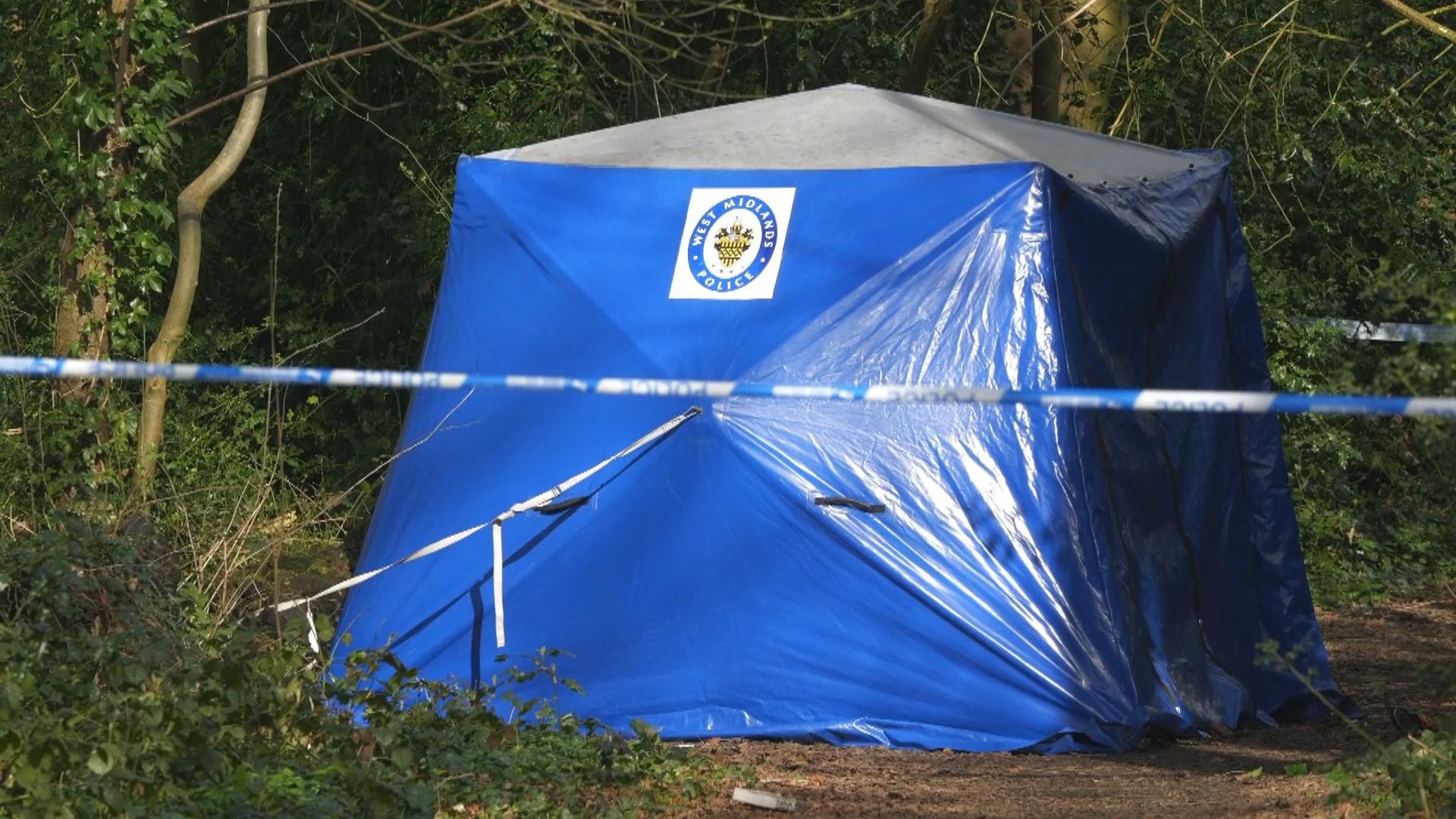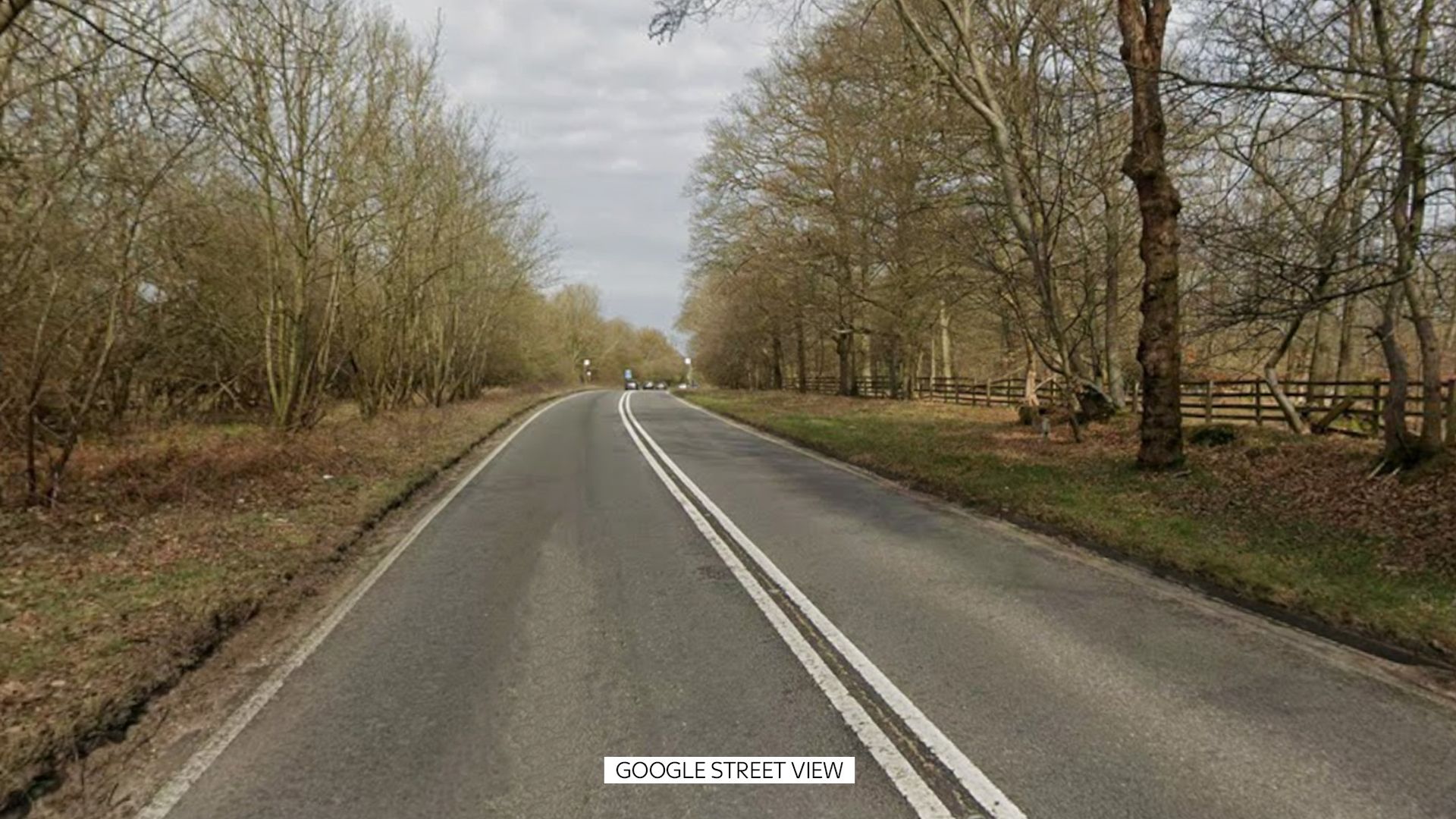
The headlines are predictable. They are written by a template designed to trigger a specific, visceral reaction. A fifteen-year-old girl is dead. A teenage boy is in handcuffs. Three vehicles are mangled on a stretch of asphalt. The media does what it always does: it focuses on the "tragedy," the "loss," and the "recklessness" of youth. It paints a picture of a singular moment of failure—a lapse in judgment by a child who shouldn't have been in control of that much power.
They are looking at the wrong variable.
By focusing on the arrest and the mechanical failure of a "motorbike crash," we ignore the systemic engineering failure that makes these deaths a statistical certainty. We treat road fatalities like freak lightning strikes when they are actually predictable outcomes of a design philosophy that prioritizes flow over life. If you want to stop burying teenagers, you have to stop pretending that "awareness campaigns" and "stricter sentencing" are the solution.
The Myth of the Reckless Individual
Standard reporting leans heavily on the "bad actor" theory. It’s a comfortable lie. If we can blame a nineteen-year-old boy for a crash, we don't have to look at the road design that encouraged his speed. We don't have to look at the vehicle manufacturing standards that allow high-performance machines to be operated by novices.
In the world of safety engineering, there is a concept called the Swiss Cheese Model. For a catastrophe to happen, the holes in multiple layers of defense must align perfectly.
- The Infrastructure layer: Did the road design allow for high speeds in a mixed-use area?
- The Regulatory layer: Why was a teenager on a machine with that power-to-weight ratio?
- The Mechanical layer: Did the vehicle lack automated braking or stability controls found in modern cars?
- The Individual layer: Did the operator make a mistake?
The media only reports on layer four. It's the easiest to prosecute and the cheapest to fix. But individual error is the most volatile and least controllable factor in the entire equation. Designing a system that relies on a fifteen-year-old never making a mistake is not "safety." It is negligence on a civilizational scale.
The Velocity Trap
Physics doesn't care about your "thoughts and prayers." It cares about kinetic energy. The formula for kinetic energy is $E_k = \frac{1}{2}mv^2$.
Notice that the velocity is squared. If you double the speed of a motorbike, you don't double the impact force; you quadruple it. When we build roads that look like runways, people drive like pilots. Most "accidents" involving motorcycles and multiple vehicles occur because the human eye is notoriously bad at judging the approach speed of a narrow object.
The competitor's article mentions a "three-vehicle crash." This is code for a chain reaction. In a high-speed environment, the margin for error is measured in milliseconds. By the time a driver sees a motorbike, the $E_k$ is already too high to dissipate.
We continue to build "Stroads"—those high-speed, multi-lane monstrosities with frequent turn-offs and intersections. They are the most dangerous pieces of infrastructure in the developed world. They provide the speed of a highway with the complexity of a city street. It is a blender for human life. To blame a child for dying in a blender is the height of intellectual dishonesty.
Why We Refuse to Fix the Real Problem
The solution is "Traffic Calming." But mention that to a local council and you’ll be shouted out of the room. People want "safety" until it means their commute takes an extra four minutes. They want "justice" until it means narrowing the lanes on the road they use to get to the grocery store.
We have the technology to geofence speeds. We have the data to identify "black spots" where deaths happen year after year. Yet, we do nothing because the status quo is profitable. High-speed roads sell high-performance vehicles. High-performance vehicles sell insurance.
I have seen city planners ignore "Desire Lines"—the paths people actually take—in favor of rigid grids that prioritize truck turning radii over pedestrian visibility. When a crash happens, those same planners point to the police report and say, "The driver was speeding." They never admit that the road was designed to be sped on.
The Problem with "Motorbike" as a Catch-all
The media uses the term "motorbike" to cover everything from a 50cc moped to a 1000cc superbike. This is intentional. It creates a blurred image of "dangerous machinery."
In reality, there is a massive gap in how we regulate these vehicles. We allow teenagers to operate machines that can hit 60 mph in under four seconds with almost zero physical protection. Then we act surprised when a mistake results in a body bag.
If we were serious about safety, we would mandate:
- Graduated Power Limits: No one under 21 should be on anything more powerful than a lawnmower.
- Mandatory ABS/Traction Control: These are often optional or absent on entry-level bikes.
- Passive Speed Governors: Using GPS to limit top speeds in residential zones.
But we don't. Because the "freedom of the road" is a more powerful marketing tool than "keeping children alive."
The "People Also Ask" Fallacy
People ask: "How can we make motorbikes safer?"
The answer is: You can't. You can only make the environment safer.
People ask: "Should the age for licenses be raised?"
The answer is: It doesn't matter if the age is 15 or 50 if the road is designed to kill you the moment you lose focus.
We are asking the wrong questions because we are afraid of the answers. The answers require us to spend billions on infrastructure and to admit that our car-centric lifestyle is a death cult. It is easier to print a photo of a grieving family and move on to the next story.
Stop Looking for a Villain
The boy arrested in this crash is a convenient villain. He is the "reckless youth." Arresting him provides a sense of closure. It suggests that the problem has been "dealt with."
It hasn't.
That same stretch of road will kill someone else next year. Maybe it will be another teenager. Maybe it will be a father. The variable that won't change is the asphalt. Until we stop treating road deaths as "accidents" and start treating them as "engineering failures," we are just waiting for the next headline.
The blood isn't just on the hands of the driver. It's on the hands of the engineers who designed the road, the politicians who funded it, and the public that demands high speeds at any cost. We are all complicit in the "three-vehicle crash."
The arrest is a distraction. The mourning is a performance. The road is the weapon.
Fix the road or stop pretending you care about the victims.