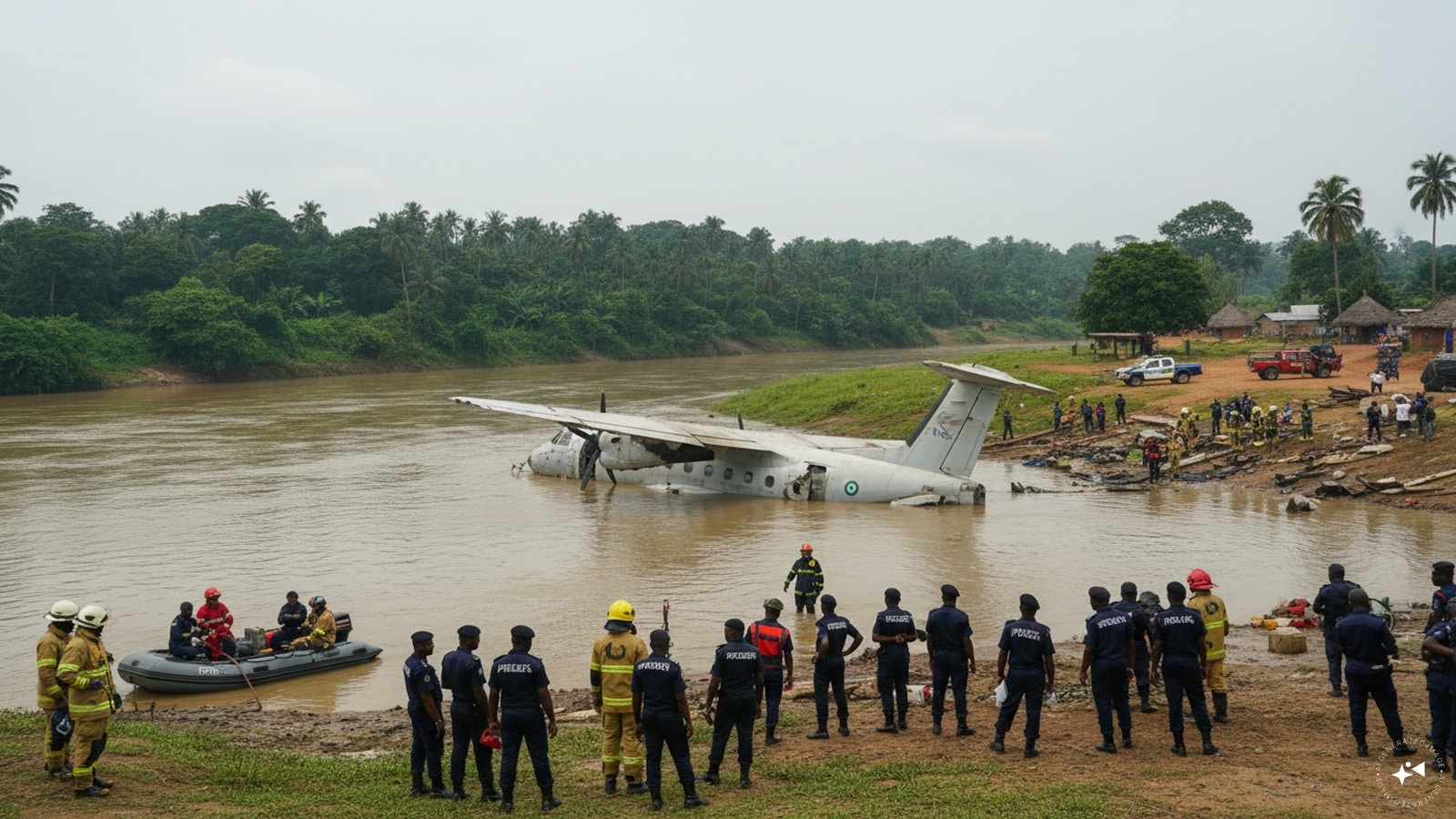
Another military transport goes down. Thirty-two souls on board, swallowed by the swamps of southern Nigeria. The headlines follow a lazy, predictable script. Initial reports point toward pilot error, bad weather, or mechanical failure, offering the public a neat, comforting narrative that wraps a complex tragedy into an easily digestible box.
Every single time a military aircraft drops out of the sky, the defense establishment rolls out the same tired playbook. They point fingers at local anomalies, localized weather phenomena, or sudden maintenance discrepancies. They treat each crash as an isolated anomaly, an unfortunate roll of the dice in a high-stakes profession.
That narrative is a lie.
I have spent decades watching defense procurement programs from the inside. I have seen governments sign off on budget lines that prioritize political optics over foundational safety margins. When a military aircraft carrying dozens of personnel crashes, we are not looking at a freak accident. We are looking at the predictable output of a systemic failure in logistical oversight, fleet aging, and operational desperation.
Let us dismantle the comfortable fiction that this was simply bad weather or a stray mechanical glitch.
Military transport fleets across developing and emerging strategic regions are stretched past their absolute breaking points. Governments buy airframes for the prestige of the procurement announcement, but they starve the infrastructure required to keep those birds airworthy for thirty years. Parts cannibalization becomes standard operating procedure. Maintenance logs get massaged to meet readiness quotas that exist only on paper.
When you fly legacy airframes under punishing tropical conditions without the necessary depot-level maintenance cycles, you are playing Russian roulette with a fully loaded chamber. The weather in southern Nigeria is notoriously unforgiving—sudden squall lines, microbursts, and zero-visibility downpours demand absolute peak performance from both the machine and the flight deck. But when a fleet is operating on deferred maintenance, a routine weather evasion maneuver turns into a death trap.
People ask why these flights continue when safety margins evaporate. The answer is brutal: the ground transport infrastructure is often too compromised or dangerous to use. Moving thirty-two military personnel by road through regions plagued by security threats forces commands into the air, turning military aviation into a high-risk bus service for personnel who have no safer alternative.
We need to stop treating these disasters as acts of God or simple human error. Until defense ministries around the globe start treating logistics and maintenance with the same budgetary aggression they reserve for shiny new acquisition contracts, more transport planes will burn in the brush.
Stop mourning the symptom while ignoring the disease. Demand real transparency on fleet age, parts sourcing, and maintenance backlogs. Anything less is just complicity wrapped in a uniform.