Every single time a typhoon hits the Japanese archipelago and four people tragically lose their lives, the global media reaches for the exact same exhausted vocabulary. Unprecedented. Freak of nature. Once-in-a-century anomaly.
It is lazy journalism at best and structural illiteracy at worst.
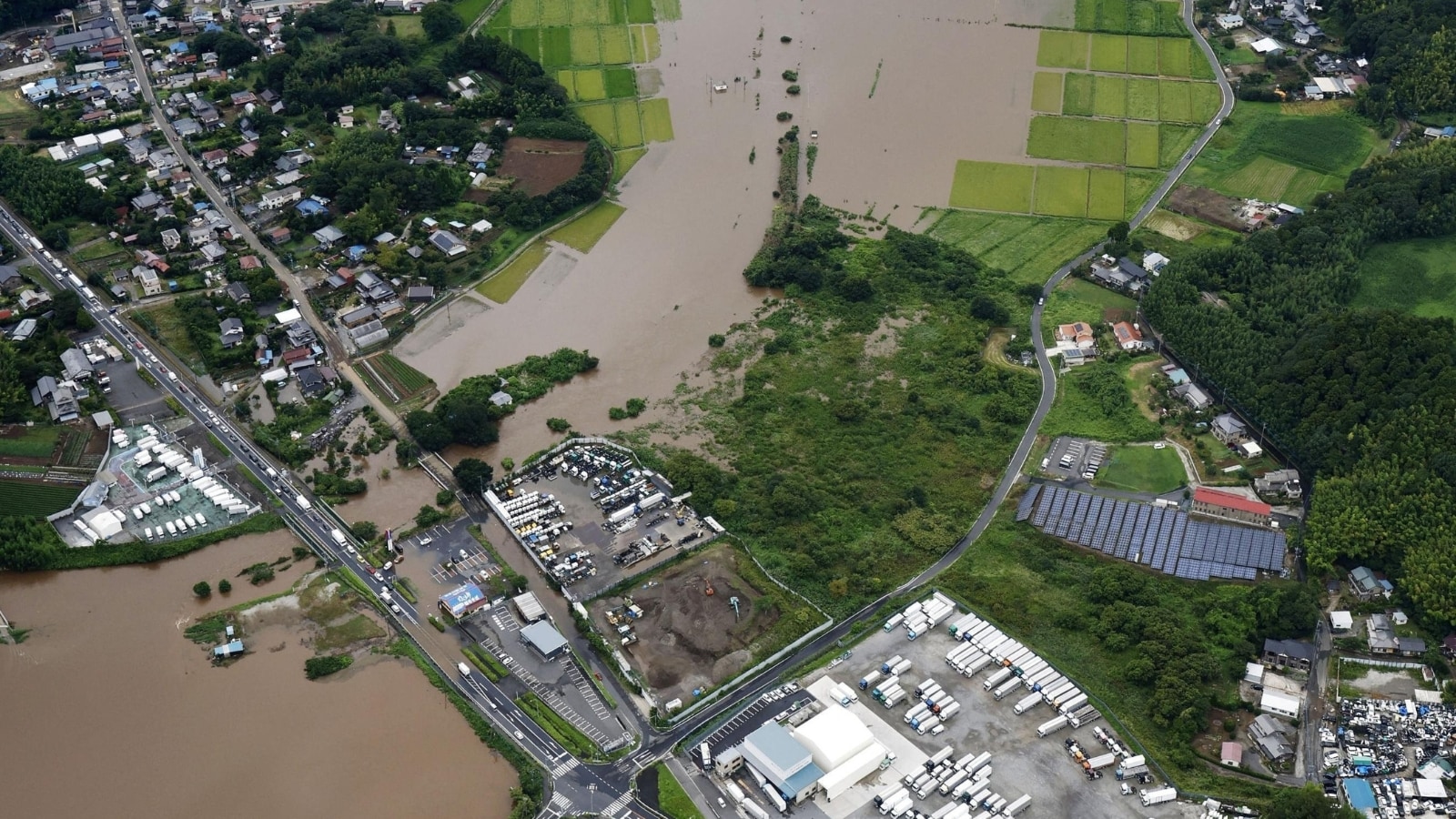
Nothing about water pooling in low-lying basins is unprecedented. What is actually happening is a collision between modern urban density and a centuries-old geographic reality that civic planners chose to ignore for the sake of real estate yields. When we label a predictable meteorological cycle an unprecedented disaster, we absolve every zoning board, civil engineer, and municipal official who signed off on putting concrete over natural floodplains.
Let us dismantle the panic.
The Myth of the Freak Storm
Meteorologists track atmospheric rivers and low-pressure systems with terrifying accuracy. Typhoon season in East Asia is not a surprise party; it is a recurring seasonal calendar. Yet, headlines treat heavy rainfall as if the sky suddenly decided to rewrite the laws of physics.
When a river bursts its banks in Tokyo, Kanagawa, or Shizuoka, the narrative focuses exclusively on the rainfall volume per hour. They tell you it dropped fifty millimeters in sixty minutes. They wave around numbers to create a sense of stochastic terror.
They never tell you about the retention basin deficit.
I have spent the last fifteen years auditing municipal infrastructure resilience across East Asia. I have watched city councils approve massive commercial developments in designated spillway zones because the tax revenue looked too good to pass up. When you pave over permeable soil, turn winding rivers into concrete flumes, and build high-density housing complexes on ancient alluvial fans, you do not get an unprecedented flood. You get hydraulic physics executing a predictable command.
Water always finds its lowest energy state. If you build a city in a bathtub, do not blame the rain for filling it up.
Why the Death Toll Stays Low While the Panic Stays High
Let us look at the casualty figures that trigger these global alerts: four deaths.
Four lives lost is a tragedy for the families involved, and no one should minimize human grief. But from a macroscopic risk-analysis perspective, a country of 125 million people enduring a major tropical cyclone with single-digit casualties is not a catastrophic failure of nature. It is a masterclass in civil preparation.
Japan possesses some of the most sophisticated flood mitigation infrastructure on the planet. Deep underground discharge channels, like the Metropolitan Outer Area Underground Discharge Channel in Saitama, look like subterranean cathedrals designed to swallow millions of tons of overflowing river water.
Yet, the media ignores the triumph of engineering to hyper-focus on the individual failures where human error or localized flash floods bypassed the mega-structures.
Why? Because panic sells advertisements. A headline reading "State-of-the-Art Engineering Saves Millions While Freak Localized Mudslide Kills Four" does not get clicks. "Unprecedented Rains Kill Four" triggers the amygdala.
We have institutionalized an economy of fear that treats standard weather events as apocalyptic incursions. This obsession distorts public policy. When every storm is unprecedented, no one knows how to budget for actual systemic upgrades. You end up spending billions on emergency public relations instead of quiet, unglamorous drainage maintenance.
The Real Estate Trap Nobody Discusses
Here is the dirty secret of Japanese urban development. Prime land is scarce. When your entire country is seventy percent mountainous terrain, flat land near river mouths and coastal plains becomes the ultimate real estate commodity.
Developers know the risks. Homeowners know the risks. Municipalities definitely know the risks.
Yet, the market incentive structure rewards building in harm's way. Insurance schemes and government disaster relief act as an implicit subsidy for risky construction. Imagine a scenario where the government stops bailing out properties built on known floodways and forces full-cost actuarial insurance onto coastal and riparian developers.
Property values in high-risk zones would adjust overnight. Developers would stop paving over natural drainage basins.
Instead, we pretend the flood was a bolt from the blue, a random act of atmospheric violence that nobody could have foreseen. We hand out sandbags, weep for the cameras, and then zone the exact same parcel of land for a new condominium complex six months later.
How to Read a Weather Disaster Without Losing Your Mind
If you want to understand what is actually happening when the news alerts start screaming about Japanese rainfall, follow a different framework. Stop looking at the rainfall total. Look at the land-use permit history of the municipality where the casualties occurred.
- Check the zoning age: Was this area a designated flood retarding basin twenty years ago?
- Track the concrete ratio: What percentage of the local watershed has been sealed under asphalt within the last decade?
- Evaluate the warning lag: Did the local government issue evacuation orders early, or did they wait until water levels breached the seawall to avoid disrupting local commerce?
When you ask these questions, the narrative shifts from passive victimhood to active accountability. The weather is not breaking records. Our tolerance for stupid urban planning is simply setting new lows.
Stop calling it unprecedented. Call it a bill that finally came due.